Start with the pour, not the cup
A cup's size is its capacity filled to the brim. Nobody serves a drink that way. A latte needs room for foam, a lid needs a little headroom so it does not overflow when pressed down, and an iced drink loses a lot of its space to ice. So the useful question is not "what size cup do I want?" but "how much do I pour, and what else goes in the cup?"
A few rules of thumb from cafe counters:
- Leave a gap at the top for hot drinks with a lid, so the drink does not squeeze out through the sip hole.
- Iced drinks need a bigger cup than their hot version. A drink that fills a 12 oz cup hot often goes into a 16 oz cup once ice is added.
- Foam and whipped cream need extra room. A cappuccino takes less liquid than a drip coffee in the same cup.
- Food portions, such as soup, sauce or ice cream, are usually measured by weight or scoop. Fill a sample cup with a real portion to check.
Once you know your pour, choosing a size gets much easier. Pour your standard serving into a measuring jug, note the ounces, then add the space you need on top. The cup that fits that total with a little room to spare is your size, and it is often one step larger than people expect.
Paper cup size chart
Use this as a starting point. Every size can be printed with your logo, and custom sizes are available if your portion sits between two of these.
| Size | Common uses | Who orders it |
|---|
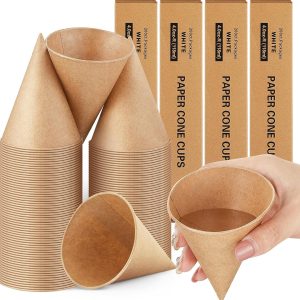
| 2 oz | Samples, espresso shots, sauces | Tasting rooms, grocery demos, food trucks |
| 4 oz | Espresso, cortado, tasting portions, small desserts | Cafes, gelato shops, caterers |
| 6 oz | Small coffee or tea, kids' drinks | Diners, hotels, waiting rooms |
| 7 oz | Water, small cold drinks | Offices, gyms, clinics |
| 8 oz | Small coffee, standard tea | Cafes, bakeries, offices |
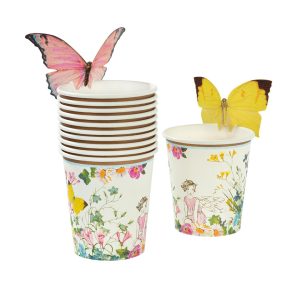
| 9 oz | Water, soda, juice | Parties, events, schools |
| 12 oz | Medium coffee, soft drinks | Most coffee shops |
| 16 oz | Large coffee, iced drinks, soda | Coffee shops, juice bars |
| 20 oz | Extra-large coffee, iced coffee, smoothies | Drive-thrus, smoothie bars |
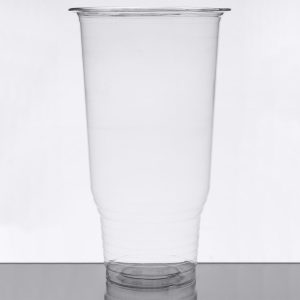
| 32 oz clear | Large cold drinks where the color should show | Stadiums, fairs, fruit drink stands |
Mini, small and large paper cups are also in this collection for buyers who think in names rather than ounces. Ask us for the exact capacity of each before you order. If your menu tops out at a small coffee, our printed 8 oz paper cups are the size most cafes treat as their small.
Coffee shops
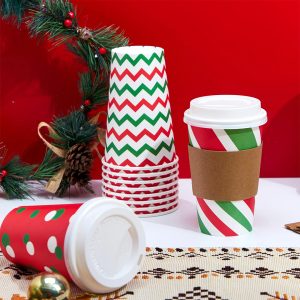
Three sizes cover most coffee menus: 8, 12 and 16 oz. Add 20 oz only if you sell a lot of iced drinks or your customers ask for extra-large. Fewer sizes mean fewer lids to stock and less shelf space. For the large end of a hot menu, our custom 16 oz paper cups are the usual choice.
Juice bars, soda and events
Cold drink menus run bigger. A 9 oz cup suits a party or school event where drinks are refilled; 16 and 20 oz cover a juice bar; and a stadium or fair stand selling lemonade benefits from 32 oz clear cups for large drinks, where the color of the drink does the selling.
Sampling and small portions
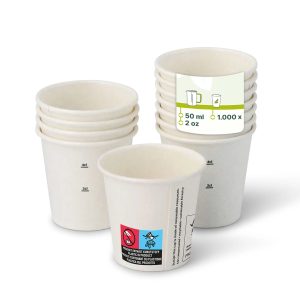
Tasting cups are about volume and visibility. A grocery demo might hand out hundreds of samples in an afternoon, each in a cup that carries the brand name. Our 2 oz paper cups fit sauce portions, espresso and samples alike.
Water stations and offices
For water coolers, clinics and gyms, 6 and 7 oz cups are enough for a drink without waste. Many businesses print a simple logo on these and keep them by the cooler. See drinking and water paper cups for more cups made for this job.
How cup size changes your artwork
Each size has its own template, and the printable area grows and shrinks with the cup. That has a few practical effects:
- On 2 and 4 oz cups the print area is tiny. Use the logo alone and skip taglines, websites or long text.
- On 16 and 20 oz cups there is room for a logo plus a short line, a social handle or a pattern.
- Keep your logo the same visual size across the range rather than scaling it with the cup, so the set looks consistent when cups sit side by side.
- Print brand colors in Pantone (PMS) so a 4 oz espresso cup and a 20 oz iced cup match exactly.
Our free design help covers adapting your artwork to every size you order. Matte, gloss and spot UV finishes work across the range, as do foil accents.
Ordering several sizes at once
- List each drink or portion and the amount you serve.
- Match each one to a cup size, leaving headroom for lids, foam or ice.
- Check lids. Lids fit by rim diameter, so confirm which sizes share a lid.
- Estimate quantities per size from your sales. Most shops sell far more of the middle size than the smallest or largest.
- Send your artwork once; we prepare it for each size.
- Approve proofs. Production takes 4–6 business days after approval, with rush options available.
- Reorder by size, not as a set. Your best-selling size will run out first.
The minimum order is 100 units, volume discounts apply as quantities grow, and shipping is free to the USA, Canada, the UK and Australia. The step-by-step order form on this page lets you pick the size, print and finish and attach your logo when you request a quote.
Size mistakes we see most often
The most common one is ordering too many sizes. A menu with five cup sizes looks generous on paper, but it means five stacks behind the counter, more lids to match and more chances to run out of one size during a rush. Customers rarely miss a size that was never offered.
The second is forgetting about ice. A cafe that switches to an iced menu in summer often finds its hot cups are a size too small once the ice goes in. Plan your summer cold-drink cup as a separate line, not an afterthought.
The third is a jump between sizes that is too small to matter. If your small and medium are only an ounce or two apart, customers struggle to see the difference, and the bigger cup does not feel like better value. Spacing sizes about four ounces apart, as in the 8, 12 and 16 oz lineup, gives each step a clear purpose.
Finally, check the cup against your equipment. Tall cups may not fit under every espresso spout or drink dispenser, and wide cups may not sit in every car cup holder or carrier. A free sample on your own counter answers both questions in a minute.


 Ice Cream Cone Sleeves
 Waffle Cone Sleeves
 Ice Cream Cone Wrappers
 Crepe Cone Packaging
 Sugar Cone Sleeves
 Custom Printed Coffee Sleeves
 Cake Cone Sleeves
 Cardboard Cone Sleeves
 Black Cone Sleeve
 Child Size Waffle Cone Sleeves
 Paper Cone Sleeves
 Small Cone Sleeves
 Eco-Friendly Cone Sleeves
 Aluminum Foil Cone Sleeves
 Two Color Cone Sleeves
 White Cone Sleeve
 Polka Cone Sleeves
 Abstract Cone Sleeves
 Rolled Cone Sleeves
 Chicken Cone Sleeves
 Custom Waffle Trays
 Ice Cream Cone Holder
 Paper Mache Cones
 Custom Bakery Trays
 Custom Cardboard Food Trays
 Custom Dessert Trays
 Custom Hot Dog Trays
 Ice Cream Cone Tray
 Custom Burger Trays
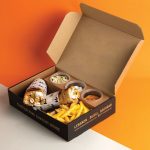 Custom Combo Meal Trays
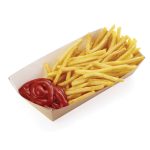 Custom Fries Trays
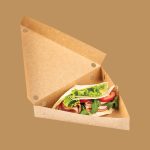 Custom Crepe Trays
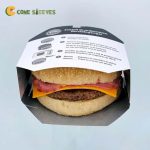 Burger Sleeves
 Custom Burrito Sleeves
 Custom Crepe Sleeves
 Custom Dessert Sleeves
 Custom Donut Sleeves
 Custom Tray And Sleeves
 Food Sleeves
 Chocolate Bar Sleeve Packaging
 Custom Bento Sleeves
 Custom Cupcake Sleeves
 Custom Die-Cut Sleeves
 Custom Hot Dog Sleeves
 Custom Cold Drink Sleeves