Start with the drink, then pick the sleeve
A beverage sleeve has one job that never changes: put a layer of paper between a hand and a cup that is too hot or too wet to hold comfortably. What changes is the drink. A steaming latte, a sweating cold brew and a bottle of tea from the cooler all ask different things of that band of paper, so the first question to answer is what your counter actually sells most.
Look at last month's register report before you look at sleeve styles. If eight out of ten drinks are hot, one coffee sleeve in one size will cover most of your volume. If you run a smoothie bar or a summer kiosk, the cold sleeve is your main order and the hot one is the side order.
Hot coffee and tea
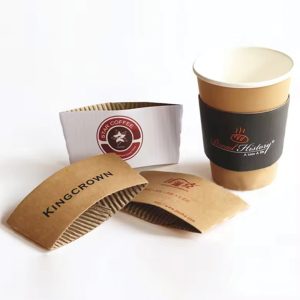
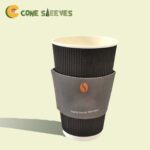
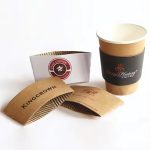
For hot drinks the sleeve is insulation first. A flat paperboard sleeve takes the edge off a single-wall cup, and a fluted or corrugated cardboard sleeve traps air in its ridges and keeps fingers comfortable for the whole walk back to the office. Tea shops often want a slightly different fit because tea cups and mugs-to-go come in shorter, wider shapes, which is why we also make printed sleeves for tea cups as a separate item.
Iced coffee and cold drinks
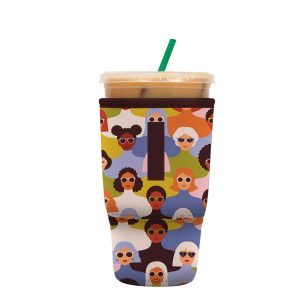
Cold drinks reverse the problem. The cup is not too hot, it is wet. Condensation forms on the outside of a cold cup within minutes on a humid day, and a plain cup gets slippery. Our custom iced coffee sleeves give the hand something dry and textured to grip and soak up some of that moisture before it reaches the customer's sleeve or the car seat.
Cardboard and eco-friendly options
The Custom Cardboard Beverage Sleeves in the grid use corrugated board for extra insulation, which suits roasters who serve very hot pour-overs and drive-thru stands where drinks sit in a hand for a while. If your brand leans on sustainability, the eco-friendly beverage sleeve range uses recyclable and biodegradable stock with soy- or vegetable-based inks, so the sleeve matches the message on your menu board.
Beverage sleeves side by side
Use this table to shortlist. Every style can be printed in CMYK or Pantone colors and made in a custom size for your cup.
| Sleeve | Best for | Typical stock | What to watch |
|---|
| Printed coffee sleeve | Lattes, drip coffee, hot chocolate | Paperboard or kraft | Fit on the cup taper; heat on very full cups |
| Iced coffee sleeve | Cold brew, iced lattes, iced tea | Coated paperboard | Condensation; choose a finish that handles moisture |
| Cold drink sleeve | Smoothies, sodas, lemonade, bubble tea | Coated paperboard or kraft | Taller cups need a taller band |
| Cardboard beverage sleeve | Very hot drinks, long walks, drive-thru | Corrugated cardboard | Thicker, so it takes more room in storage |
| Eco-friendly sleeve | Brands with a green message | Kraft, recyclable or biodegradable board | Uncoated kraft prints colors darker |
Getting the fit right
A sleeve that slides down the cup or splits at the seam is worse than no sleeve. Paper cups are tapered, so a sleeve is really a section of a cone, and the curve has to match your cup's angle as well as its size. Two 12 oz cups from different makers can have different tapers.
The simplest way to get it right is to tell us the cup brand and size you use, or mail us an empty cup. We make the sleeve to that shape. If you are buying cups at the same time, ordering our printed 12 oz paper cups together with the sleeve means the two are made to match from the start. A 12 oz cup is the usual medium coffee in most US cafes, so it is a sensible size to build your first sleeve around.
- Measure the cup where the hand holds it, roughly one third of the way up from the base.
- Tell us every cup size you serve; one sleeve sometimes covers two neighboring sizes on the same cup line, but a sample is the only way to be sure.
- For lidded iced cups, check that the sleeve height leaves room for the straw slot and the logo on the lid to stay visible.
Stock, print and finish choices
White paperboard gives the brightest colors and the cleanest small text. Kraft gives a natural, roastery look but darkens every color printed on it, so a pale blue logo can turn muddy. If you want kraft, plan for bold, darker artwork and test it on a sample before the full run.
Finish matters more on cold sleeves than hot ones. A gloss or matte coating helps the surface shrug off condensation for longer, while uncoated stock feels softer in the hand but will darken when it gets wet. Spot UV can pick out a logo on a matte sleeve, and gold, silver or rose-gold foil works well for holiday drinks or a premium blend. Embossing and debossing add texture you can feel through a glove in January.
If you are comparing suppliers as well as materials, our article with tips for choosing a coffee sleeve supplier lists the questions worth asking before you sign off on a run.
Designing for a band of paper
A sleeve is short and it wraps. Your customer sees about half of it at any moment, and the barista sees the other half. Design with that in mind:
- Put the logo twice, on opposite sides, so one copy always faces out no matter how the sleeve lands on the cup.
- Keep text away from the glued seam and from the top and bottom edges, where the curve and the cutting tolerance live.
- Large shapes and two or three strong colors read from across a room; long taglines do not.
- A QR code works on a sleeve if it is printed large enough and on the flattest part of the band. Link it to a loyalty page or your menu, not your homepage.
- Hot drinks drip. A mid-brown or dark background hides a coffee ring better than pure white.
You can choose the size, stock, print and finish with the step-by-step order form on this page, and our team will check the artwork for free before anything is printed.
Ordering sleeves step by step
- Count your drinks. Pull a week or a month of sales and split it into hot and cold so you know which sleeve carries most of the volume.
- Confirm your cups. Send the cup brand and sizes, or post us an empty cup, so the sleeve is cut to the right taper.
- Choose stock and finish from the table above, keeping cold drinks on a coated surface.
- Send artwork or ask for free design help. We return a digital proof for you to approve.
- Request a free sample if you are trying a new cup or a kraft stock for the first time.
- Approve the proof. Production takes 4 to 6 business days after approval, with rush options if a launch date is close, and shipping is free to the USA, Canada, the UK and Australia.
The minimum order is 100 units and the price per sleeve drops as quantities rise. Most cafes reorder on a calendar: a large hot-sleeve run before fall and a cold-sleeve run in late spring. You can request a free sleeve quote with your cup details and quantities, or call (503) 358-0443.
Where printed sleeves work hardest
Sleeves earn the most where the drink leaves the building. A drive-thru window hands every customer a branded cup at eye level. A coffee cart at a farmers market or a stadium stand gets photographed. Office catering drop-offs put your name on a conference table for a whole morning.
Seasonal sleeves are one of the cheapest ways to change how a shop looks. A pumpkin-colored print in October, a winter design in December and a bright cold-drink sleeve for summer cost far less than new cups. Many shops keep their plain stock cup all year and let the sleeve carry the season. If you would rather print the cup itself, the custom hot paper cups collection covers that route.


 Ice Cream Cone Sleeves
 Waffle Cone Sleeves
 Ice Cream Cone Wrappers
 Crepe Cone Packaging
 Sugar Cone Sleeves
 Custom Printed Coffee Sleeves
 Cake Cone Sleeves
 Cardboard Cone Sleeves
 Black Cone Sleeve
 Child Size Waffle Cone Sleeves
 Paper Cone Sleeves
 Small Cone Sleeves
 Eco-Friendly Cone Sleeves
 Aluminum Foil Cone Sleeves
 Two Color Cone Sleeves
 White Cone Sleeve
 Polka Cone Sleeves
 Abstract Cone Sleeves
 Rolled Cone Sleeves
 Chicken Cone Sleeves
 Custom Waffle Trays
 Ice Cream Cone Holder
 Paper Mache Cones
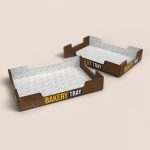 Custom Bakery Trays
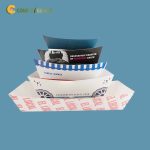 Custom Cardboard Food Trays
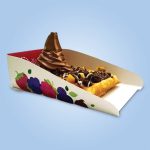 Custom Dessert Trays
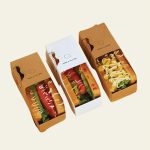 Custom Hot Dog Trays
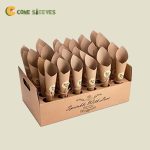 Ice Cream Cone Tray
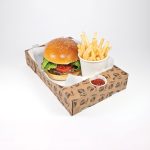 Custom Burger Trays
 Custom Combo Meal Trays
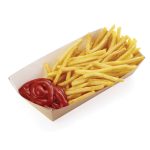 Custom Fries Trays
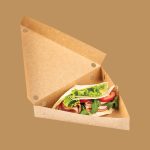 Custom Crepe Trays
 Burger Sleeves
 Custom Burrito Sleeves
 Custom Crepe Sleeves
 Custom Dessert Sleeves
 Custom Donut Sleeves
 Custom Tray And Sleeves
 Food Sleeves
 Chocolate Bar Sleeve Packaging
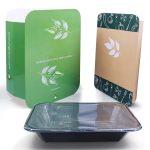 Custom Bento Sleeves
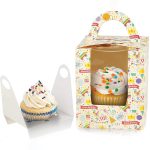 Custom Cupcake Sleeves
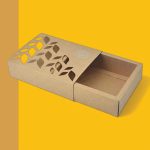 Custom Die-Cut Sleeves
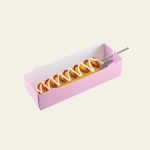 Custom Hot Dog Sleeves
 Custom Cold Drink Sleeves