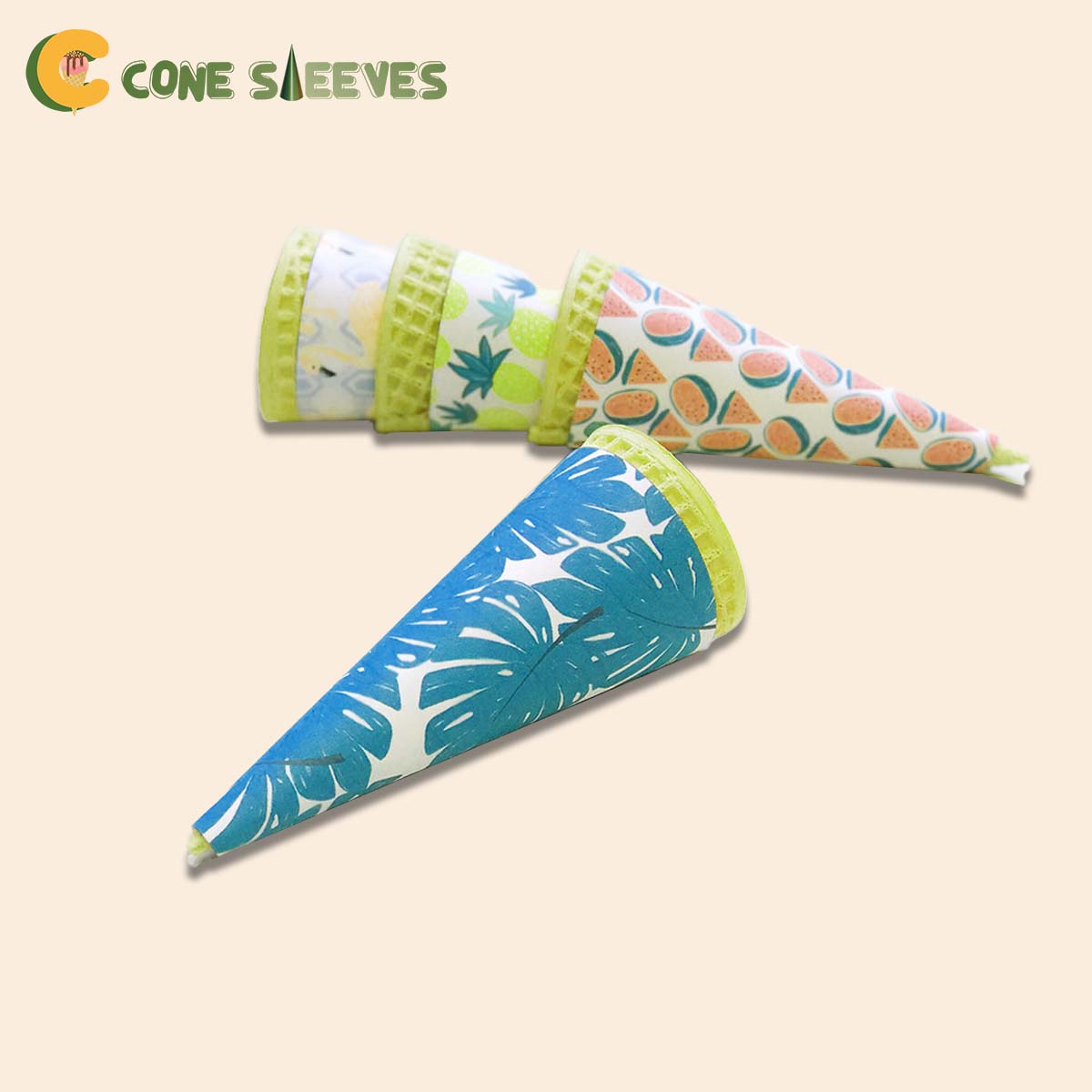
 Ice Cream Cone Sleeves
 Waffle Cone Sleeves
 Ice Cream Cone Wrappers
 Crepe Cone Packaging
 Sugar Cone Sleeves
 Custom Printed Coffee Sleeves
 Cake Cone Sleeves
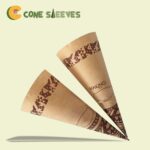 Cardboard Cone Sleeves
 Black Cone Sleeve
 Child Size Waffle Cone Sleeves
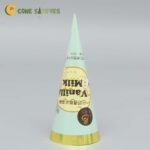 Paper Cone Sleeves
 Small Cone Sleeves
 Eco-Friendly Cone Sleeves
 Aluminum Foil Cone Sleeves
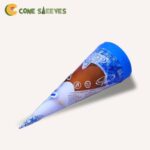 Two Color Cone Sleeves
 White Cone Sleeve
 Polka Cone Sleeves
 Abstract Cone Sleeves
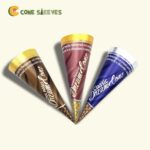 Rolled Cone Sleeves
 Chicken Cone Sleeves
 Custom Waffle Trays
 Ice Cream Cone Holder
 Paper Mache Cones
 Custom Bakery Trays
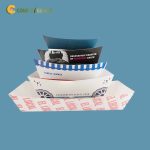 Custom Cardboard Food Trays
 Custom Dessert Trays
 Custom Hot Dog Trays
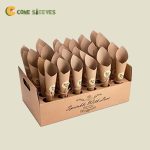 Ice Cream Cone Tray
 Custom Burger Trays
 Custom Combo Meal Trays
 Custom Fries Trays
 Custom Crepe Trays
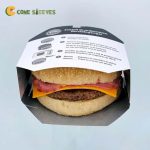 Burger Sleeves
 Custom Burrito Sleeves
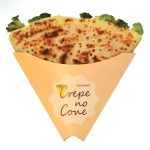 Custom Crepe Sleeves
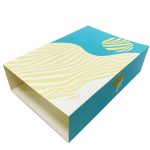 Custom Dessert Sleeves
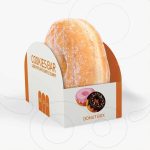 Custom Donut Sleeves
 Custom Tray And Sleeves
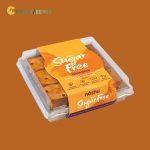 Food Sleeves
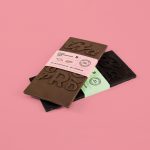 Chocolate Bar Sleeve Packaging
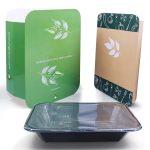 Custom Bento Sleeves
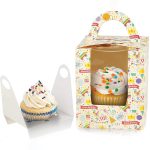 Custom Cupcake Sleeves
 Custom Die-Cut Sleeves
 Custom Hot Dog Sleeves
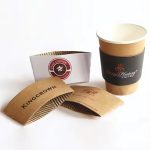 Custom Cold Drink Sleeves
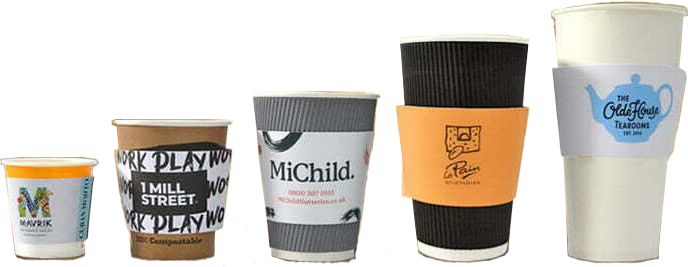
To choose a coffee sleeve manufacturer, check five things: the materials and insulation they offer, how they print and control color, their order minimums and pricing, their proofing and turnaround, and the samples and support you get before you commit.
A sleeve is a small item, but it touches every hot drink you sell. A good supplier makes it look sharp and feel safe in the hand. A poor one leaves you with smudged logos, sleeves that slip off the cup or a reorder that arrives late in your busiest month.
The five tips below work for any supplier. After them, you will find a quick table that shows how Cone Sleeves handles each point, a step-by-step vetting process and a checklist you can print. The full lineup of custom printed cone sleeves from Cone Sleeves starts on our home page.
Tip 1: Check Materials and Insulation
The material decides how well a sleeve blocks heat, how it looks and how it holds up. Ask every manufacturer which stocks they offer and what each one is best for.
Common Sleeve Materials
| Material | Heat protection | Look and feel | Good fit for |
|---|---|---|---|
| Corrugated cardboard | Highest; fluted layer traps air | Textured, sturdy | Very hot drinks, large cups |
| Smooth paperboard | Good | Clean surface for detailed art | Full-color logos and photos |
| Kraft paper or board | Good | Natural brown, rustic | Eco-minded and craft brands |
| Cardstock | Moderate | Thin, light, crisp print | Promotions and warm drinks |
For iced drinks, insulation matters less than grip and condensation. A coated or kraft stock that handles moisture works better there. Our printed iced coffee sleeves are built for that use.
Fit and Sizing
A sleeve that is too loose slides down the cup. One that is too tight is hard for staff to fit during a rush. Many sleeves are cut to cover a range such as 12 to 20 oz cups, while smaller cups often need their own pattern. Send the supplier your actual cups, or their top and bottom diameters and height, and ask for a sample to test.
Tip 2: Compare Printing Methods and Color Control
Your sleeve is a small billboard that travels out the door. The printing method decides how sharp it looks and how close the color is to your brand.
Digital, Offset and Flexo Printing
Digital printing needs no plates, so it suits short runs, test designs and variable data such as numbered or seasonal versions. Offset and flexographic printing use plates. They cost more to set up but usually lower the price per sleeve on long runs, and they hold color well across large orders.
If you searched for digitally printed coffee sleeves, the main question is quality at your run size. Modern digital presses print crisp logos and photos. Ask to see a printed sample on the same stock you plan to order, since paper texture changes how any print looks.
CMYK vs Pantone
CMYK builds colors from four inks and is ideal for photos and gradients. Pantone (PMS) uses premixed inks to hit an exact brand color. If your logo has a signature color, ask whether the manufacturer can match it with PMS and how they check it on press.
Finishes
Finishes add polish and grip. Matte coatings feel soft and cut glare. Gloss makes colors pop. Spot UV adds a shiny highlight to one area, such as your logo. Foil and embossing suit gift and holiday sleeves. Each finish adds cost, so use them where they make the biggest difference.

Tip 3: Match Order Minimums and Pricing to Your Volume
Minimum order quantities vary widely. A single cafe does not need the same run size as a chain, and paying for sleeves you cannot store is waste.
Work Out Your Real Usage
Count how many hot drinks you sell in a typical week, then multiply by the weeks you want one order to last. Add a buffer for busy seasons. This number tells you whether a supplier’s minimum fits you and how often you will reorder.
What Drives the Price
- Quantity: larger runs spread setup costs over more sleeves.
- Material: corrugated and thicker boards cost more than thin cardstock.
- Colors and method: full color, PMS matches and plate setup all affect cost.
- Finishes: coatings, foil and embossing each add a step.
- Custom die lines: a new sleeve shape may need a new cutting die.
- Shipping: freight on bulky cartons can change the total a lot.
The cheapest quote does not guarantee the best value. A sleeve that tears, smudges or slips costs you more in waste and in how customers see your drinks. Compare quotes on the same specs so you are judging like with like.
Tip 4: Confirm Proofing, Turnaround and Shipping
Late sleeves mean plain cups during a launch or a holiday promotion. Ask each supplier three questions before you order.
- Proofs: Will you get a digital proof showing exact placement on the die line? Can you request a physical sample?
- Turnaround: How many business days does production take after you approve the proof? Is there a rush option?
- Shipping: What does delivery cost to your location, and how long does it take?
Get these answers in writing. No supplier can guarantee a date if you sit on the proof, so plan your own review time too. Build at least a week of buffer before any seasonal launch.
Tip 5: Test Samples and Support Before You Commit
A sample tells you more than any product page. Fit it on your own cups, fill them with your hottest drink and hold them for a few minutes. Check that the print does not rub off and the seam holds.
Support matters just as much. Notice how fast the supplier answers, whether they catch problems in your artwork and whether they explain options in plain words. Read reviews from other food businesses and ask for references if you are placing a large order.
Finally, ask about sustainability if it matters to your brand. Look for recyclable stock, soy- or vegetable-based inks and clear, honest claims. Our eco-friendly beverage sleeves are one example of that approach.
How Cone Sleeves Handles Each Tip
Here is how our own service lines up with the five tips, so you can compare it with other quotes.
| Tip | What to ask | Cone Sleeves |
|---|---|---|
| 1. Materials | Which stocks fit hot and iced drinks? | Paper, cardstock, kraft, paperboard and corrugated cardboard; custom sizes |
| 2. Printing | Can you match my brand color? | CMYK and PMS (Pantone); gloss, matte and spot UV; embossing, debossing and foiling |
| 3. Minimums | What is the smallest order? | 100 units minimum, with volume discounts |
| 4. Turnaround | How fast after proof approval? | 4–6 business days, rush options; free shipping to the USA, Canada, UK and Australia |
| 5. Samples and support | Can I test before I buy? | Free samples, prototyping and free design services |
Every sleeve uses FDA-compliant food-contact materials, and we offer recyclable and biodegradable options with soy- and vegetable-based inks. You can see standard styles on our printed coffee sleeve product page.
How to Vet a Coffee Sleeve Manufacturer
Use this process to compare two or three suppliers side by side.
- Write a spec sheet. List cup sizes, material, colors, finish and quantity so every quote is based on the same details.
- Request quotes. Send the same spec sheet to each supplier and note what each one includes.
- Ask for samples. Get a sample on the stock you plan to use, ideally printed.
- Test in service. Fit samples on your cups and use them during a real shift.
- Review the proof. Check spelling, color, logo size and placement on the die line.
- Confirm dates. Get production time and shipping time in writing.
- Start with a smaller run. Order a modest quantity first, then scale up once quality is proven.
Coffee Sleeve Supplier Checklist
- Offers the material you need for hot or iced drinks
- Fits your exact cup sizes, with a test sample
- Prints in CMYK and can match your Pantone color
- Shows printed samples on the stock you will order
- Has a minimum order that fits your weekly usage
- Sends a clear digital proof before production
- States turnaround in business days after proof approval
- Gives shipping costs and delivery times up front
- Uses FDA-compliant food-contact materials
- Offers recyclable stock and honest eco claims
- Answers questions quickly and in plain language
If you want to know where the coffee sleeve came from in the first place, read who invented the coffee cup sleeve.
FAQs
What does a coffee sleeve manufacturer do?
A coffee sleeve manufacturer prints, cuts and glues the paper bands that wrap around hot and cold cups. Most also help with sizing and artwork. Many supply blank sleeves as well as custom printed ones.
Are digitally printed coffee sleeves good quality?
Yes. Digital printing produces sharp logos and photos and suits short runs and frequent design changes. For very large runs, plate-based printing can cost less per sleeve. Always judge quality from a printed sample on your chosen stock.
What is the minimum order for custom coffee sleeves?
It depends on the supplier and the printing method. At Cone Sleeves, the minimum order is 100 units, with volume discounts on larger runs. That lets small cafes test a design before ordering more.
Are coffee sleeves recyclable?
Most paper and cardboard sleeves are recyclable when they are clean and dry. Ask your supplier which stocks and inks they use. Recyclable stock and soy- or vegetable-based inks make the sleeve easier to recycle.
Ready to compare? Send us your cup sizes, quantity and artwork, and our team will reply with options, a free design layout and a sample if you want one. Get a free coffee sleeve quote today.
Questions to Ask Before You Pick a Sleeve Supplier
Should I buy from a sleeve manufacturer or a distributor?
A manufacturer prints the sleeves itself, so you can ask direct questions about stock, color and timing. A distributor resells from several makers and may carry blank sleeves in stock for fast delivery. For custom printing, talking to the people who run the press usually means fewer mix-ups on the proof.
Do I need to buy cups and sleeves from the same company?
No, but it helps. A supplier who prints both can size the sleeve to the exact cup and match the colors across the two. If you already have a cup you like, send a sample so the sleeve fits it. To brand both together, look at our printed kraft coffee cups.
How many supplier quotes should I compare?
Two or three is enough. Send each one the same spec: cup sizes, material, colors, finish and quantity. More quotes than that rarely changes the decision and slows you down. Look at the full cost, including setup and shipping, and at how clearly each supplier answered your questions.
Is a local supplier better than one that ships nationwide?
Local can be handy for a quick visit or a pickup, but it is not a quality guarantee. A national supplier with fast production and free shipping can deliver in a similar time. What matters more is print quality on a sample, clear turnaround in business days and how easy they are to reach.
What should I ask about reorders before I commit?
Ask whether they keep your approved file on record, how they keep PMS colors consistent between runs and how quickly a repeat order ships. Reorders are where many suppliers slip. A good one can reprint from the same proof without you sending artwork again.
How do I check whether a supplier's eco claims hold up?
Ask exactly which stock and which inks your sleeve will use, and what disposal wording you can print on it. A good supplier tells you what is recyclable or biodegradable and what depends on local programs. Be wary of a supplier who promises compostable everything without naming the material.
Can one supplier handle sleeves for coffee, tea and cold drinks?
Yes, if they offer custom sizes and more than one stock. Hot coffee wants insulation, tea cups are often a different shape, and cold drinks need grip against condensation. Keeping one supplier means one brand file for all three. Our printed tea cup sleeves sit alongside the coffee range.
Can a sleeve supplier help if I only have a rough logo?
A good one should. At Cone Sleeves, design help is free, so the team can clean up a sketch or a low-resolution file and lay it out on the sleeve template. You approve the proof before anything prints. Ask any supplier upfront whether design help costs extra.
Do coffee sleeve makers also print cup carriers?
Many do, and it is worth asking, since a carrier holds two to four branded drinks on the way to an office. Ordering both from one place keeps the colors matched. We print paper coffee cup holders alongside sleeves.
Should a multi-store coffee chain use one sleeve supplier or several?
One main supplier keeps colors, stock and sizes consistent across stores, which is the point of branding. Some chains keep a second supplier approved as a backup for emergencies. If you do, give both the same spec sheet and color codes, and compare a sample from each before you need it.