 Ice Cream Cone Sleeves
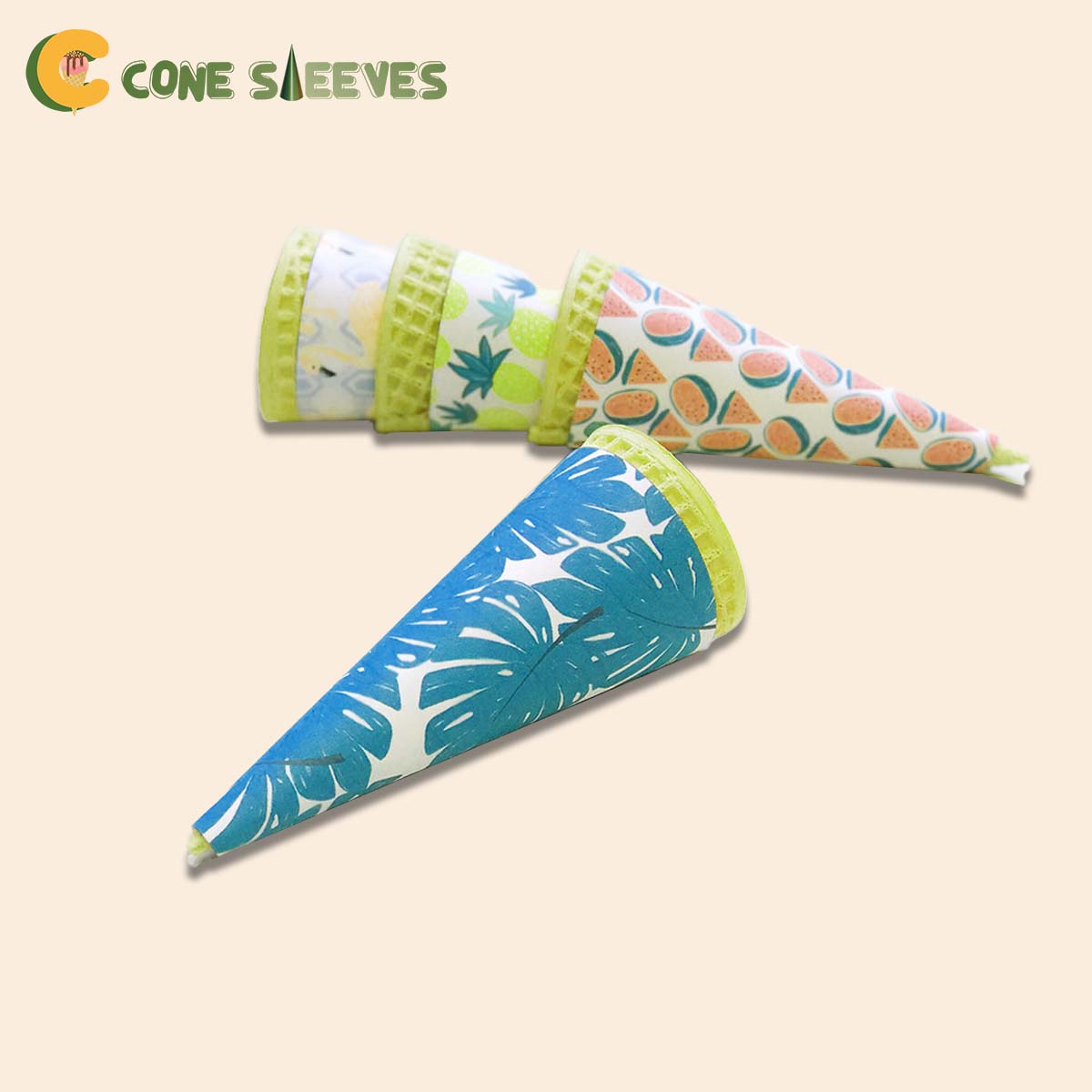
 Waffle Cone Sleeves
 Ice Cream Cone Wrappers
 Crepe Cone Packaging
 Sugar Cone Sleeves
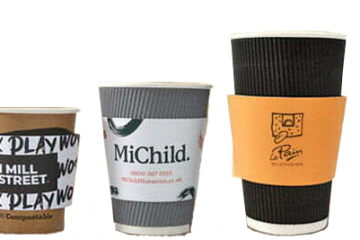
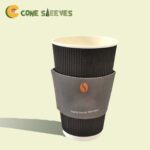 Custom Printed Coffee Sleeves
 Cake Cone Sleeves
 Cardboard Cone Sleeves
 Black Cone Sleeve
 Child Size Waffle Cone Sleeves
 Paper Cone Sleeves
 Small Cone Sleeves
 Eco-Friendly Cone Sleeves
 Aluminum Foil Cone Sleeves
 Two Color Cone Sleeves
 White Cone Sleeve
 Polka Cone Sleeves
 Abstract Cone Sleeves
 Rolled Cone Sleeves
 Chicken Cone Sleeves
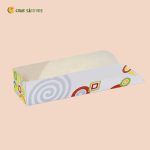 Custom Waffle Trays
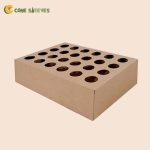 Ice Cream Cone Holder
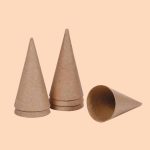 Paper Mache Cones
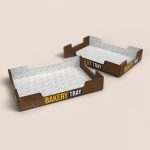 Custom Bakery Trays
 Custom Cardboard Food Trays
 Custom Dessert Trays
 Custom Hot Dog Trays
 Ice Cream Cone Tray
 Custom Burger Trays
 Custom Combo Meal Trays
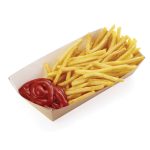 Custom Fries Trays
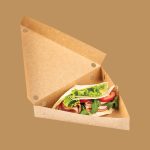 Custom Crepe Trays
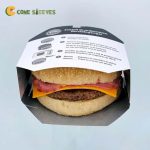 Burger Sleeves
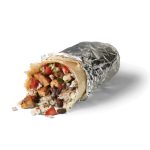 Custom Burrito Sleeves
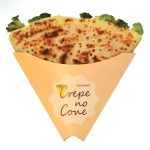 Custom Crepe Sleeves
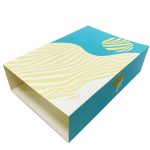 Custom Dessert Sleeves
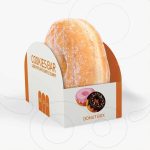 Custom Donut Sleeves
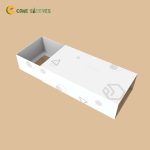 Custom Tray And Sleeves
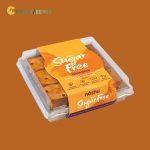 Food Sleeves
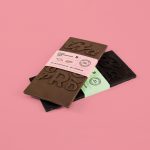 Chocolate Bar Sleeve Packaging
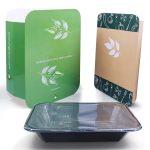 Custom Bento Sleeves
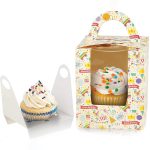 Custom Cupcake Sleeves
 Custom Die-Cut Sleeves
 Custom Hot Dog Sleeves
 Custom Cold Drink Sleeves

Jay Sorensen, a businessman from Portland, Oregon, is credited with inventing the coffee sleeve. He had the idea in 1989, after a hot drive-thru coffee burned his fingers. He finished the design in 1991 and sold it as the Java Jacket.
He received U.S. Patent 5,425,497 for the sleeve on June 20, 1995. So whether you call it a coffee sleeve, a coffee collar or a cup jacket, the inventor is the same man.
This guide covers how the idea started, how the patents played out, what the sleeve is called in different places, and what that history means if you print sleeves for your own café today. If you are comparing suppliers, start with what Cone Sleeves makes and prints.
The Short Answer: Jay Sorensen and the Java Jacket
Here are the key facts in one place. Each date below is well documented in published accounts of the invention.
| Question | Answer |
|---|---|
| Who invented the coffee sleeve? | Jay Sorensen |
| Where? | Portland, Oregon |
| When did the idea come? | 1989, after a coffee spill on the school run |
| When was it designed? | 1991 |
| Original name | Java Jacket |
| Company founded | 1993, by Jay and his wife, Colleen |
| Patent | U.S. Patent 5,425,497, issued June 20, 1995 |
| Big break | The Coffeefest trade show in Seattle, 1995 |
| Museum recognition | A 1993 Java Jacket is in the collection of the Museum of Modern Art (MoMA) in New York |
How the Coffee Sleeve Was Invented
The 1989 spill
In 1989, Sorensen was driving his daughter to school with a coffee from a drive-thru window. The paper cup was too hot to hold. He burned his fingers and spilled coffee in his lap.
Plenty of people had the same problem. The usual fix was to stack a second cup around the first, which wasted a cup and still felt hot. Sorensen decided there had to be a better way.
First try: a better cup
His first idea was an insulated cup that could replace standard paper and foam cups. It did not work as a business. The cups were bulky to pack and ship, and coffee shops had no reason to pay more for every cup.
He also noticed that many drinks did not need extra protection at all. Iced drinks and milky lattes are not hot enough to burn. Only the hottest drinks needed help, so a fix for every cup made no sense.
The 1991 design
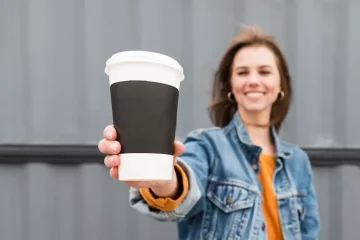
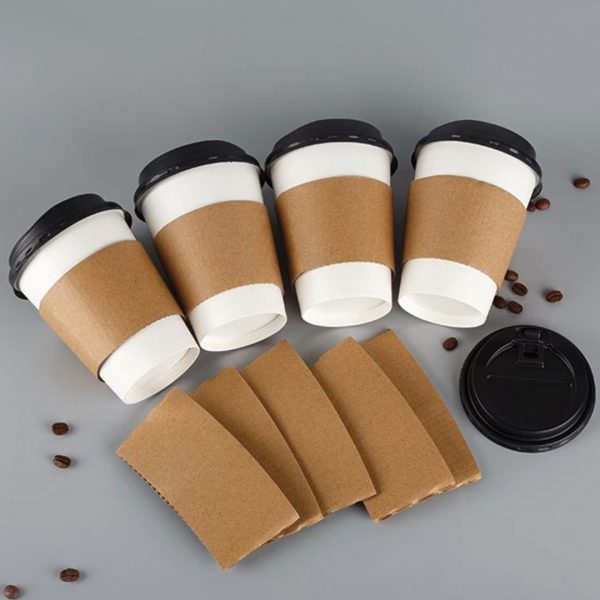
The answer was to protect only the cups that needed it. Sorensen designed a band of textured, embossed paperboard that slips over a standard cup. The raised texture traps a thin layer of air between the cup and your hand, and that air slows the heat.
He looked at corrugated paper but chose embossed board to keep costs down. The sleeves shipped flat, took little storage space and could sit next to the register. A barista only added one when a drink was hot.
From the car trunk to a trade show
Jay and Colleen Sorensen founded Java Jacket in 1993. They started by selling to local coffee shops out of their car. Demand took off in 1995 at Coffeefest, a coffee trade show in Seattle, where shop owners lined up to place orders.
The Coffee Sleeve Patent Story
Sorensen filed for a patent on his textured sleeve, and U.S. Patent 5,425,497 was issued on June 20, 1995. The patent protected his specific design, not the general idea of putting something around a hot cup.
Starbucks and the Coffee Clutch
Starbucks did not adopt the Java Jacket. Its sleeves came from LBP Manufacturing, which sold a sleeve called the Coffee Clutch under its own, separate patent. That design uses corrugated paper on the inside, against the cup, and smooth paper on the outside.
The two designs solve the same problem in different ways. The Java Jacket uses an embossed texture. The Coffee Clutch uses ridges of corrugated paper. Many later patents cover further variations, such as different folds, seams and materials.
A museum piece
The Museum of Modern Art added a 1993 Java Jacket cup sleeve to its collection. It was shown in the 2004 exhibition "Humble Masterpieces," next to other everyday objects with smart, simple designs.
What Is a Coffee Sleeve Called?
The sleeve has many names. Some are generic, some are brand names, and one is centuries old. You may hear any of these:
- Coffee sleeve or cup sleeve: the most common generic names in the US.
- Coffee collar: a popular name for the same paper band.
- Java Jacket: the original brand name, often used for any sleeve.
- Coffee clutch: the name of the Starbucks-style sleeve made by LBP Manufacturing.
- Cup jacket or hot cup jacket: common in food service catalogs.
- Coffee cozy: usually means a reusable fabric or knitted sleeve.
- Zarf: the historic name for a holder around a hot, handleless cup.
The zarf: the sleeve's ancestor
Long before paper cups, coffee drinkers in the Ottoman world faced the same problem. Coffee was served in small cups without handles. These cups were placed in a holder called a zarf, often made of ornate metal.
The word comes from Turkish and Arabic and refers to a case or covering. Zarfs were in wide use by the 18th and 19th centuries. That is why some people jokingly call a modern coffee sleeve a "paper zarf."
Why the Sleeve Beat the Alternatives
The sleeve won because it solved the heat problem at the lowest cost and with the least extra material. Here is how it compares with the other options a coffee shop has.
| Option | How it works | Material used | Branding space |
|---|---|---|---|
| Paper sleeve | Band of textured or corrugated board around the cup | Low: a small strip of paper | Large, wraps the whole grip area |
| Double cupping | A second cup stacked around the first | High: a full extra cup | Only what is printed on the cups |
| Double-wall cup | Insulation built into the cup wall | Higher on every cup, hot or not | Printed cup surface |
| Reusable cozy | Fabric or silicone sleeve the customer keeps | Lowest over time, if reused | Small, and the customer chooses it |
The sleeve also gave coffee shops something they had not planned for: a place to print. A cup sleeve sits right where the customer holds the drink, so it soon became a small ad for the shop.
From Plain Kraft to Printed: Coffee Sleeves Today
Most sleeves today still follow the 1991 idea. What has changed is printing. Cafés, roasters, bakeries and event planners now print their logo, colors and messages on the sleeve.
If you want sleeves with your own branding, our custom printed coffee sleeves come in custom sizes to fit your cups.

What are variable print coffee sleeves?
Variable printing means each sleeve in a run can carry different text or codes. Examples are numbered sleeves, a rotating set of quotes, or a unique QR code on each one. It uses digital printing, where the artwork can change from one sleeve to the next.
For most shops, a simpler route gives a similar effect. Plan a small set of designs, such as four seasonal messages, and rotate them through the year. Ask how to split your order between designs when you request a quote.
Materials and finishes
You can choose paper, cardstock, kraft, paperboard or corrugated cardboard. Printing is available in CMYK or PMS (Pantone) colors, with gloss, matte or spot UV coatings. Gold, silver or rose-gold foiling and embossing add a premium touch.
If waste is a concern, look at eco-friendly beverage sleeves made with recyclable and biodegradable options and soy- or vegetable-based inks.
How to order printed sleeves
- List every hot cup size you serve. Cups taper, so one sleeve rarely fits every size.
- Measure the cup or send us a sample cup, and we will match the sleeve size.
- Choose your material, colors and finish.
- Send your logo, or use our free design services to build the artwork.
- Approve a digital proof. Free samples and prototyping are available if you want to test fit first.
- Production takes 4 to 6 business days after proof approval, with rush options.
- Receive your order with free shipping to the USA, Canada, the UK or Australia.
The minimum order is 100 units, with volume discounts on larger runs. For more help, see our tips for choosing a coffee sleeve supplier.
Artwork checklist
- Send your logo as a vector file (AI, EPS, SVG or PDF).
- Keep key text and logos away from the glued seam.
- Use PMS colors if your brand color must match exactly.
- Check contrast on kraft stock, since dark ink shows best.
- Keep text large enough to read on a moving cup.
- Test QR codes at their printed size before you approve the proof.
Browse every style in our coffee sleeves collection, including hot, iced and tea cup sleeves.
FAQs
Who invented the coffee sleeve?
Jay Sorensen of Portland, Oregon, invented the coffee sleeve in 1991. He got the idea in 1989 after burning his fingers on a hot drive-thru coffee. He sold the sleeve as the Java Jacket.
Who invented the coffee collar?
"Coffee collar" is another name for the coffee sleeve, so the inventor is also Jay Sorensen. His Java Jacket design was the first widely sold paper collar for hot cups. Other companies later made their own versions.
Is the coffee sleeve patented?
Yes. Sorensen received U.S. Patent 5,425,497 for his textured sleeve on June 20, 1995. LBP Manufacturing holds a separate patent for the Coffee Clutch, the corrugated sleeve used by Starbucks.
What is a coffee sleeve called?
Common names include coffee sleeve, cup sleeve, coffee collar, cup jacket and Java Jacket. A fabric version is often called a coffee cozy. The historic Ottoman holder for a hot cup is called a zarf.
What is the coffee sleeve inventor's net worth?
Jay Sorensen's net worth has not been published in any reliable source. Figures you see online are estimates. What is documented is that Java Jacket grew from a small local business into a well-known sleeve company.
The next time you pick up a hot coffee, you are holding a 1991 idea from Portland. If you want that sleeve to carry your own brand, request a free coffee sleeve quote and our team will help with size, material and design.
Coffee Sleeve History and Printing Questions
Who invented the paper coffee cup itself?
The disposable paper cup came long before the sleeve. It is usually credited to Lawrence Luellen, who developed it around 1907 as a cleaner alternative to the shared tin cups at public water barrels. His cup was later sold as the Dixie Cup. Hot coffee in paper cups became common decades later, which is what created the need for a sleeve.
How many coffee sleeves are used each day?
There is no reliable published count, and figures that circulate online are guesses. What is clear is that sleeves are a standard item at most coffee chains, drive-thrus and cafés that serve hot drinks in single-wall paper cups. For your own shop, the useful number is simpler: how many hot drinks you sell in a week.
How big is the cup sleeve market?
Market research firms publish estimates, but their numbers vary widely and depend on what they count, such as paper only or reusable sleeves too. We do not quote those figures. For a café owner, the practical question is how many hot cups you serve and whether a printed sleeve is the cheapest branded surface you can add to them.
Who makes coffee sleeves today?
Packaging printers, cup suppliers and specializt sleeve makers all produce them. Big chains buy in huge volumes, while independent cafés need shorter printed runs. Cone Sleeves prints coffee sleeves from 100 units in custom sizes, with free design help and free samples, so a single café can order its own branded sleeve.
Is a corrugated sleeve warmer to hold than an embossed one?
Both work by trapping air between the cup and your hand. A corrugated sleeve has a fluted inner layer, so it tends to feel a little cooler on very hot drinks, while embossed board is thinner and lighter. For a dark roast served very hot, our cardboard beverage sleeves with a fluted layer give more grip and insulation.
Do cold drinks need a sleeve too?
Iced drinks are not hot enough to burn, but the cup sweats. Condensation makes a cup slippery and wets the customer's hand and car seat. A sleeve on a cold cup soaks up some of that moisture and gives a firmer grip. Our sleeves sized for iced coffee cups are made for that job.
Which hot cup sizes need a sleeve the most?
In the US, 12 oz and 16 oz are the usual medium and large hot coffee sizes, so those are where sleeves earn their place. An 8 oz cup is often held by the rim, and many shops skip the sleeve on it. Because cups taper, size each sleeve to the cups you actually stock, such as our printed hot paper cups for coffee.
What message works best on a printed coffee sleeve?
Keep it to one idea a customer can read in a second while carrying the cup: your logo plus a short line, a social handle, or a seasonal drink name. A sleeve is seen from a car seat or a desk, so large type wins. Save longer stories, like your roaster or origin, for the menu board.
Do tea cups need a different sleeve from coffee cups?
Often yes. Tea is usually served at or near boiling, so heat is a bigger issue, and tea cups may be a different height or taper from your coffee cups. Measure the actual cup before you order. Our printed tea cup sleeves are cut to fit those cups rather than borrowed from the coffee size.
Are paper coffee sleeves recyclable?
Plain paper and cardboard sleeves are usually accepted in paper recycling, because they rarely touch the drink. Heavy foil or plastic coatings can change that, so ask which finish keeps your sleeve recyclable before you add one. Local programs differ, so check what your city accepts before you print a recycling line on the sleeve.