Picking the right sleeve for the food in your hand
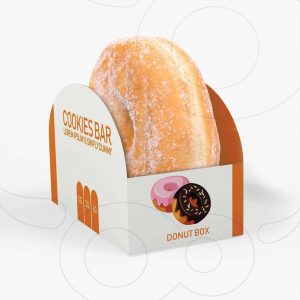
A food sleeve has one job before it has any branding job: it has to fit the item your customer is holding. Start with the shape of the food, not the look of the print. Long, round items like burritos, wraps and corn dogs need a tube that grips without crushing. Flat or wedge-shaped items like pizza slices, crepes and sandwiches need an open pocket. Round baked goods like donuts, muffins and cupcakes need a short band or a cradle that keeps frosting off the paper.
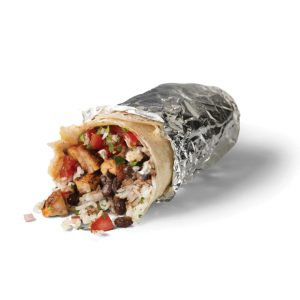
Then think about how the food leaves your counter. A burrito handed through a food truck window gets eaten standing up, so the sleeve should cover the bottom half and tear down as the customer works through it. If you sell that kind of meal, our printed burrito sleeves are built around the tear-down habit. A pastry at a cafe table only needs a light band so the customer can pick it up without flaky crumbs on their fingers.
Hot and greasy, or dry and sweet
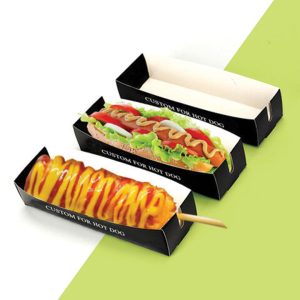
The second split is what the food does to paper. Hot dogs, corn dogs, fries, fried chicken skewers and pizza slices give off steam and oil. They need a grease-resistant stock or a coated paper so the sleeve stays crisp in the hand and the ink stays sharp. Donuts, cupcakes, chocolate bars and gift pastries are dry by comparison, so you can use a heavier uncoated cardstock or kraft and get a richer print feel.
Grab-and-go or plated
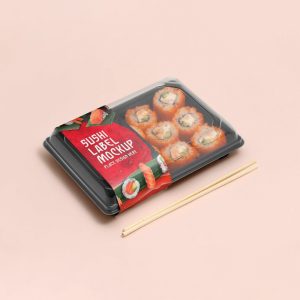
Sleeves for walk-away food carry the whole brand moment, because there is no plate, tray or table setting around them. Sleeves for plated or boxed food, like sushi and bento sleeves that wrap around a container, work more like a label band. They hold a lid shut and tell the customer what is inside, so the print can be smaller and more informational.
Food sleeve types compared
Use this table to narrow the grid down before you ask for a quote. Sizes are described generally, because nearly every sleeve here is cut to your exact item.
| Sleeve type | Best for | Typical shape and size | Stock to consider |
|---|
| Burger and sandwich sleeves | Quick service, diners, delis | Open pocket sized to the bun or bread | Greaseproof paper or coated paperboard |
| Burrito and wrap sleeves | Food trucks, taquerias, lunch counters | Tube or half-tube that covers the lower half | Greaseproof paper, kraft |
| Hot dog and corn dog sleeves | Stadium stands, fairs, ballparks | Long narrow pocket or open-ended tube | Grease-resistant paperboard |
| Pizza slice and crepe sleeves | Slice shops, crepe stands, night markets | Triangle or cone-shaped pocket | Coated paperboard, greaseproof liner |
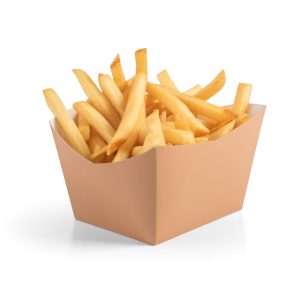
| Fries and popcorn sleeves | Snack bars, cinemas, carnivals | Scoop-style sleeve or open cone | Grease-resistant paperboard |
| Donut, muffin, cupcake and pastry sleeves | Bakeries, coffee shops, dessert bars | Low band, cradle or window sleeve | Cardstock, kraft, paperboard |
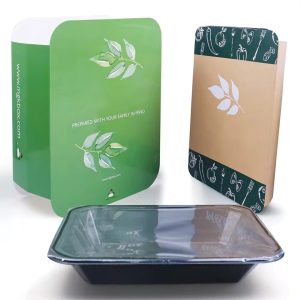
| Sushi and bento sleeves | Grocery grab cases, sushi bars, meal prep | Wraparound band for a tray or box | Cardstock or paperboard |
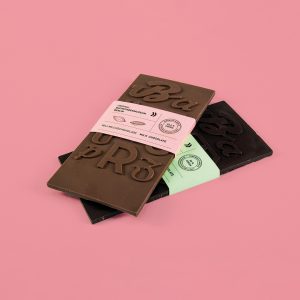
| Chocolate bar and gift sleeves | Confectioners, gift shops, events | Slide-on sleeve over a wrapped bar | Paperboard with foil or embossing |
Stock, coatings and print finishes for food sleeves
Most of the decisions here come down to oil, heat and how premium the item is. Greaseproof and wax-coated papers are the safe choice for anything fried or sauced. Paperboard gives a sleeve more stand-up structure, which matters for hot dogs and slices that would otherwise flop. Kraft reads as natural and handmade, and it hides small oil marks better than bright white stock. White cardstock shows color best, so it suits bakery brands with pastel palettes or detailed illustrations.
Printing is in CMYK for full-color artwork, or in PMS (Pantone) when a logo color has to match your signage and menu boards. Gloss lifts photography of the food itself. Matte feels softer in the hand and photographs well for social posts. Spot UV, embossing and gold, silver or rose-gold foil make sense on chocolate bar sleeves, gift pastries and event sleeves, where the packaging is part of what the customer is paying for. On a hot dog sleeve that lives for three minutes, those extras rarely earn their cost.
Windows are the other big choice. A die-cut opening lets the customer see the frosting on a cupcake or the fillings in a wrap, and you can add a PVC window when the food needs covering too. If you want a shape that is not a plain band, look at die-cut sleeves with custom shapes before settling on a standard cut. Every food-contact option uses FDA-compliant materials, with recyclable and biodegradable stocks and soy- or vegetable-based inks available.
Design tips that survive grease, steam and hands
- Keep the logo high. On tube and pocket sleeves the bottom third gets folded, gripped or torn away. Put the brand mark near the top edge where it stays visible while the customer eats.
- Use bold, simple shapes on greasy items. Fine lines and small type blur when oil spreads into the fibers. A solid logo and one short line of text hold up better than a busy pattern.
- Plan for the seam. Wraparound sleeves have a glued overlap. Keep faces, text and QR codes away from it so they don't get split.
- Leave the window clean. If the sleeve has a cut-out, keep at least a finger's width of plain margin around it so the edge looks deliberate.
- Print the menu name. Sleeves for a specific item, like a signature burrito or a seasonal donut, can carry that name, which helps at busy pick-up counters where orders get mixed up.
- Test against the real food. Ask for a sample and wrap your actual product in it. A sleeve that looks right in a PDF can sit too loose on a thin crepe or too tight on a loaded burger.
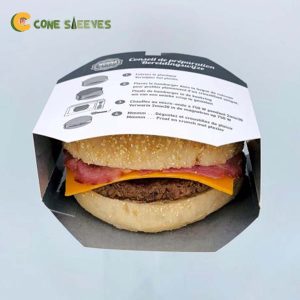
Burger shops in particular get a lot from the print area, and our article on burger sleeve presentation covers how the sleeve changes the way a takeout burger looks when it is unwrapped.
Ordering food sleeves step by step
- Measure the food, not the packaging you use now. Note the width, length and height of the item as served, including toppings that stick out.
- Pick the style and stock from the table above, based on grease, heat and how the item is carried.
- Send your artwork or a rough idea. Our free design help can turn a logo and a few notes into print-ready files, or you can configure the basics with the step-by-step order form on this page.
- Request a sample or prototype. Samples are free, and testing with real food catches fit problems early.
- Approve the proof. Production takes 4–6 business days after approval, with rush options when you have an opening date or event to hit.
- Plan the reorder. The minimum order is 100 units, and volume discounts apply as quantities grow, so many shops order a core sleeve in bulk and a seasonal design in a smaller run.
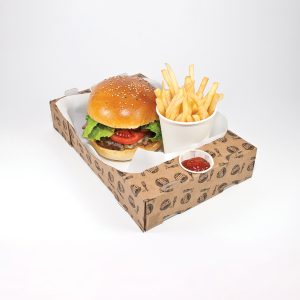
If your food is served on a board or in a carrier as well as wrapped, you can order the two together from our printed food trays range so the colors match. Shipping is free to the USA, Canada, the UK and Australia.
Where food sleeves earn their keep
Food trucks and pop-ups use sleeves because there is no plate or dining room to carry the brand, and a printed burrito or taco sleeve is often what ends up in customers' photos. Ballparks, county fairs and stadium stands rely on hot dog, corn dog and fries sleeves for speed: one sleeve, one handoff, no tray. Bakeries and coffee shops use pastry, muffin and donut sleeves to make a single item look like a gift, which helps with add-on sales at the register.
Street dessert vendors and night markets lean on sweet sleeves for the same reason. A crepe folded into a printed pocket is easier to eat while walking, and custom crepe sleeves sized to your fold keep the filling from sliding out. Caterers use sushi, bento and sandwich sleeves to label boxed lunches for office drop-offs, where one glance has to tell people which box is vegetarian. Seasonal runs for holidays, school events and festivals are common too, because a short run of 100 or more lets you print a design that only lasts a few weeks.



 Ice Cream Cone Sleeves
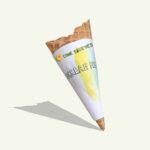 Waffle Cone Sleeves
 Ice Cream Cone Wrappers
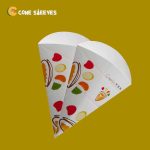 Crepe Cone Packaging
 Sugar Cone Sleeves
 Custom Printed Coffee Sleeves
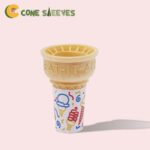 Cake Cone Sleeves
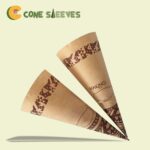 Cardboard Cone Sleeves
 Black Cone Sleeve
 Child Size Waffle Cone Sleeves
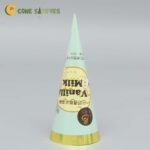 Paper Cone Sleeves
 Small Cone Sleeves
 Eco-Friendly Cone Sleeves
 Aluminum Foil Cone Sleeves
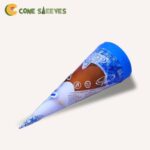 Two Color Cone Sleeves
 White Cone Sleeve
 Polka Cone Sleeves
 Abstract Cone Sleeves
 Rolled Cone Sleeves
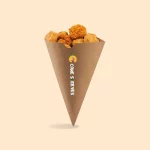 Chicken Cone Sleeves
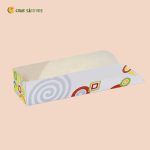 Custom Waffle Trays
 Ice Cream Cone Holder
 Paper Mache Cones
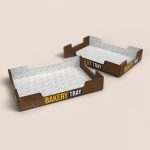 Custom Bakery Trays
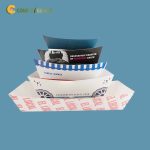 Custom Cardboard Food Trays
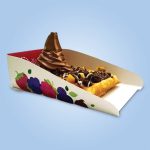 Custom Dessert Trays
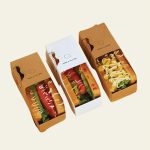 Custom Hot Dog Trays
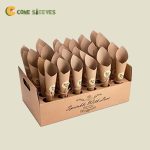 Ice Cream Cone Tray
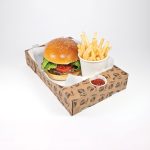 Custom Burger Trays
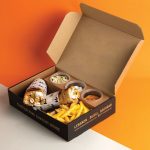 Custom Combo Meal Trays
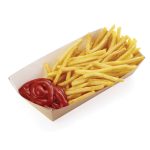 Custom Fries Trays
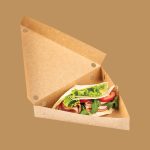 Custom Crepe Trays
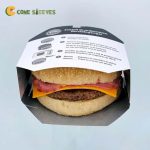 Burger Sleeves
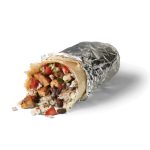 Custom Burrito Sleeves
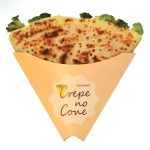 Custom Crepe Sleeves
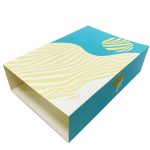 Custom Dessert Sleeves
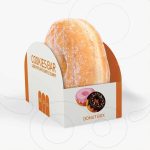 Custom Donut Sleeves
 Custom Tray And Sleeves
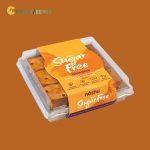 Food Sleeves
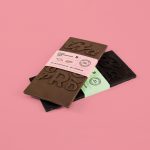 Chocolate Bar Sleeve Packaging
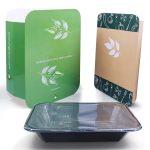 Custom Bento Sleeves
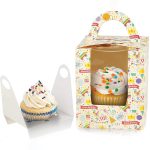 Custom Cupcake Sleeves
 Custom Die-Cut Sleeves
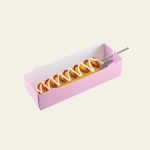 Custom Hot Dog Sleeves
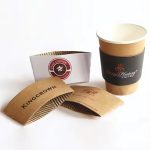 Custom Cold Drink Sleeves