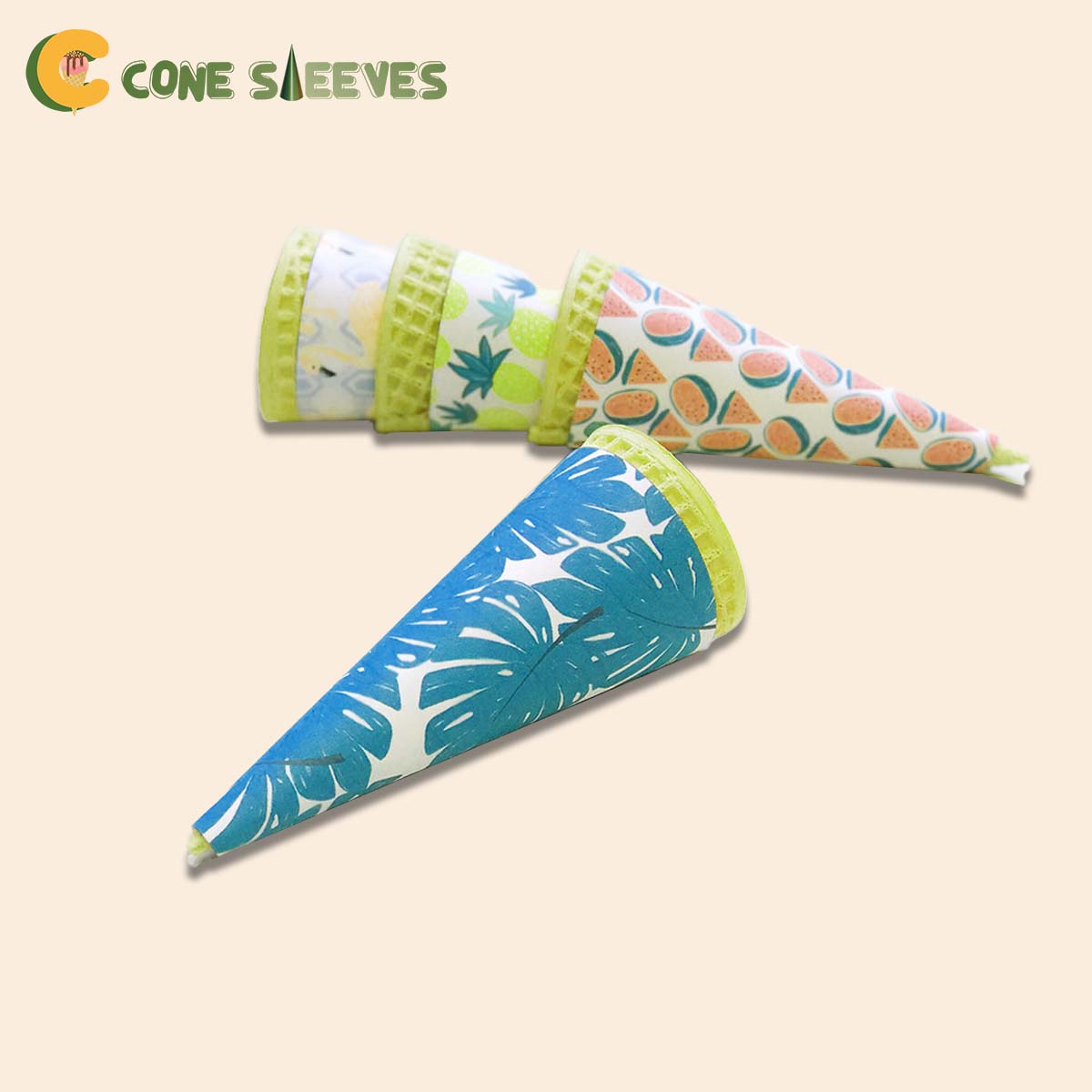
 Ice Cream Cone Sleeves
 Waffle Cone Sleeves
 Ice Cream Cone Wrappers
 Crepe Cone Packaging
 Sugar Cone Sleeves
 Custom Printed Coffee Sleeves
 Cake Cone Sleeves
 Cardboard Cone Sleeves
 Black Cone Sleeve
 Child Size Waffle Cone Sleeves
 Paper Cone Sleeves
 Small Cone Sleeves
 Eco-Friendly Cone Sleeves
 Aluminum Foil Cone Sleeves
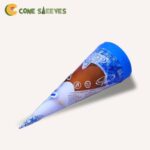 Two Color Cone Sleeves
 White Cone Sleeve
 Polka Cone Sleeves
 Abstract Cone Sleeves
 Rolled Cone Sleeves
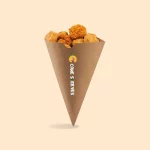 Chicken Cone Sleeves
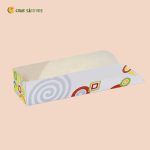 Custom Waffle Trays
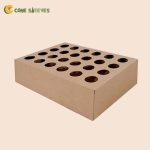 Ice Cream Cone Holder
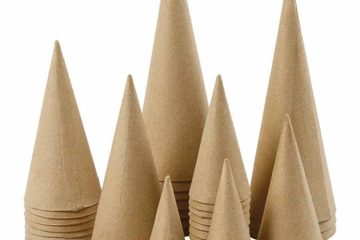
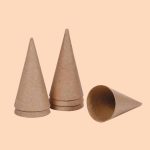 Paper Mache Cones
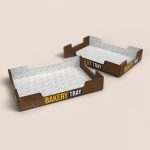 Custom Bakery Trays
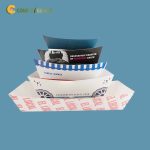 Custom Cardboard Food Trays
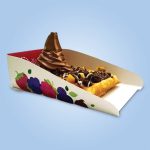 Custom Dessert Trays
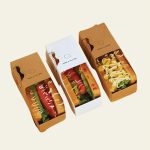 Custom Hot Dog Trays
 Ice Cream Cone Tray
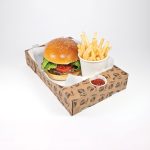 Custom Burger Trays
 Custom Combo Meal Trays
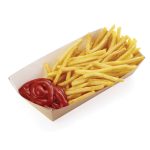 Custom Fries Trays
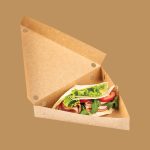 Custom Crepe Trays
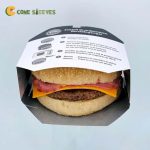 Burger Sleeves
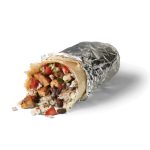 Custom Burrito Sleeves
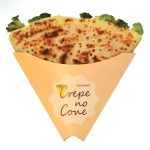 Custom Crepe Sleeves
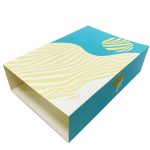 Custom Dessert Sleeves
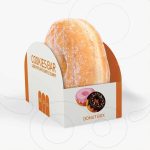 Custom Donut Sleeves
 Custom Tray And Sleeves
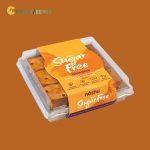 Food Sleeves
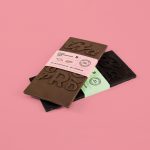 Chocolate Bar Sleeve Packaging
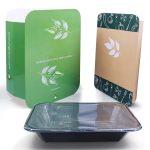 Custom Bento Sleeves
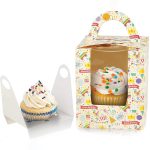 Custom Cupcake Sleeves
 Custom Die-Cut Sleeves
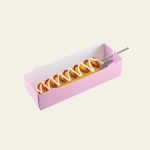 Custom Hot Dog Sleeves
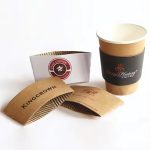 Custom Cold Drink Sleeves

Burger sleeves are printed paper sleeves that wrap around a burger, leaving the top open so the customer can eat without unwrapping it. They improve takeout presentation in five ways: they keep hands clean, hold the burger together, put your logo in front of every customer, give you space for promotions and make the meal look more professional.
This guide explains each benefit, then covers what you need to get right when you order: size, material, print and finish. There are no made-up numbers here, just practical advice you can use on your next order.
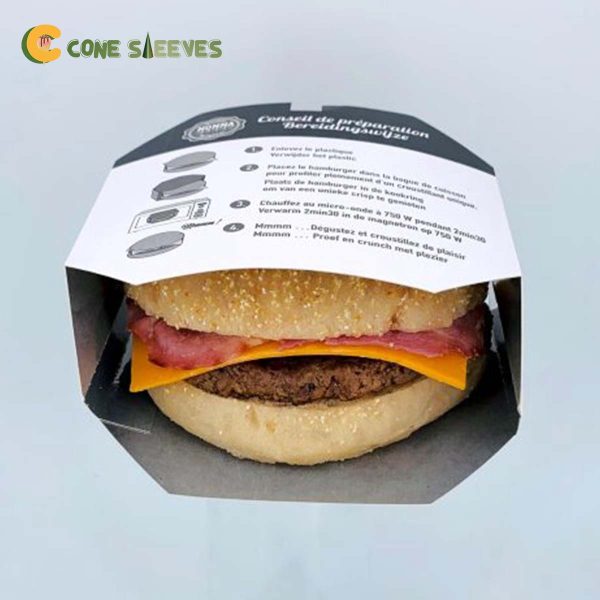
What Is a Burger Sleeve?
A burger sleeve is a band or pocket of food-safe paper that wraps around the lower part of a burger. It sits between a full wrap and a box. It covers enough of the burger to hold it together and keep grease off hands, but it leaves the top open so the burger looks good when it comes out of the bag.
Here is how sleeves compare with other common burger packaging:
| Option | Coverage | Best for | Branding space |
|---|---|---|---|
| Burger sleeve | Lower half, top open | Eat-in-hand burgers, takeout, events | Front and back panels |
| Wrapping paper | Full burger | Delivery, keeping heat in | Repeating pattern on the sheet |
| Burger box | Full burger, rigid | Tall stacked burgers, long trips | All sides and lid |
| Burger tray | Open, base only | Dine-in, burger plus fries | Walls and inside base |
Many restaurants combine them. A sleeve holds the burger and a tray carries it with fries. Our printed burger sleeves are made to fit that kind of setup.
1. Cleaner Hands and Safer Handling
A juicy burger drips. Sauce, melted cheese and meat juices run down to the bottom bun and onto fingers. A sleeve made from grease-resistant paper catches that mess before it reaches your customer.
The sleeve also means staff touch the sleeve, not the bun, when they pack an order. Inside a delivery bag, each sleeved burger stays separate from fries and other items, which matters for customers who care about what touches their food.
Because the inside of the sleeve touches food, the material must be suitable for food contact. Cone Sleeves uses FDA-compliant food-contact materials and prints with soy- and vegetable-based inks. The full lineup of custom printed cone sleeves from Cone Sleeves starts on our home page.
2. A Burger That Arrives in One Piece
A loose burger in a bag slides, tilts and loses its toppings. By the time it reaches the customer, the tomato is on the bag floor and the bun is off to one side. That is what customers photograph and complain about.
A snug sleeve holds the bun, patty and toppings in a stack. It keeps gentle pressure around the sides so the burger stays upright without flattening the bun. It also gives the customer a firm grip, so the burger doesn't fall apart on the first bite.
Leave room for steam
A burger sealed tight in paper steams itself and the bun goes soft. An open-top sleeve lets steam escape while still holding the burger together. If your burgers travel far, pair the sleeve with a vented box or bag rather than wrapping them fully airtight.
3. Your Brand on Every Table and Car Seat
Takeout food leaves your restaurant and goes to offices, cars, parks and living rooms. A plain wrapper says nothing about where it came from. A printed sleeve puts your logo in front of the customer for the whole meal, and in front of anyone eating with them.
Sleeves also show up in social posts. People share food photos, and a well-designed sleeve makes your burger easy to recognize and tag. Put your logo large on the front panel and your social handle or website on the back.
Design tips that work on a sleeve
- Keep your logo on the front, centered and large enough to read from across a table.
- Use two or three brand colors with strong contrast.
- Avoid tiny text near the bottom edge, where grease and fingers sit.
- Use PMS (Pantone) printing if your brand color must match exactly every time.
- Choose a matte coating for a natural feel or gloss for brighter colors; spot UV can make a logo stand out.
4. Space for Promotions and Seasonal Designs
A sleeve is a small ad that every customer holds. You can use the back panel for a QR code that links to your menu, a loyalty program or an online ordering page. You can print a hashtag to encourage photos, or a code for a discount on the next visit.
Seasonal sleeves give regular customers something new to notice. A summer grilling design, a game-day print or a holiday version can launch alongside a limited menu item. Because the minimum order is 100 units, a short seasonal run is easy to try. See our event and seasonal sleeves for ideas.
Keep promotional sleeves simple. One clear message works better than a QR code, a hashtag, a coupon and a menu list all on the same small panel.
5. A More Professional Look and Fewer Complaints
Customers judge food before they taste it. A burger that arrives tidy, upright and in branded packaging looks like it came from a place that cares about details. A burger that arrives squashed in a greasy plain wrapper looks careless, even if the recipe is great.
Good packaging also protects your online reviews. Many negative reviews about takeout are really about the trip: a soggy bun, a collapsed stack or sauce everywhere. A well-fitted sleeve fixes several of those problems at once, which helps your reviews reflect the food rather than the journey.
First-time customers are the ones to win. Their first takeout order decides whether they order again. A sleeve that holds the burger together and looks good is a small detail that helps.
How to Choose and Order Burger Sleeves
Size and fit
Burger sizes vary a lot, from sliders to double stacks. There is no single right size, so measure your own burgers before you order.
- Build three burgers exactly as you serve them, with all toppings.
- Measure around the widest part of the burger to get the circumference the sleeve must wrap.
- Measure the height you want covered. Most sleeves cover the bottom bun, patty and part of the top bun.
- Add a small overlap for the seam or fold, so the sleeve stays closed.
- Ask for a sample or a proof, print it at 100% scale and wrap it around a real burger.
- If you sell sliders and full-size burgers, order a size for each.
Cone Sleeves makes custom sizes, so you can match the sleeve to your actual burger instead of forcing it into a stock size.
Materials and coatings
Most burger sleeves are made from paper or light cardstock with a grease-resistant coating. Kraft paper suits natural or craft-burger brands and has a rustic look. A stiffer cardstock holds tall burgers upright better. For a full wrap rather than a sleeve, printed custom sandwich wrapping paper is the better choice.
Sustainability
Many customers now ask about packaging waste. Cone Sleeves offers recyclable and biodegradable paper options, printed with soy- and vegetable-based inks. Some buyers ask for compostable sleeves; if that is a must for you, ask us what is possible for your design before you order, and only print a disposal claim that matches the material you chose.
What affects the cost
We don't quote generic prices here, because the cost depends on your choices. These are the main drivers:
- Quantity: the minimum order is 100 units, and volume discounts lower the unit cost on larger runs.
- Material: heavier cardstock costs more than lighter paper.
- Print: full-coverage designs and exact PMS colors differ from a simple one-color logo.
- Finishes: foiling, embossing and spot UV add production steps.
- Shape: a custom die-cut shape needs its own cutting setup.
Timeline and shipping
Design help and samples are free. Production takes 4–6 business days after proof approval, and rush options are available if you have a launch date. Shipping is free to the USA, Canada, the UK and Australia.
Burger Sleeve Checklist
- Sleeve size measured from your real burgers.
- Grease-resistant, FDA-compliant material for food contact.
- Open top that lets steam escape.
- Logo large and centered on the front panel.
- One clear promotion on the back, if any.
- Seasonal design planned for your next limited menu item.
- Storage space for flat sleeves in a dry place near the line.
If you also sell hot dogs, wraps or fries, our range of printed food sleeves for takeout uses the same approach for other menu items.
FAQs
What are burger sleeves?
Burger sleeves are printed paper sleeves that wrap around the lower part of a burger with the top left open. They keep grease off hands, hold the burger together and show your branding. They are common in takeout, food trucks and events.
Is a burger sleeve the same as burger wrapping paper?
No. Wrapping paper covers the whole burger and is often used for delivery. A sleeve covers only the lower part, so the burger is ready to eat and easy to hold. Some restaurants use both.
What is burger sleeve packaging made from?
Most sleeves are made from paper, cardstock or kraft with a grease-resistant coating. The material should be suitable for food contact. Recyclable and biodegradable options are available.
Can I order custom burger sleeves in small quantities?
Yes. The minimum order at Cone Sleeves is 100 units, which makes it easy to test a design or run a seasonal print. Volume discounts apply as quantities go up.
Ready to make your takeout burgers look as good as they taste? Send your burger measurements and logo through our free burger sleeve quote form, or email support@conesleeves.com, and our design team will prepare a proof for you.
Burger Sleeve Questions From Kitchens and Food Trucks
How do I serve a sleeved burger and fries together without a mess?
Put the sleeved burger in a tray with a separate fries section. The sleeve holds the stack upright, and the tray keeps fries from sliding into the sauce. For dine-in baskets or a counter combo, a matching printed burger tray in the same colors makes the meal look planned.
Do burger sleeves fit chicken sandwiches, smash burgers and sliders?
One sleeve rarely fits all three. Smash burgers are wide and flat, chicken sandwiches are often taller and longer, and sliders are much smaller. Measure each item as you serve it and order a size for each one you sell in volume. A sleeve that fits your best seller matters most.
Will a sleeved burger go soggy in a delivery bag?
Sogginess comes from trapped steam, not the sleeve. The open top lets steam out, so pack the burger upright and do not seal the bag around it tightly. Keep fries in their own container. Sturdy printed food delivery bags with room to stand items up help the burger arrive in shape.
Should I print on both sides of the burger sleeve?
Print the front with a large logo, since that is what faces the customer and the camera. The back is a good place for a handle, a QR code or a short offer. Leaving the back blank lowers the cost a little, but you give up the space that people look at while they eat.
Can I get a smaller sleeve for breakfast sandwiches or hash browns?
Yes. Custom sizes mean you can order a short, narrow sleeve for a breakfast muffin or a small open pocket for hash browns. Send the item's dimensions and how much of it you want covered. For a full breakfast menu, our custom sandwich sleeves are a useful starting point.
Can a burrito or wrap shop use the same sleeve idea?
It works well. A sleeve around the bottom half of a burrito or wrap stops the filling falling out and keeps hands clean while the top stays open to eat. The shape is longer and narrower than a burger sleeve. Look at our printed wrap sleeves for that format.
How many burger sleeves should I order for a first run?
Count the burgers you sell in a normal week, multiply by the number of weeks you want one order to cover, and add a buffer for weekends. Many shops order a month or two of stock first. The minimum is 100 units, so a food truck can test a design before committing to a big run.
How can staff sleeve burgers quickly during a rush?
Keep a stack of sleeves opened and pre-shaped next to the build station, not in the storeroom. Slide the sleeve up from the bottom bun while the burger is still on the board, then bag it. If staff are fighting the sleeve, it is probably too tight, and the next order needs a slightly larger size.
Which finish works best on a sleeve that handles greasy food?
The grease-resistant stock does most of the work, so choose that first. After that, a matte finish hides small marks better than gloss, and darker brand colors show grease spots less than white. Keep fine text away from the bottom edge, where sauce and fingers meet the paper.
Is a burger sleeve or a burger box better for catering orders?
For catering that sits for a while or travels far, a box protects tall burgers better and stacks in a carrier. For an event where burgers are handed out fresh from the grill, a sleeve is faster, uses less packaging and shows your logo while guests eat standing up. Some caterers use both.