



 Ice Cream Cone Sleeves
 Waffle Cone Sleeves
 Ice Cream Cone Wrappers
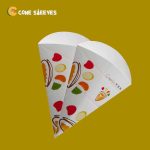 Crepe Cone Packaging
 Sugar Cone Sleeves
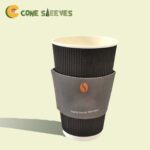 Custom Printed Coffee Sleeves
 Cake Cone Sleeves
 Cardboard Cone Sleeves
 Black Cone Sleeve
 Child Size Waffle Cone Sleeves
 Paper Cone Sleeves
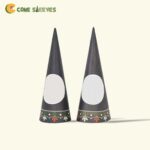 Small Cone Sleeves
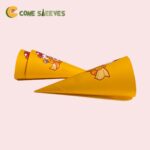 Eco-Friendly Cone Sleeves
 Aluminum Foil Cone Sleeves
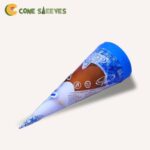 Two Color Cone Sleeves
 White Cone Sleeve
 Polka Cone Sleeves
 Abstract Cone Sleeves
 Rolled Cone Sleeves
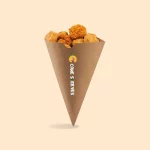 Chicken Cone Sleeves
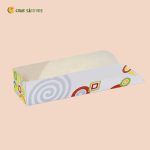 Custom Waffle Trays
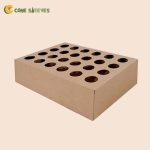 Ice Cream Cone Holder
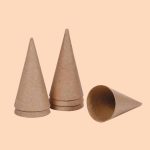 Paper Mache Cones
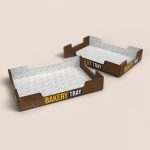 Custom Bakery Trays
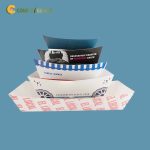 Custom Cardboard Food Trays
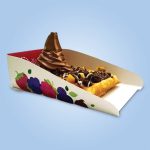 Custom Dessert Trays
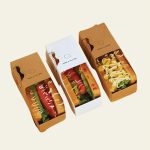 Custom Hot Dog Trays
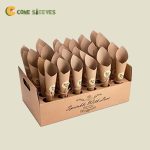 Ice Cream Cone Tray
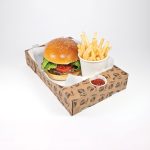 Custom Burger Trays
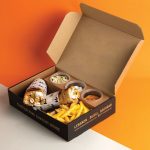 Custom Combo Meal Trays
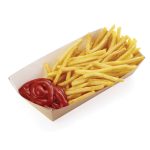 Custom Fries Trays
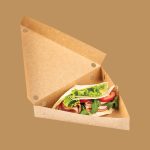 Custom Crepe Trays
 Burger Sleeves
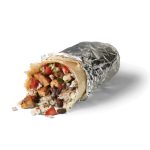 Custom Burrito Sleeves
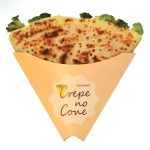 Custom Crepe Sleeves
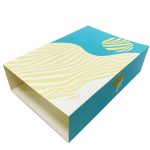 Custom Dessert Sleeves
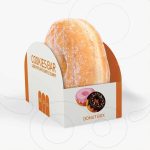 Custom Donut Sleeves
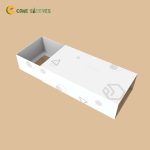 Custom Tray And Sleeves
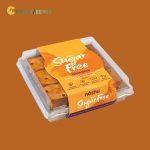 Food Sleeves
 Chocolate Bar Sleeve Packaging
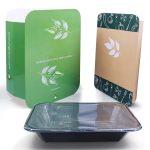 Custom Bento Sleeves
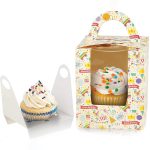 Custom Cupcake Sleeves
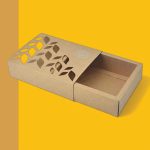 Custom Die-Cut Sleeves
 Custom Hot Dog Sleeves
 Custom Cold Drink Sleeves


The Bag a Driver Hands Over
When an order goes out through a delivery app, the restaurant never meets the customer. The driver walks up, hands over a bag and leaves. That bag is your dining room, your server and your sign all at once, and if it arrives soggy, torn or anonymous, the meal starts badly however good the food is. Custom food delivery bags give delivery orders a printed, sturdy carrier that looks like your restaurant made it.
These paper bags suit restaurants running their own drivers, kitchens that rely on delivery apps, ghost kitchens with several brands under one roof, meal-prep companies dropping weekly orders, salad and bowl chains, office lunch caterers and grocery stores offering same-day delivery. They are built to carry closed containers: clamshells, bowls with lids, drink carriers and boxed meals.
They are printed paper carriers, not insulated thermal bags. For hot food, drivers usually place the paper bag inside their own insulated carrier during the trip. The printed paper bag is what reaches the door and the counter.
Sizing a Bag Around Your Containers
Size from your containers, not from guesses. Put your most common order on the bench, stack it the way you pack it, and measure the base and the height. A flat, wide base is what matters most for delivery: containers have to sit level so lids stay closed and sauces stay inside. A bag that is narrow and tall makes staff stack bowls on top of each other, and the bottom one ends up with a crushed lid.
| Typical order | Bag size to aim for | Packing note |
|---|---|---|
| One bowl or salad with a drink | Small bag with a wide base | Drink in a carrier beside the bag, not inside |
| Two entrées and sides | Medium bag, deep gusset | Heaviest container flat on the bottom |
| Family meal for four | Large bag or two medium bags | Split hot and cold items |
| Office lunch drop | One bag per person | Print or sticker each name |
| Meal-prep week | Large bag with strong base | Stack identical containers in columns |
Thick kraft paper handles the weight of multi-container orders and hides scuffs from car floors and doorsteps. White paper gives a cleaner, brighter print for salad and juice brands. Both are food-contact papers that meet FDA requirements, with recyclable options available.
Design Features That Help Delivery
A delivery bag is closed when it travels, usually folded twice and sealed. That changes how you lay out the print. Your logo should sit in the lower two thirds, where it stays visible after folding. The fold itself is a good place for a printed seal or sticker, which tells the customer nobody opened the bag on the way.
- Print a space for the order name or number so staff don't need to write on the logo.
- Use a strong single color for the logo so it reads in a dark lobby or a porch light.
- A QR code to your own ordering page on the side gently pulls repeat customers off the apps.
- Save foil and embossing for a catering line; everyday delivery bags work best in plain CMYK or PMS (Pantone) print.
- A grease-resistant paper is worth asking for if fried food rides in the bag uncontained.
Hot drinks and soups need upright, stable support inside the order. Pair your bags with printed paper cup holders for drinks, which keep two or four cups steady while the bag sits on a car seat.
A Smoother Packing Station
Set up the packing station so the bag is the last step. Keep a stack of opened bags on a shelf at waist height, receipts and stickers beside them, and a marker for names. Pack hot food together and cold food together, and if an order has a salad and a hot entrée, use two bags or keep the salad on top in its own container. Put napkins and cutlery in last so they don't soak up sauce.
Store unused bags in a dry room, away from the dish pit and the walk-in door, where condensation softens paper. If drivers wait inside, a branded bag sitting on the pickup shelf is visible to every dine-in guest too. For simpler single-meal pickups, lighter custom take-out bags are the cheaper choice and fold away easily.
Ghost kitchens running several virtual brands from one line have a particular choice to make. One neutral bag with a sticker for each brand keeps stock simple, while a separate printed bag per brand makes each one feel like a real restaurant to the customer. At 100 bags per design, testing a printed bag for your best-selling brand first is a low-risk way to decide.
Ordering Delivery Bags
- Measure the containers in your three most common orders.
- Decide on one or two bag sizes and on kraft or white paper.
- Send your logo, colors and any fixed wording such as your web address.
- Test a free sample on a real delivery, including a fold and a sticker seal.
- Approve the proof; production takes 4 to 6 business days, with rush options if you are launching a new delivery service.
Orders start at 100 bags per design with volume discounts on larger runs. Shipping is free to the USA, Canada, the UK and Australia, and our designers will help with layout at no charge. Send your container sizes through our free quote request form.

Reviews
There are no reviews yet.