What the parts of a cup do
Most cup decisions get made on size and print, then the extras get added at the last minute: whatever lid the distributor has, a plain sleeve, a cover that almost fits. This range is for getting those parts right. Each item here changes one thing about how a drink or snack behaves once it leaves your hands.
- Lids control spills and let a drink travel. They decide whether a cup can ride in a cup holder, a delivery bag or a stroller.
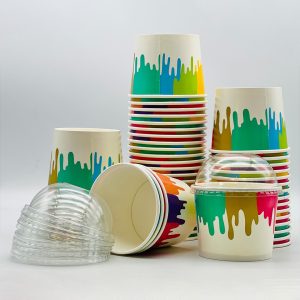
- Covers keep dust, insects and splashes out of a cup that is waiting, such as a row of water cups at a race table or drinks set out at a banquet.
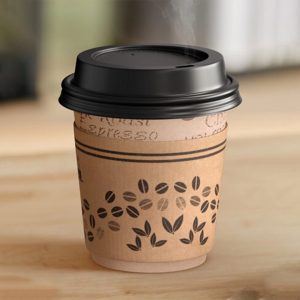
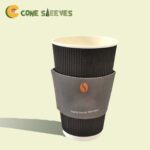
- Sleeves manage heat on the outside of a hot cup and give you a second print surface.
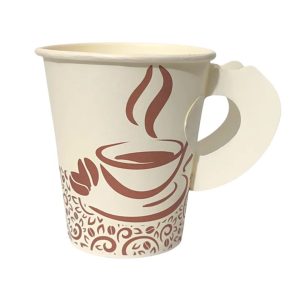
- Handles let someone hold a hot cup by the side instead of wrapping a hand around it, which suits tea service and hot chocolate for kids.
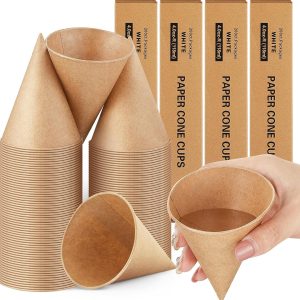
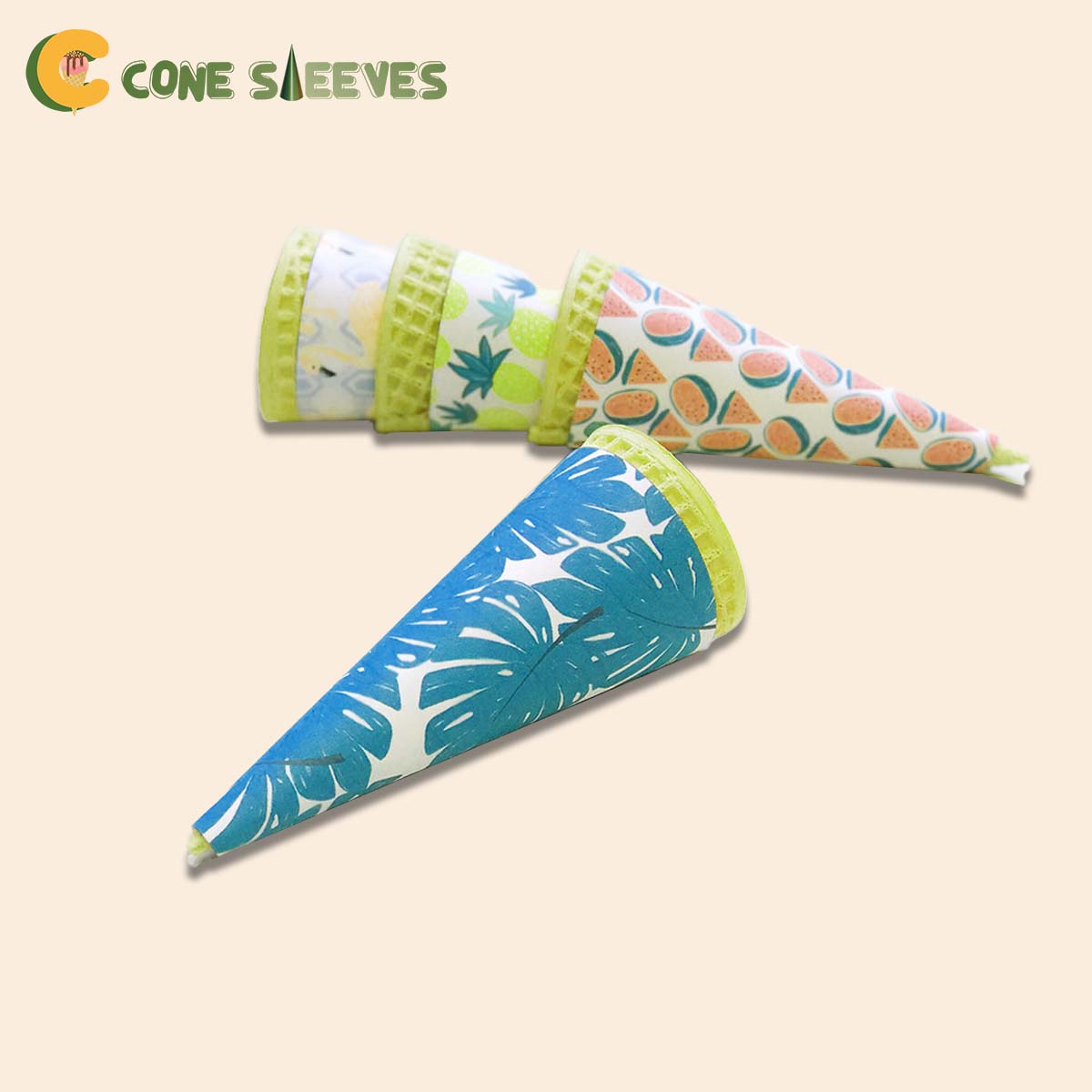
- Cone shape removes the base altogether. A cone cup can't be set down full, which is exactly why it suits water coolers and snow cones.
Pick the drink and the setting first, then the structure follows. A barista handing a latte to a commuter needs a lid and a sleeve. A hotel lobby offering tea needs a handle. A marathon water station needs covers or cone cups and nothing else.
Cup structures compared
| Option | What it solves | Typical use | Fit to check |
|---|
| Paper cups with lids | Spills in transit, delivery | Coffee to go, soups, iced drinks | Rim diameter must match the lid exactly |
| Paper cup cover | Dust and splashes on standing cups | Banquets, water stations, buffets | Cover should sit flat without pressing in |
| Paper cup sleeves | Heat on the hand, extra print area | Coffee, tea, hot chocolate | Sleeve height and taper must follow the cup wall |
| Paper cups with handles | Holding a hot cup comfortably | Tea service, hotel rooms, kids' cocoa | Handle placement away from the seam |
| Paper cone cups | Single-use servings without a base | Water coolers, snow cones, tastings | Dispenser size if used in a holder |
Getting the fit right between cup and accessory
Fit is where most structure problems come from. A lid made for a cup of the same size from a different maker can be a fraction too wide and pop off when squeezed. A sleeve cut for a straight-walled cup slides down a tapered one. This is why it pays to order the cup and its accessory together and have them checked as a set before printing starts.
For lids, the number that matters is the rim diameter, not the cup volume. Two 12 oz cups can have different rim sizes. If you already stock cups and only need lids, send a sample cup or its rim measurement. Our paper coffee cup lids are made to match the cups they are ordered with.
For sleeves, the taper of the wall matters as much as the height. A sleeve should sit at the middle of the cup where the hand grips, and stay put when the cup is lifted. Covers are more forgiving because they rest on the rim, but they still need to overhang enough not to fall in.
Sleeves, double walls and handles for hot drinks
There are three common ways to stop a hot cup burning a customer's fingers, and they suit different businesses. A single-wall cup with a separate sleeve is flexible: staff add a sleeve only to hot drinks, and the sleeve carries a promotion that can change month to month. A double-wall cup has the insulation built in, so there is nothing to add at the counter, but it uses more board per cup and you lose the separate print surface. A cup with a handle suits slower service where people sit down, like tea rooms and hotel rooms, though handles make cups harder to stack.
Cafes that sell a lot of iced drinks often use sleeves on cold cups too, to catch condensation rather than heat. If you want other shapes or stocks, the full beverage sleeves collection includes kraft, cardboard and iced coffee styles.
Printing a matching set
The point of ordering structure pieces from the same printer is that they look like they belong together. A few things help:
- Use the same PMS colors on the cup, lid or cover, and sleeve, so the brand color doesn't shift between parts.
- Don't repeat the full logo everywhere. If the cup carries the logo, let the sleeve carry a message, a QR code or a seasonal line.
- Print the cover's top face. At a banquet or water table, the cover is the only part people see from above.
- Keep handle areas plain. Ink near the handle join gets rubbed by fingers; put the design on the opposite side.
- Size type for a cone. Cone cups narrow fast, so small print near the tip distorts. Keep text in the wide upper band.
Finishes follow the same rules as cups: gloss, matte or spot UV, with foil and embossing best kept for sleeves and premium cups. The history of the coffee cup sleeve is a short read on why the sleeve became a print surface in the first place.
Ordering cups and accessories together
- List the drinks or foods each cup will hold, hot or cold, and how they are served: counter, delivery, table or self-serve station.
- Choose the cup size and the structure each one needs. Not every size needs every part.
- Send existing cups if you are only ordering lids, covers or sleeves, so we can check the rim and wall.
- Set the artwork for each piece. Design help is free, and the step-by-step order form on this page lets you set up the main options.
- Test free samples as a set. Put a lid on a full cup and squeeze it; slide a sleeve on and lift the cup.
- Approve the proofs. Turnaround is 4–6 business days after approval, with rush available. Shipping is free to the USA, Canada, the UK and Australia.
Each item has a 100-unit minimum, and volume discounts apply. Lids and sleeves are used at different rates from cups, since not every drink gets one, so plan their quantities separately. If you are still deciding cup volumes, compare paper cups sorted by size first and then match the accessories.
Which venues use which parts
Coffee shops and drive-thrus live on lids and sleeves, because nearly every hot drink leaves the counter. Hotels, care homes and office pantries lean toward handled cups for tea and in-room service, where nobody is walking far. Caterers and banquet halls set out covered cups on long tables before guests arrive. Gyms, clinics and offices with water coolers stock cone cups in a wall dispenser. Food trucks selling soup or chili through a window want vented lids that hold up while customers walk to a bench. Knowing which group you sit in tells you which parts to order in volume and which you only need a small run of.



 Ice Cream Cone Sleeves
 Waffle Cone Sleeves
 Ice Cream Cone Wrappers
 Crepe Cone Packaging
 Sugar Cone Sleeves
 Custom Printed Coffee Sleeves
 Cake Cone Sleeves
 Cardboard Cone Sleeves
 Black Cone Sleeve
 Child Size Waffle Cone Sleeves
 Paper Cone Sleeves
 Small Cone Sleeves
 Eco-Friendly Cone Sleeves
 Aluminum Foil Cone Sleeves
 Two Color Cone Sleeves
 White Cone Sleeve
 Polka Cone Sleeves
 Abstract Cone Sleeves
 Rolled Cone Sleeves
 Chicken Cone Sleeves
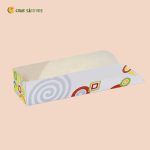 Custom Waffle Trays
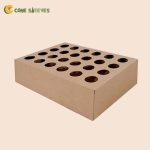 Ice Cream Cone Holder
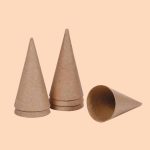 Paper Mache Cones
 Custom Bakery Trays
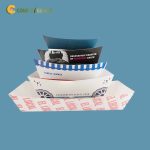 Custom Cardboard Food Trays
 Custom Dessert Trays
 Custom Hot Dog Trays
 Ice Cream Cone Tray
 Custom Burger Trays
 Custom Combo Meal Trays
 Custom Fries Trays
 Custom Crepe Trays
 Burger Sleeves
 Custom Burrito Sleeves
 Custom Crepe Sleeves
 Custom Dessert Sleeves
 Custom Donut Sleeves
 Custom Tray And Sleeves
 Food Sleeves
 Chocolate Bar Sleeve Packaging
 Custom Bento Sleeves
 Custom Cupcake Sleeves
 Custom Die-Cut Sleeves
 Custom Hot Dog Sleeves
 Custom Cold Drink Sleeves