



 Ice Cream Cone Sleeves
 Waffle Cone Sleeves
 Ice Cream Cone Wrappers
 Crepe Cone Packaging
 Sugar Cone Sleeves
 Custom Printed Coffee Sleeves
 Cake Cone Sleeves
 Cardboard Cone Sleeves
 Black Cone Sleeve
 Child Size Waffle Cone Sleeves
 Paper Cone Sleeves
 Small Cone Sleeves
 Eco-Friendly Cone Sleeves
 Aluminum Foil Cone Sleeves
 Two Color Cone Sleeves
 White Cone Sleeve
 Polka Cone Sleeves
 Abstract Cone Sleeves
 Rolled Cone Sleeves
 Chicken Cone Sleeves
 Custom Waffle Trays
 Ice Cream Cone Holder
 Paper Mache Cones
 Custom Bakery Trays
 Custom Cardboard Food Trays
 Custom Dessert Trays
 Custom Hot Dog Trays
 Ice Cream Cone Tray
 Custom Burger Trays
 Custom Combo Meal Trays
 Custom Fries Trays
 Custom Crepe Trays
 Burger Sleeves
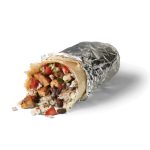 Custom Burrito Sleeves
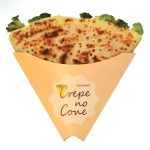 Custom Crepe Sleeves
 Custom Dessert Sleeves
 Custom Donut Sleeves
 Custom Tray And Sleeves
 Food Sleeves
 Chocolate Bar Sleeve Packaging
 Custom Bento Sleeves
 Custom Cupcake Sleeves
 Custom Die-Cut Sleeves
 Custom Hot Dog Sleeves
 Custom Cold Drink Sleeves


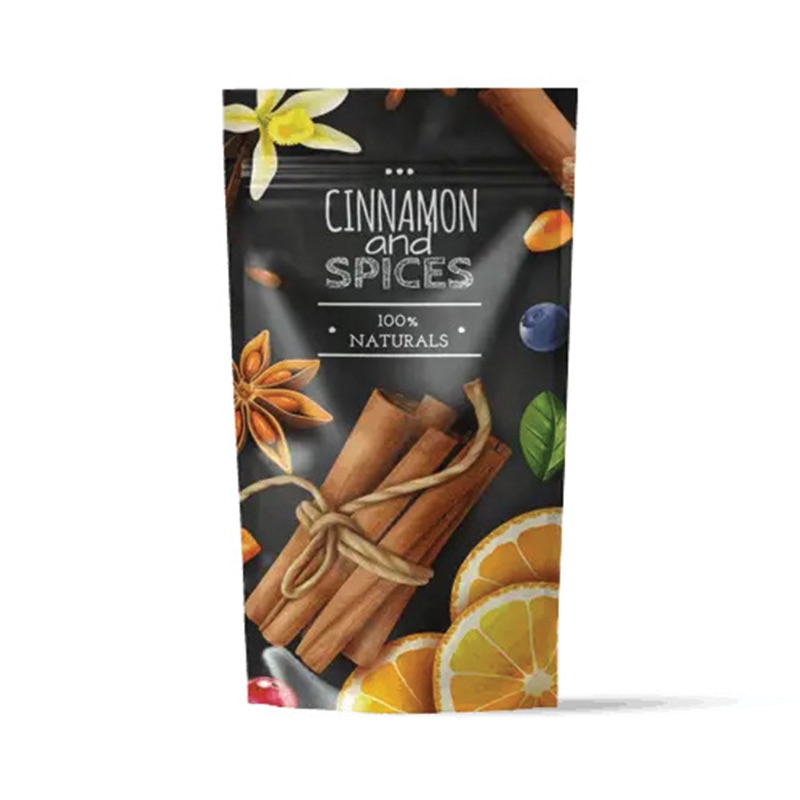
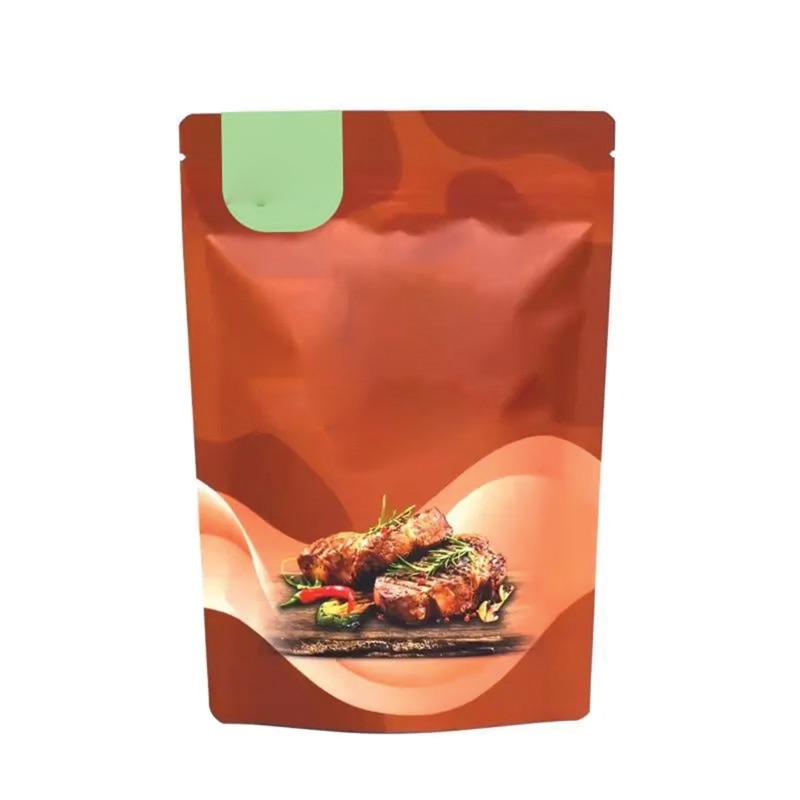
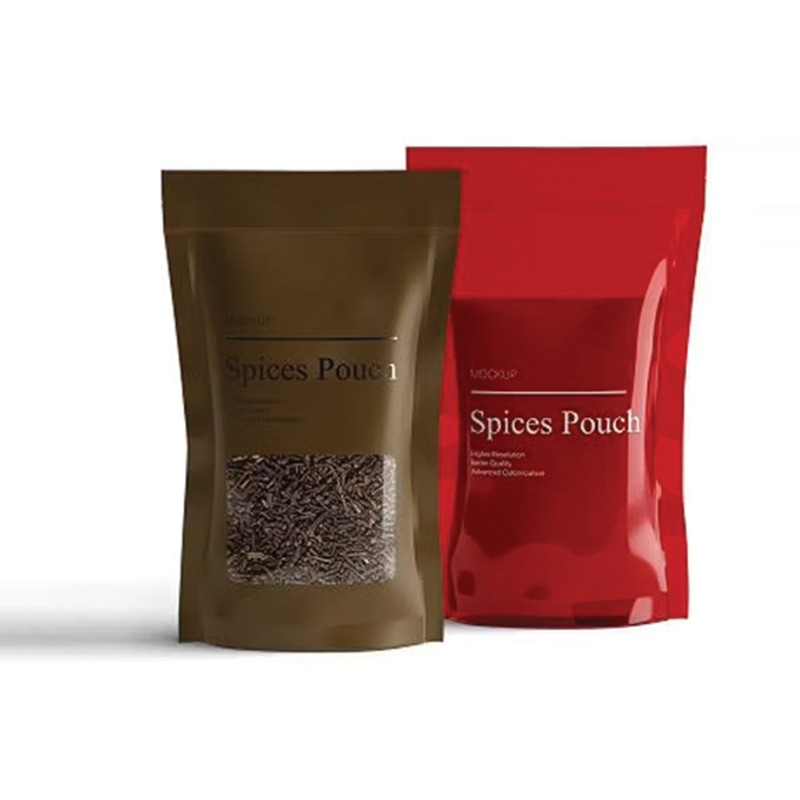
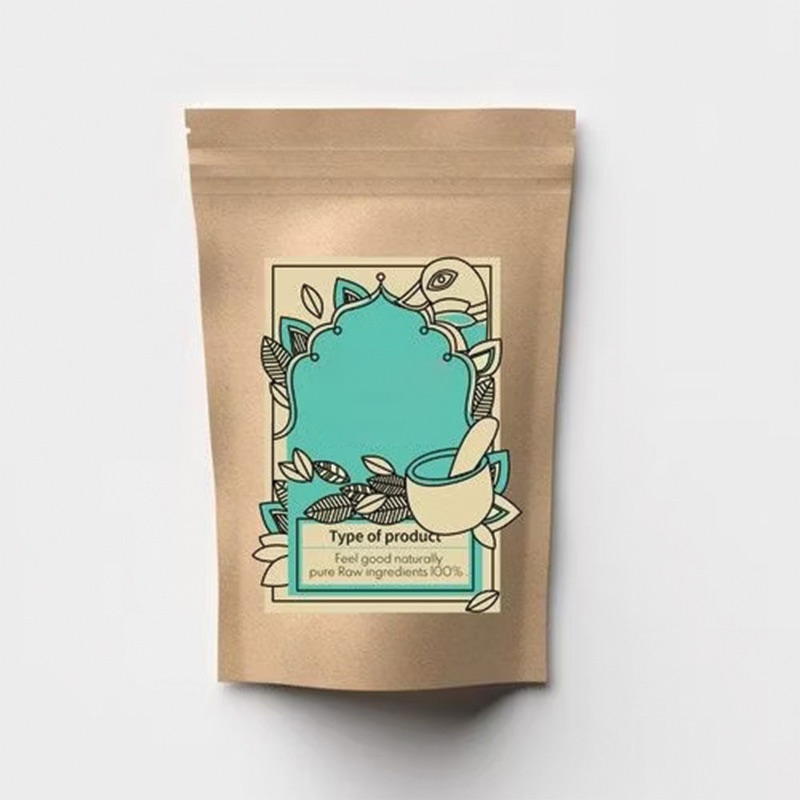


Spices Are Strong, Light and Easy to Spoil
Spices are among the most aromatic things you can package, and that aroma is what customers pay for. Ground spices lose their punch faster than whole ones once air, light and warmth get at them, and a strong blend such as garlic pepper will happily scent everything stored next to it. Custom spice bags hold small, valuable quantities, carry a lot of label information and, in the right build, help keep the smell in the bag rather than in the stockroom.
Spice bags are bought by small spice companies, specialty food shops repacking bulk spices, barbecue rub makers, Indian, Middle Eastern, Caribbean and Latin grocers, tea and spice shops, farmers market herb growers, restaurants that sell their house seasoning, and meal-kit companies sending pre-measured portions. Spice envelopes, small flat pouches for single-recipe amounts, are popular for samplers and subscription boxes.
There is a second meaning worth mentioning, since it appears in searches here. In Ireland, a "spice bag" is a takeaway dish of fries, crispy chicken, peppers and onions tossed in spice mix and served in a paper bag. If that is what you are packaging, the right bag is closer to a grease-resistant takeout bag than a retail spice pouch; tell us when you request a quote.
Material and Closure Options
This product is listed in several builds, from plain kraft to laminated barrier film and foil-lined pouches. The right one depends on how fine the spice is, how long it sits on a shelf and whether customers will open it many times.
| Build | Best for | Closure |
|---|---|---|
| Kraft paper | Whole spices and dried herbs used soon | Fold seal or adhesive strip |
| Kraft laminated paper | Ground spices with a natural look | Resealable strip or zip lock |
| Laminated barrier film | Chili powder, curry blends, fine rubs | Heat seal plus zip lock |
| Foil-lined pouch | Saffron and specialty gift blends | Heat seal with tear notch |
| Stand-up pouch film | Larger refill sizes on a shelf | Slider seal |
Fine powders like paprika and turmeric stain and dust through plain paper, so a laminated or film build is the safer choice. Whole cumin seed, peppercorns and bay leaves are easier and look good behind a window in kraft. Food-contact materials meet FDA requirements, and eco-friendly paper builds are available.
Size the bags around how people cook. Most home cooks use a spice a teaspoon at a time, so small bags that will be used up in a few months suit ground spices best, and the spice is fresher by the last spoonful. Whole spices keep their character longer and can go in larger bags. Barbecue rubs and seasoning blends used by the handful on briskets and ribs sell well in bigger refill pouches. Offering two sizes of your best sellers lets light users and serious cooks both find the right one.
Labels, Colors and Small-Print Clarity
Spice bags are small, yet they carry a lot of text: the spice name, the origin, the net weight, ingredients for a blend and perhaps a use suggestion. Plan the layout so the spice name is the biggest word on the bag and the brand sits above it. Everything else goes on the back.
- Use the spice itself as the color guide: a paprika-red band, a turmeric-gold band. Match it with PMS (Pantone).
- A narrow window shows the color and grind, which matters to serious cooks.
- Keep ingredient text at a size people can read without squinting; spice buyers do read it.
- A matte finish suits spice brands and stays readable in kitchen light.
- Print one master bag and add flavor labels if you carry a wide range.
Shops that sell loose tea next to their spices can use the same layout and colors on custom printed loose tea bags, giving the shelf one clear brand.
Filling and Storing Spice Bags
Fill spices in a separate area from other products if you can, with a small funnel or scoop. Powders drift, and dust in the seal area weakens heat seals and zip closures, so wipe the top clean before sealing. Weigh each bag, seal it, then label.
Store filled bags in a cool, dark place away from the stove and windows. Light fades colorful spices like paprika over time. Keep strong blends in a closed carton so their smell doesn't travel into milder herbs. If a restaurant sells its house rub to diners, a basket of sealed bags at the host stand sells well. For bulk herbs and grains sold in larger portions, plain custom kraft food bags suit a lower-cost refill option.
Steps to Order Spice Packaging
- List your spices and blends with the weight you sell of each.
- Choose a build and closure for powders and another for whole spices if needed.
- Gather your logo, spice names, net weights and ingredient text.
- Request free samples and fill them with your finest powder.
- Approve the proof; production takes 4 to 6 business days after approval.
Orders start at 100 bags per design with lower prices on larger runs. Free design help and shipping to the USA, Canada, the UK and Australia are included. Share your list through our free spice bag quote request.






Reviews
There are no reviews yet.