


 Ice Cream Cone Sleeves
 Waffle Cone Sleeves
 Ice Cream Cone Wrappers
 Crepe Cone Packaging
 Sugar Cone Sleeves
 Custom Printed Coffee Sleeves
 Cake Cone Sleeves
 Cardboard Cone Sleeves
 Black Cone Sleeve
 Child Size Waffle Cone Sleeves
 Paper Cone Sleeves
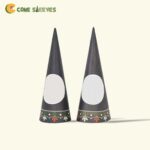 Small Cone Sleeves
 Eco-Friendly Cone Sleeves
 Aluminum Foil Cone Sleeves
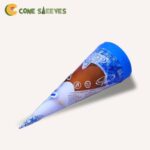 Two Color Cone Sleeves
 White Cone Sleeve
 Polka Cone Sleeves
 Abstract Cone Sleeves
 Rolled Cone Sleeves
 Chicken Cone Sleeves
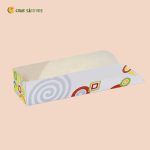 Custom Waffle Trays
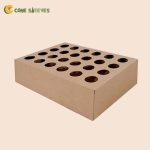 Ice Cream Cone Holder
 Paper Mache Cones
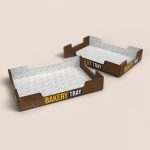 Custom Bakery Trays
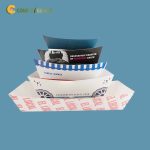 Custom Cardboard Food Trays
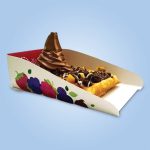 Custom Dessert Trays
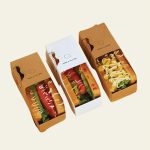 Custom Hot Dog Trays
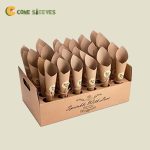 Ice Cream Cone Tray
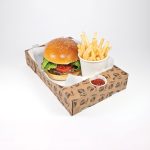 Custom Burger Trays
 Custom Combo Meal Trays
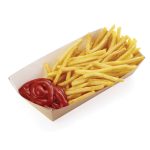 Custom Fries Trays
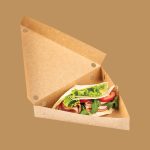 Custom Crepe Trays
 Burger Sleeves
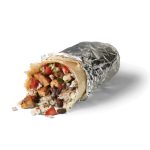 Custom Burrito Sleeves
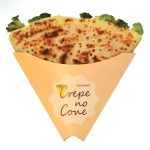 Custom Crepe Sleeves
 Custom Dessert Sleeves
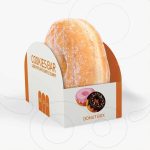 Custom Donut Sleeves
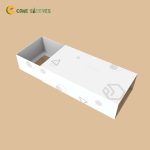 Custom Tray And Sleeves
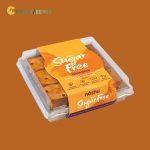 Food Sleeves
 Chocolate Bar Sleeve Packaging
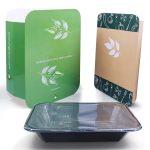 Custom Bento Sleeves
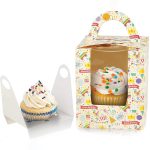 Custom Cupcake Sleeves
 Custom Die-Cut Sleeves
 Custom Hot Dog Sleeves
 Custom Cold Drink Sleeves


Food in a cup, served by the hundred
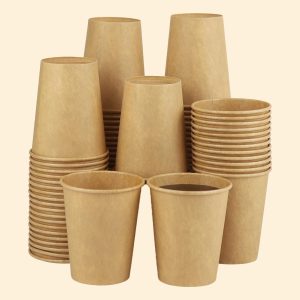
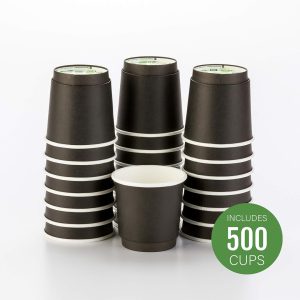
Paper serving cups hold food rather than drink: a scoop of mac and cheese at a barbecue, a cup of chili at a tailgate, fruit salad on a brunch buffet, a layered parfait at a corporate breakfast, banana pudding at a church supper, mashed potatoes on a food court tray. They come in sizes from 2 to 16 oz and are the cup of choice for caterers, event planners, delis, food courts, school cafeterias and dessert shops that need to serve individual portions quickly and neatly.
Serving cups solve a real catering problem. Plates need a table and cutlery; a cup can be handed to a guest standing up, eaten with one spoon, and dropped in a bin. For cocktail-style receptions, a row of small filled cups looks generous and organized. For lunch lines, a stack of cups makes portioning sides almost automatic.
Course-by-course sizing
| Course | Example | Cup size |
|---|---|---|
| Passed appetizer | Shrimp cocktail, gazpacho, layered dip with a chip | 2 to 4 oz |
| Side dish | Coleslaw, baked beans, potato salad | 4 to 6 oz |
| Hot side | Mac and cheese, mashed potatoes, grits | 6 to 8 oz |
| Small meal | Chili, stew, rice bowl | 8 to 12 oz |
| Dessert | Pudding, trifle, ice cream, cobbler | 4 to 8 oz |
| Shareable snack | Popcorn, mixed nuts, snack mix | 12 to 16 oz |
For finger foods eaten without a spoon, like fries or nuggets, a cup designed for grease and grabbing works better. See our grease-resistant paper snack cups for that.
Individual appetizer cups for events
Individual appetizers served in cups have become a catering staple, and the search interest shows it. They work because they solve hygiene, portion and presentation in one move: no shared dip bowl, a set amount per guest, and a neat grid on the table. A few ideas that work in small serving cups:
- A spoonful of hummus with a carrot and cucumber stick standing in it.
- Shrimp cocktail with the shrimp hooked over the rim.
- Seven-layer dip with a tortilla chip.
- Caprese skewer resting on a little balsamic.
- Chilled soup shooters in summer, hot soup sips in winter.
- Mini parfaits of yogurt, granola and berries for breakfast events.
Choose a cup with a straight or slightly flared wall so food can be layered and seen from the side, and pick a size that holds two or three bites, not a meal.
Hot food, cold food and board choices
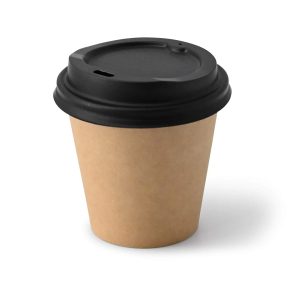
Serving cups use food-grade paper, white SBS, kraft or coated board from 230 to 300 gsm. Heavier board stays firm with hot, wet food like chili or mac and cheese, and resists the softening that comes with steam. For greasy foods, a grease-resistant coating stops oil spots from showing on the printed outside. For cold desserts, the inner coating keeps moisture from soaking in while cups sit on ice. Lids keep hot food warm in transit and keep chilled cups clean in the cooler.
Food safety rules still apply to food in cups. Keep hot food hot and cold food cold, and do not leave filled cups out on a buffet for long. Small portions cool and warm faster than a big pan, which is good for chilling but means hot dishes need to be served quickly. Smaller batches, refreshed often, look better and stay safer.
Kraft board gives a rustic, barbecue or farm-to-table look; white board makes colors and food photos pop. Recyclable and biodegradable options are available.
Printing for catering and events
Printed serving cups work as branding and as signage. A caterer can print their logo; a wedding can print the couple's initials; a food court stall can print the dish name. Color-coding by course or allergen (green for vegan, for example) helps guests choose without asking. PMS keeps your colors exact; CMYK handles full-color artwork. Matte suits upscale events and photographs well; gloss looks bright and wipes clean on a busy buffet line. Gold or silver foil on a logo is a nice touch for weddings and galas.
One more tip for planners: place a small printed card or a cup with the dish name at the front of each row. Guests choose faster when they know what is in the cup, the line moves, and fewer half-eaten cups get left behind because someone guessed wrong. Printed serving cups with the dish name on the wall do the same job without a separate card.
Serving and handling tips
Fill cold cups in the kitchen and transport them on lidded sheet trays. For hot items, fill as close to service as possible and hold in a warmer only briefly. On the buffet, set cups in a single layer on a tray, with spoons standing in a separate cup beside them. Keep a full backup tray behind the table. For outdoor events, lids keep insects and dust out. If guests are also served on trays, pairing cups with custom printed snack trays lets them carry a cup and a few finger foods together.
Ordering serving cups
- Plan your menu and assign a cup size to each item.
- Choose board, coating and whether you need lids.
- Send your logo or theme, or ask for free design help.
- Estimate guest numbers and choose quantities from 100 cups per size.
- Approve the proof. Production takes 4 to 6 business days, with rush options for event dates.
Free samples are available, and shipping is free to the USA, Canada, the UK and Australia.


Reviews
There are no reviews yet.