


 Ice Cream Cone Sleeves
 Waffle Cone Sleeves
 Ice Cream Cone Wrappers
 Crepe Cone Packaging
 Sugar Cone Sleeves
 Custom Printed Coffee Sleeves
 Cake Cone Sleeves
 Cardboard Cone Sleeves
 Black Cone Sleeve
 Child Size Waffle Cone Sleeves
 Paper Cone Sleeves
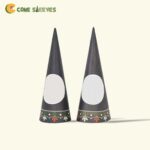 Small Cone Sleeves
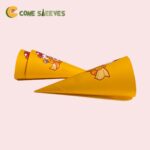 Eco-Friendly Cone Sleeves
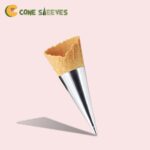 Aluminum Foil Cone Sleeves
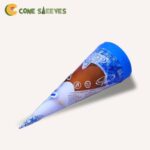 Two Color Cone Sleeves
 White Cone Sleeve
 Polka Cone Sleeves
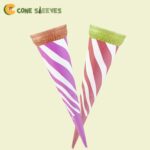 Abstract Cone Sleeves
 Rolled Cone Sleeves
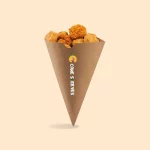 Chicken Cone Sleeves
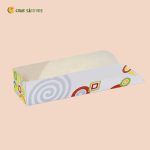 Custom Waffle Trays
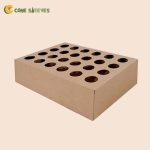 Ice Cream Cone Holder
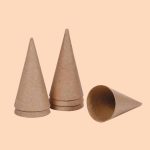 Paper Mache Cones
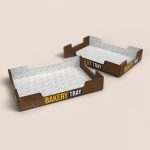 Custom Bakery Trays
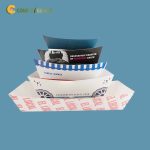 Custom Cardboard Food Trays
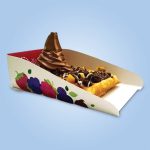 Custom Dessert Trays
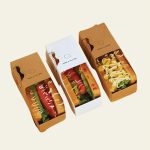 Custom Hot Dog Trays
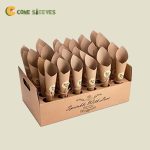 Ice Cream Cone Tray
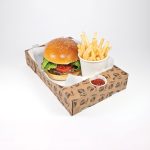 Custom Burger Trays
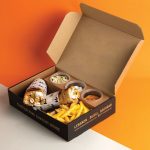 Custom Combo Meal Trays
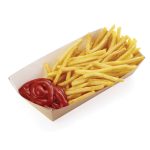 Custom Fries Trays
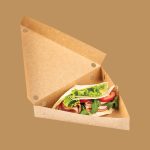 Custom Crepe Trays
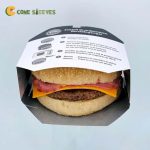 Burger Sleeves
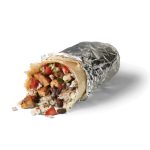 Custom Burrito Sleeves
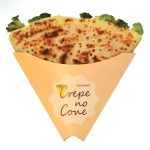 Custom Crepe Sleeves
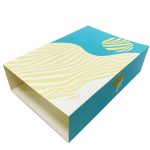 Custom Dessert Sleeves
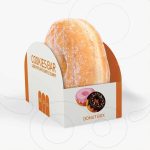 Custom Donut Sleeves
 Custom Tray And Sleeves
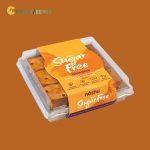 Food Sleeves
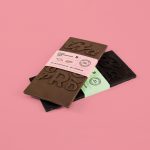 Chocolate Bar Sleeve Packaging
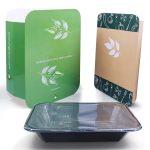 Custom Bento Sleeves
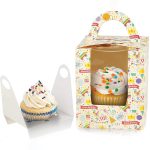 Custom Cupcake Sleeves
 Custom Die-Cut Sleeves
 Custom Hot Dog Sleeves
 Custom Cold Drink Sleeves


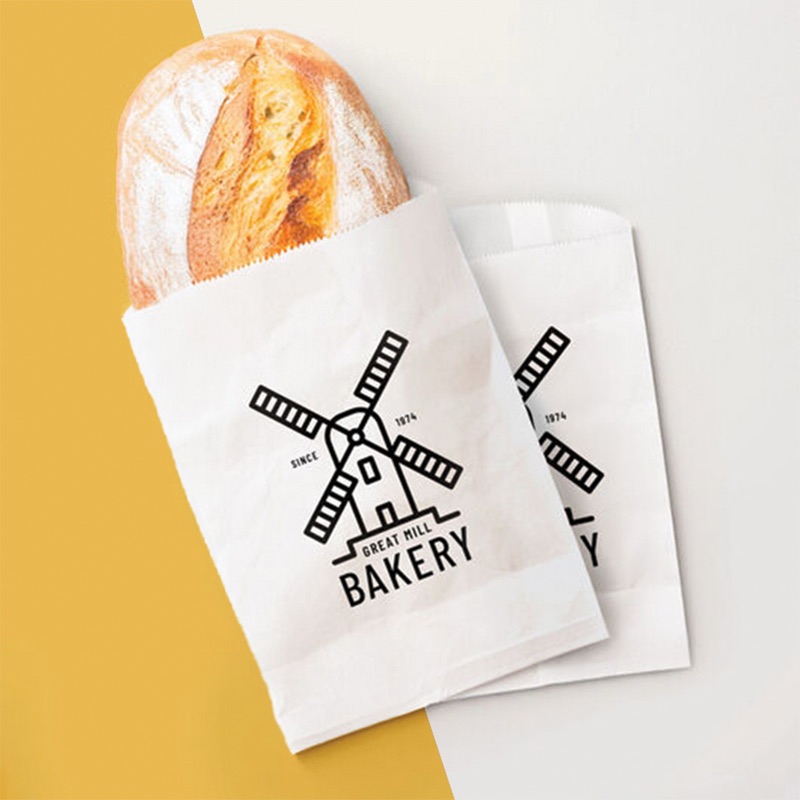
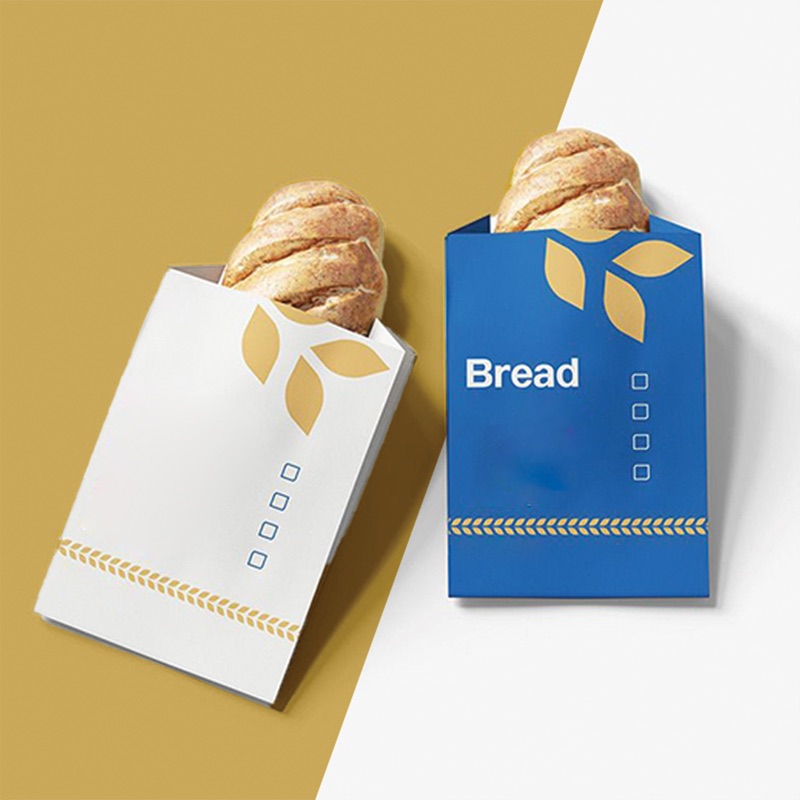
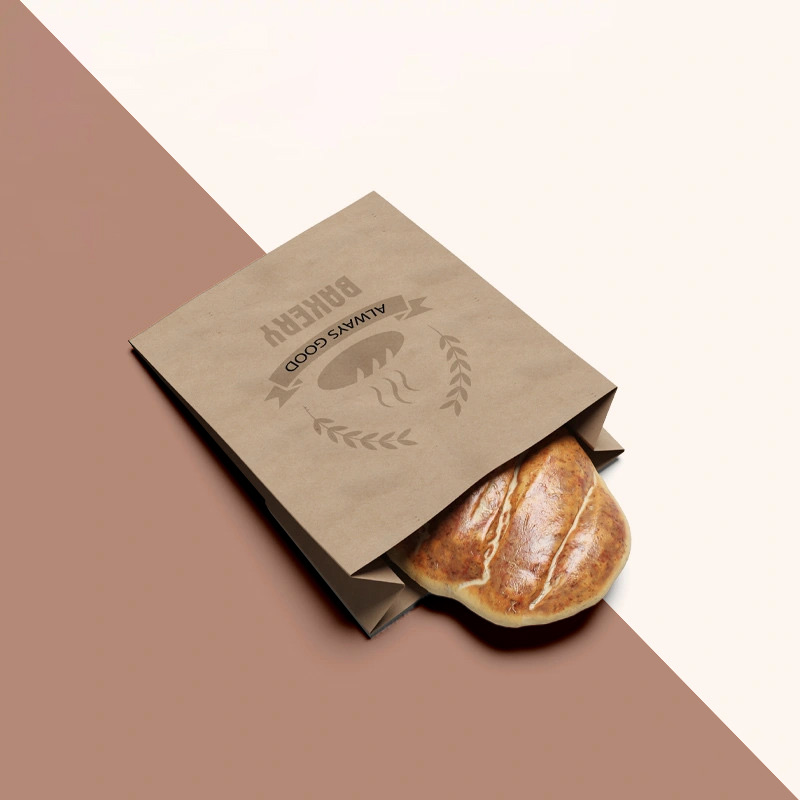


A Bag That Respects the Crust
Bread is the one bakery item that changes by the hour. A sourdough boule pulled from the oven at six in the morning has a crackling crust that softens the moment it sits in a sealed plastic sleeve, and a baguette sold at noon is judged by how it snaps at dinner. Custom bread bags exist for that window between your bench and the customer's kitchen. Paper lets steam escape from a loaf that is still a little warm, so the crust stays dry rather than turning leathery, and it gives you a printed surface that goes home with every loaf.
The bakeries that order these are easy to picture: a neighborhood shop with a wall of rustic loaves, a farmers market stand that sells out of country bread by eleven, a café that bakes its own focaccia, a grocery bakery section that wants its in-house loaves to look different from the packaged shelf bread two aisles over. Restaurants that send diners home with a half loaf of house bread use them too, and so do wholesale bakers dropping rolls at a sandwich shop.
What a paper bread bag is not built for is a soft sliced sandwich loaf meant to stay squishy for a week on a kitchen counter. That job belongs to a sealed bag. If your range is mostly crusty, hearth-baked bread eaten within a day or two, paper is the honest choice, and many bakers simply print a short line on the bag telling customers how to store the loaf at home.
Matching the Bag Shape to the Bread
Most of the decisions come down to shape. Long, narrow bags suit baguettes and batards; wider bags with a side gusset open up to take a round boule or a stack of rolls without crushing the top. Before you ask for a quote, put your three best sellers on the counter, measure them, and add room for the hand that slides them in. A bag that fits too tightly tears at the seam during a rush, and a bag that is far too big makes a small loaf look lost.
| Bread on your counter | Bag style that suits it | Detail worth asking for |
|---|---|---|
| Baguette, ficelle, batard | Tall, narrow flat bag | Open top so the heel can stick out |
| Round boule or miche | Wide bag with side gusset | Heavier kraft for dense rye and whole grain |
| Pan loaf or brioche | Gusseted bag sized to the tin | Window so the shape and color show |
| Dinner rolls by the half dozen | Short gusseted bag | Fold-over top that holds closed |
| Focaccia or flatbread slabs | Wide flat bag | White paper so oil marks read less |
On stock: natural brown kraft looks right next to rustic loaves and hides flour dust and fingerprints. White paper makes colors brighter and suits patisserie-style brioche and milk bread. Both come from food-contact paper that meets FDA requirements, and recyclable options are available if your customers ask.
Printing a Bread Bag People Keep
A bread bag gets folded over, tucked under an arm and carried through a market, so the print should still read when the top third is creased shut. Put your bakery name low and center, not right at the opening. One- or two-color designs in CMYK or a matched PMS (Pantone) shade look clean on kraft; a full photographic design is better saved for white paper, where the ink sits on a bright surface instead of soaking into brown fiber.
Search traffic for this page shows a lot of interest in a bread bag with a side window. A die-cut window, or one backed with a PVC film, lets a customer see the scoring pattern on a boule or the crumb of a seeded loaf without opening the bag. Keep the window off the area where hands grip, and leave enough paper around it so the bag keeps its strength. If you already wrap sandwiches in branded paper, you can carry the same artwork across to your custom sandwich wrapping paper so the whole counter matches.
- Use soy- or vegetable-based inks on kraft for a softer, natural look.
- Print a small storage tip near the base, such as keeping the loaf cut side down.
- Add a pattern repeat instead of a single logo if the bag will be seen from both sides on a shelf.
- Keep fine type above 7 or 8 points; kraft fiber blurs hairlines.
- Save gold foil or embossing for holiday loaves and gift bread, where the extra step pays back.
On the Bakery Floor
Let loaves cool for a while before bagging if you can. A loaf that goes straight from the rack into paper will still breathe, but stacking warm bags on top of each other traps heat and softens the crust you worked for. Keep flat bags in a dry spot away from the proofer and the dish sink, because damp paper loses stiffness and tears more easily at the gusset.
For sliced loaves, a twist of tape or a printed sticker across the fold keeps slices from sliding out. For market stalls, stand a few filled bags in a basket with the print facing out; a line of matching bags reads as a brand from across the aisle. Pastries that travel with the bread are better in their own smaller bag, and our custom printed pastry bags for croissants are made for exactly that, so butter from a croissant doesn't spot your sourdough bag.
How to Order Your Bread Bags
- Measure your main loaves and note how many of each you sell in a week.
- Pick kraft or white paper and decide whether you want a window.
- Send your logo as a vector file (AI, EPS, SVG or a high-resolution PDF), plus any Pantone colors you use.
- Ask for a free sample or prototype to test with real loaves on a busy morning.
- Approve the proof; production takes 4 to 6 business days after approval, with rush options if a market season is close.
The minimum is 100 bags per design, so a small bakery can test one size before committing to a full range, and larger runs get volume discounts. Shipping is free to the USA, Canada, the UK and Australia. If you do not have artwork yet, our free design help can turn a hand-drawn logo into print-ready files. You can start the process with a free bread bag quote request.
Sizing Custom Printed Bread Bags From Your Own Loaves
The most common reorder we see on custom printed bread bags is not a design change. It is a size change, because the first bag was picked from a list instead of from the loaf. A loaf is a three-dimensional object, and a flat bag has to wrap around its height as well as its width. Here is the simple arithmetic bakers use to get it right the first time.
The sizing rule of thumb
| Bag dimension | Flat bag | Gusseted bag |
|---|---|---|
| Width (face) | Loaf width + loaf height + about 1 inch | Loaf width + about 1/2 inch |
| Gusset | None | Close to the loaf height |
| Length | Loaf length + loaf height + 2 to 3 inches to fold | Loaf length + 2 to 3 inches to fold |
Measure at the widest and tallest points, which on an oven-sprung boule or a seeded batard can be well above the size the dough was shaped to. Measure a loaf from a good bake, not a flat one. For baguettes you often skip the fold allowance on purpose, since the heel standing proud of the bag is part of the look.
One bag that covers several breads
Few small bakeries want six sizes. A practical range is two or three bags:
- A long, narrow bag for baguettes, ficelles and long batards.
- A wide gusseted bag sized to your biggest round, which also takes a pan loaf on its side.
- A short bag for rolls, bagels or a half loaf.
Run all three with the same artwork, so a customer sees one brand whichever bread they buy. Each size is its own design for ordering, with 100 bags as the starting quantity.
Personalized bread bags for gifts and small runs
Not every buyer is a full-time bakery. Cottage bakers selling from home, sourdough hobbyists who give loaves at the holidays, and restaurants that send a half loaf home with each table all order personalized bread bags in short runs. For these, a name, a date or a single line such as "baked this morning" often does more than a full logo. Keep in mind that a hand-delivered gift loaf is usually eaten within a day, so paper is the right material.
If you also sell the flour you bake with, our printed paper flour bags for mills can carry the same design, which works well at markets where the loaf and the bag of flour sit side by side. Production runs 4 to 6 business days after you approve the proof, and free samples let you test the size with a real loaf first.

Reviews
There are no reviews yet.