



 Ice Cream Cone Sleeves
 Waffle Cone Sleeves
 Ice Cream Cone Wrappers
 Crepe Cone Packaging
 Sugar Cone Sleeves
 Custom Printed Coffee Sleeves
 Cake Cone Sleeves
 Cardboard Cone Sleeves
 Black Cone Sleeve
 Child Size Waffle Cone Sleeves
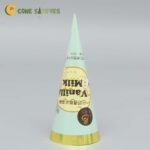 Paper Cone Sleeves
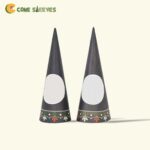 Small Cone Sleeves
 Eco-Friendly Cone Sleeves
 Aluminum Foil Cone Sleeves
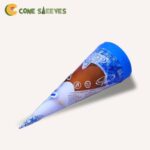 Two Color Cone Sleeves
 White Cone Sleeve
 Polka Cone Sleeves
 Abstract Cone Sleeves
 Rolled Cone Sleeves
 Chicken Cone Sleeves
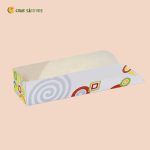 Custom Waffle Trays
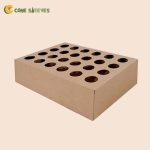 Ice Cream Cone Holder
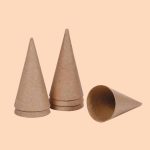 Paper Mache Cones
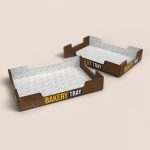 Custom Bakery Trays
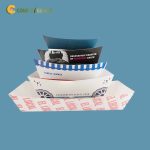 Custom Cardboard Food Trays
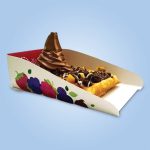 Custom Dessert Trays
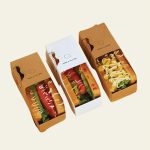 Custom Hot Dog Trays
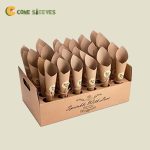 Ice Cream Cone Tray
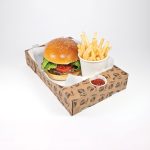 Custom Burger Trays
 Custom Combo Meal Trays
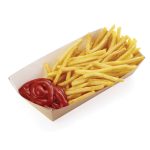 Custom Fries Trays
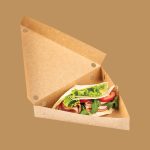 Custom Crepe Trays
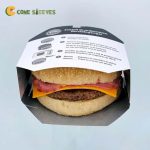 Burger Sleeves
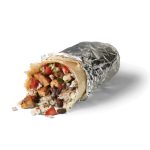 Custom Burrito Sleeves
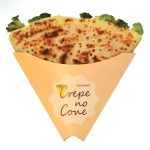 Custom Crepe Sleeves
 Custom Dessert Sleeves
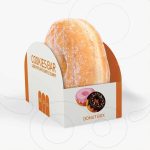 Custom Donut Sleeves
 Custom Tray And Sleeves
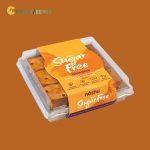 Food Sleeves
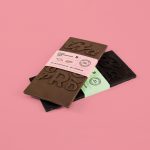 Chocolate Bar Sleeve Packaging
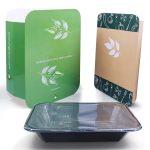 Custom Bento Sleeves
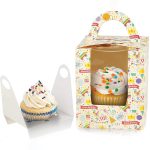 Custom Cupcake Sleeves
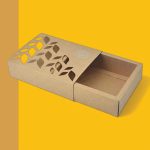 Custom Die-Cut Sleeves
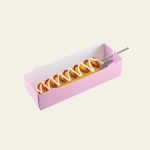 Custom Hot Dog Sleeves
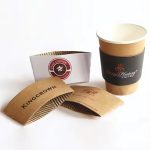 Custom Cold Drink Sleeves


Flour Bags for Mills, Bakeries and Specialty Grain Brands
Flour is fine, dusty and heavy for its size. It finds every gap in a seam, it soaks up smells from whatever is stored nearby, and a bag that looks fine empty can split along the bottom when a full one is dropped onto a pallet. Custom flour bags are built around those facts first and branding second, then printed with your mill name, the grain, the grind and the weight so they sell themselves on a shelf.
The buyers are a practical group. Small stone mills grind heritage wheat, rye and spelt for local bakers and home cooks. Farms sell their own cornmeal and grits at markets. Bakeries portion their house flour blend or pizza flour for customers who want to bake at home. Specialty brands sell gluten-free blends, almond flour, masa harina and pancake mixes, and food co-ops repack bulk flour into smaller printed bags.
Search interest on this page splits between people looking for flour bags wholesale and those after a printed paper flour sack. Both are covered here, from small retail packs to larger bulk bags, in paper and in laminated or film builds where the product calls for one.
Choosing a Build and a Closure
Retail flour in the US is mostly sold in 2 lb and 5 lb bags, with 10 lb and 25 lb bags for serious home bakers and food service, and larger sacks for bakeries. A small mill often starts with one retail size and one bulk size. The bigger the fill, the more the bag's base and closure matter, so heavier bags usually move from a simple folded top to a sewn or stitched closure.
| Bag build | Good for | Closure options |
|---|---|---|
| Kraft paper | Retail wheat and baking flour | Fold seal, adhesive strip |
| Thick or reinforced kraft | Heavier fills and bulk bakery flour | Sewn or stitch closure |
| Laminated paper | Fine powders that dust through plain paper | Heat seal |
| Barrier film pouch | Nut flours and specialty blends with oils | Heat seal with zip lock |
| Multi-layer pouch | Mixes that must stay dry in humid kitchens | Heat seal, resealable zip |
Nut and seed flours contain oil and can turn rancid faster than wheat flour, so they suit a lined pouch with a resealable zip rather than plain paper. Whole wheat flour also contains the oily germ, which is why many millers recommend storing it cool. If you mill whole grain, a printed storage tip on the back is helpful to customers. All food-contact materials meet FDA requirements.
Print and Label Layout for Flour
Flour shoppers scan for the grain and the protein level or intended use: bread flour, all-purpose, pastry, pizza. Put that in large type below your brand name. The back of the bag is valuable space for a recipe, a note about the farm or the mill, and the nutrition panel. Many small mills print one design per flour type at 100 bags each; others print one master bag and add a variety sticker.
- Kraft with one or two PMS (Pantone) colors gives the classic mill-sack look and keeps setup simple.
- Matte finishes hide the dusty fingerprints that every flour bag collects.
- A small window lets buyers see coarse cornmeal or a speckled whole wheat; it's less useful for white flour.
- Soy- or vegetable-based inks suit a natural-food brand.
- Keep the net weight in a fixed spot so you can change it with a sticker if you add a size later.
If you sell baked goods next to the flour, the same artwork can go on printed bread bags for your loaves, so a customer who buys a loaf and a bag of the flour it came from sees one brand.
Filling, Sealing and Storing
Fill flour bags away from the printing side of your work area, as dust settles on everything. Tap the bag gently on the bench as you fill so the flour settles, then fold or seal with the top clean. Dust left in the seal area weakens heat seals and adhesive strips. Wipe it off with a dry brush before closing.
Keep empty bags and filled stock off the floor, in a cool, dry room away from spices, coffee and cleaning products, all of which flour can pick up. Stack filled bags flat rather than standing in tall columns, and rotate stock so the oldest milling date sells first. For markets, a crate of bags lying face up shows the label far better than bags stood on end. Matching scoops of grain sold loose can go home in simple custom kraft food bags printed with the same logo.
Ordering Steps
- Choose your fill weights and the flours that will go in each size.
- Pick a build from the table and a closure that suits your filling method.
- Prepare your artwork: brand, flour names, net weights and any nutrition text.
- Request a free sample and fill it with your own flour to check fit and closure.
- Approve the proof; production takes 4 to 6 business days after approval.
Minimum order is 100 bags per design, and volume discounts apply to larger runs. Free design help, free samples and free shipping to the USA, Canada, the UK and Australia are part of every order. Send your sizes and files via the flour bag quote request.
Wholesale Flour Bags: Fill Volume and Retail Labeling
If you buy flour bags wholesale for more than one product, the first surprise is usually that a pound of flour is not a fixed amount of space. A bag sized perfectly for 5 pounds of all-purpose can bulge when filled with 5 pounds of almond flour and look half empty with cornmeal. Planning a paper flour bag range around volume, not just weight, keeps every bag on your shelf looking full and closing cleanly.
How much room different flours take
| Product | Space per pound compared with all-purpose | What to do |
|---|---|---|
| All-purpose and bread flour | Baseline | Size your standard bags to this |
| Whole wheat and rye | Slightly more | Same bag usually works; check the fold |
| Almond and other nut flours | Noticeably more | Step up a size or fill a smaller weight |
| Cornmeal and semolina | Less | Fold down more, or use a shorter bag |
| Pancake and baking mixes | Varies with the recipe | Test-fill before ordering |
The quickest check is to fill a free sample bag on a scale with each product, mark the fill line and fold it closed. If the fold sits right over your printed name, change the size before you print.
What a retail flour bag needs on it
Flour sold on a store shelf is packaged food, and US labeling rules apply to it. Check the current FDA requirements for your product, but most mills plan for these:
- The product name and your business name and address.
- Net weight in both pounds and grams, placed in the lower part of the front panel.
- An ingredient list and, unless you qualify for a small-business exemption, a Nutrition Facts panel.
- Allergen statements where they apply, such as wheat, or tree nuts for almond flour.
- A lot code or milling date, so you can trace a batch if a customer calls.
Grocery and co-op buyers will often ask for a UPC barcode too. Keep it on a flat back panel, away from the gusset and the fold, so it scans.
Ordering for several flours
The cheapest way to cover a range is one printed design per bag size, with the flour name and lot details on a sticker. Brands with three or four core flours usually print each one separately, in runs of 100 bags or more, and use stickers only for limited runs. For whole spices, seed blends or small seasoning packs sold next to your flour, look at our custom printed spice bags in matching artwork. Production takes 4 to 6 business days after proof approval.


Reviews
There are no reviews yet.