


 Ice Cream Cone Sleeves
 Waffle Cone Sleeves
 Ice Cream Cone Wrappers
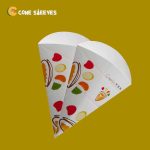 Crepe Cone Packaging
 Sugar Cone Sleeves
 Custom Printed Coffee Sleeves
 Cake Cone Sleeves
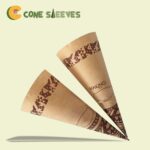 Cardboard Cone Sleeves
 Black Cone Sleeve
 Child Size Waffle Cone Sleeves
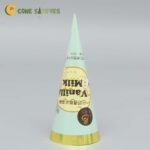 Paper Cone Sleeves
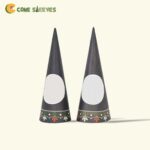 Small Cone Sleeves
 Eco-Friendly Cone Sleeves
 Aluminum Foil Cone Sleeves
 Two Color Cone Sleeves
 White Cone Sleeve
 Polka Cone Sleeves
 Abstract Cone Sleeves
 Rolled Cone Sleeves
 Chicken Cone Sleeves
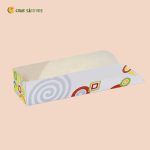 Custom Waffle Trays
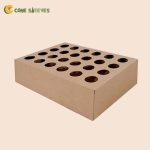 Ice Cream Cone Holder
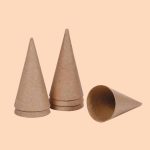 Paper Mache Cones
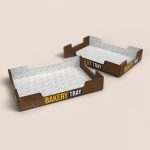 Custom Bakery Trays
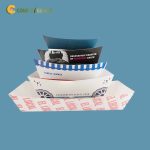 Custom Cardboard Food Trays
 Custom Dessert Trays
 Custom Hot Dog Trays
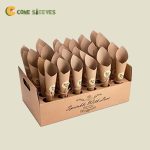 Ice Cream Cone Tray
 Custom Burger Trays
 Custom Combo Meal Trays
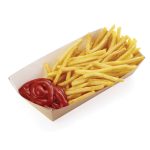 Custom Fries Trays
 Custom Crepe Trays
 Burger Sleeves
 Custom Burrito Sleeves
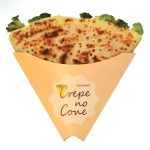 Custom Crepe Sleeves
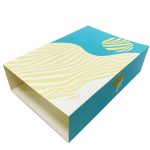 Custom Dessert Sleeves
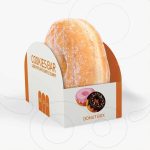 Custom Donut Sleeves
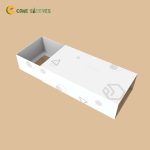 Custom Tray And Sleeves
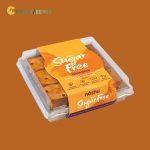 Food Sleeves
 Chocolate Bar Sleeve Packaging
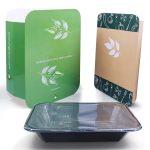 Custom Bento Sleeves
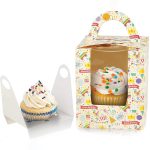 Custom Cupcake Sleeves
 Custom Die-Cut Sleeves
 Custom Hot Dog Sleeves
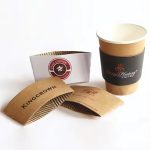 Custom Cold Drink Sleeves


What Makes a Paper Cup Greener, in Practical Terms
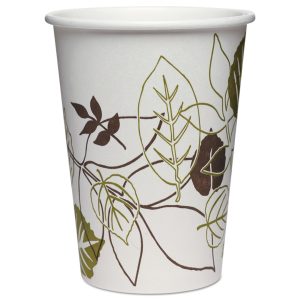
"Eco-friendly" on a cup can mean several different things, and buyers get better results when they know which one they are paying for. The paper itself can come from recycled fiber or from unbleached kraft. The thin lining that stops liquid soaking through can be a standard plastic film or a plant-based alternative. The inks can be soy- or vegetable-based. And the cup can be sized and printed so less of it gets thrown away half-used.
None of these makes a cup magic. What happens after use depends on local recycling and composting services, which vary a great deal from town to town. The honest approach is to choose the materials that best suit where your cups end up, and to tell customers plainly what to do with them.
Material Choices and Where Each One Fits
| Option | What changes | Good fit |
|---|---|---|
| Recycled board | Uses recovered paper fiber in the cup wall | Brands that want to show reuse of material |
| Natural kraft | Unbleached paper with a brown, fibrous look | Cafes and markets that want the look to match the message |
| White board with plant-based lining | Same bright print surface, different inner coating | Brands with colorful artwork that still want a lower-impact cup |
| Soy or vegetable inks | Printing ink made with plant oils | Any of the above, at no change in design |
| Plain, unprinted cups | No ink at all | Bulk buyers who add a sticker or stamp later |
People sometimes ask for unwaxed paper cups or cups with no coating at all. For anything liquid, some kind of inner barrier is needed, otherwise the paper softens and leaks within minutes. The choice is about which barrier, not whether to have one.
Plain Stock or Custom Printed?
Many cafe owners search for eco-friendly disposable cups that come in bulk, in both plain and customizable versions. Both routes are open here. Plain cups suit a new shop that is still settling on branding, or a caterer who serves many clients. Custom cups suit a business that wants every drink to carry its name and maybe a short line about the cup material.
If you print, keep the green message short and specific. "Made with recycled fiber" or "Printed with soy-based inks" means more to a customer than a vague leaf icon. A small QR code linking to your sourcing page works well too. Avoid claiming a cup is compostable at home unless you know it is, because customers will try it and notice.
To finish the set, our eco-friendly beverage sleeves in kraft pair well with single-wall cups and avoid the need for double cupping.
Reducing Waste Around the Cup
- Order the sizes you actually sell. Oversized cups used for small drinks waste paper and look half-empty.
- Use single-wall cups with a sleeve only on hot drinks; skip the sleeve for cold ones.
- Put clear bin signs near your counter that tell people where the cup and lid each go.
- Store cartons dry and flat so fewer cups get crushed and thrown out before use.
- Reorder smaller, more often, if your design changes with the seasons. Minimums start at 100.
If your ice cream or dessert business is going green too, our eco-friendly custom cone sleeves use similar materials.
Sizes, Walls and Drinks
Eco-friendly cups are available from 4 oz to 32 oz. Small 4 oz cups suit espresso, tastings and sample portions at a farmers market. The 8 oz, 12 oz and 16 oz sizes cover most coffee and tea menus. Larger 20 oz and 32 oz cups take iced drinks, smoothies and refills at events.
Wall type matters for comfort and for waste. A double-wall cup uses more paper than a single-wall one, but it removes the need for a sleeve or a second cup. For hot coffee to go, double wall is often the better choice overall. For cold drinks, single wall is enough. Ripple wall gives a textured grip and good insulation, and it suits kraft especially well because the ridges show off the natural fiber.
Print coverage plays a small part too. A cup with a simple one- or two-color logo uses less ink than a full wraparound design, and on kraft board a single dark ink often looks better anyway. You can compare options across our paper cup materials and stock options page.
Lids are worth a thought as well. A paper or fiber lid keeps the whole cup in the same material family, while a plastic lid may need a different bin. Tell customers which is which on a counter sign, and you will see fewer mixed bins at the end of the day. Cafes that serve mostly dine-in drinks sometimes skip lids for those orders entirely, which cuts waste without any change to the cup.
Lastly, measure what you use. Counting cups per week by size for a month tells you which sizes to order more of and which to drop, and that cuts more waste than any single material choice.
Getting Eco-Friendly Cups Made
- Tell us which matters most: recycled fiber, kraft look, lining type or ink type.
- Pick sizes from 4 oz to 32 oz and decide on single or double wall.
- Choose plain stock or send artwork for printing; design help is free.
- Check the proof and request a free sample to test with your drinks.
- Approve, and production runs 4–6 business days, with rush if needed.
Shipping is free to the USA, Canada, UK and Australia, and pricing falls as volume rises.

Reviews
There are no reviews yet.