What each material actually changes
Every cup in this collection is paper at heart. The difference is what has been done to that paper: left brown, coated with wax, treated as parchment, or made with recycling and end-of-life in mind. Those choices change three things you will notice in daily use: how the cup handles moisture and fat, how your print looks on it, and what your customer can do with it when they are finished.
So the useful question is not "which material is best" but "which problem am I solving". A bakery fighting butter stains needs something different from a juice bar that wants its cups to look as green as its menu.
The five materials compared
| Material | Feel and look | Handles moisture and fat | Print result | Good fit |
|---|
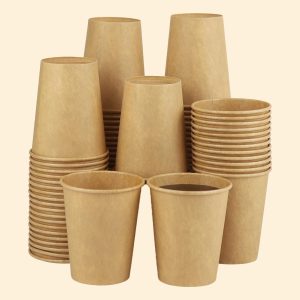
| Kraft | Brown, natural fiber, matte | Good with an inner barrier | Colors print darker; bold artwork works best | Roasters, farm-to-table cafes, smoothie bars |
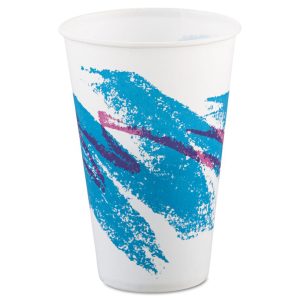
| Wax-coated | Smooth, slight sheen | Strong against water and grease | Bright on white stock | Cold foods, oily snacks, dips |
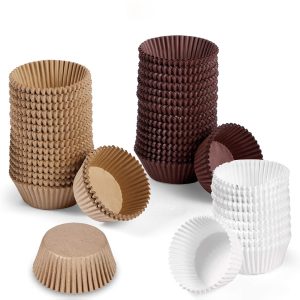
| Parchment | Thin, crisp, often pleated | Resists grease and oven heat | Simple logos and patterns | Muffins, cupcakes, baked portions |
| Recyclable | Clean white or kraft | Good with an inner barrier | Full color, sharp detail | Cafes and offices with recycling programs |
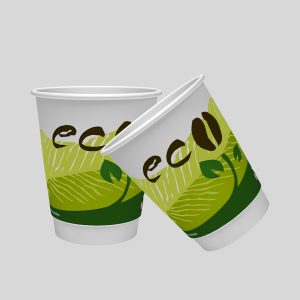
| Eco-friendly | Often kraft or natural white | Good with an inner barrier | Soy- or vegetable-based inks | Brands built on a sustainability message |
Kraft, white and the look of your print
White paperboard is a blank page: colors come out as designed, and fine text stays sharp. Kraft is a brown page. Ink sits on top of a tan background, so every color shifts darker and slightly warmer. Black, dark green, deep red and navy look excellent on kraft. Pastels, light grays and yellow tend to fade into it.
That is not a reason to avoid kraft, only a reason to design for it. Many coffee roasters choose kraft because the brown base says "real coffee" before anyone reads the logo, and a one- or two-color print in a dark ink looks deliberate rather than cheap. If you love kraft for coffee in particular, our printed kraft coffee cups are shaped for hot drinks with lids.
Wax and parchment: the moisture and grease specializts
Wax-coated cups
A wax coating fills the surface of the paper so water and oil bead up instead of soaking in. That makes custom wax paper cups a strong pick for cold salads, dips, cut fruit and oily snacks. Wax does not like heat, so keep these cups for cold or room-temperature food rather than hot coffee or soup.
Parchment cups
Parchment is treated to resist grease and handle oven temperatures, which is why bakers use it for muffin and cupcake liners. Parchment Paper Cups in this range suit baked portions, candy and chocolates, and they peel cleanly from a muffin. They are not drink cups. If you also wrap sandwiches or line baking trays, the same branding can carry onto our custom printed parchment paper sheets.
Recyclable and eco-friendly: what to check
Recyclable and Eco Friendly Paper Cups are where buyers most often want straight answers, so here are the plain points.
- Recycling depends on the facility. A paper cup that holds liquid needs an inner barrier, and whether the cup is accepted in a curbside bin depends on what the local facility can process. If you run a closed site such as an office, campus or stadium, check with your hauler.
- Ink counts too. Soy- and vegetable-based inks are available on every cup here and fit a greener story.
- Biodegradable options exist. We offer biodegradable stock for buyers who want the cup to break down rather than be recycled. Ask which cups and sizes are available in it.
- Say only what is true. Print the disposal message that matches the material you actually order. A cup that says "recycle me" in a city that cannot recycle it frustrates customers.
For a cup with the most direct recycling message, start with our recyclable custom printed paper cups and tell us where they will be used.
Designing for the material you chose
- On kraft, use dark inks and thick lines; skip hairline type and soft gradients.
- On wax-coated stock, keep designs simple and bold, since a sheen reflects light at some angles.
- On parchment, small repeating patterns or a single logo work better than full-coverage artwork.
- On recyclable and eco-friendly cups, give the disposal message its own clear spot so it is not lost in the logo.
- Matte, gloss and spot UV finishes are available on suitable stocks; foil looks striking on white and kraft, but ask us before adding it to a cup sold on a green message.
Our design team adjusts artwork for each material for free, and the step-by-step order form on this page lets you compare stocks and finishes as you build your request.
Matching material to the venue
The same coffee can go into very different cups depending on where it is served. A roaster's tasting bar might pour into kraft to match the burlap sacks behind the counter. A hospital cafe might want bright white cups that look clean and clinical. A university dining hall with its own recycling stream might choose recyclable cups and print the disposal instructions on the side.
Food follows the same logic. A farmers market stand selling cut fruit and salsa does well with wax-coated cups that shrug off juice. A bakery counter sells muffins in parchment cups and coffee in kraft, with the same logo on both. A juice bar that talks about cold-pressed, local ingredients usually wants eco-friendly cups so the packaging does not contradict the menu board.
If you are not sure which material your customers will notice, try two for a week. Put a stack of each on the counter and watch which one staff reach for and which one customers comment on.
How to choose and order
- Name the hardest thing the cup must handle: hot liquid, cold water, grease, or oven heat.
- Cross off materials that cannot handle it, using the table above.
- From what is left, pick the look that fits your brand: kraft for natural, white for bright, recyclable or eco-friendly for a green message.
- Request free samples of two materials and test them with your real food or drink for a full shift.
- Send your logo, approve the proof and order from 100 units, with lower unit prices on larger runs.
- Expect production in 4 to 6 business days after approval, with rush options and free shipping to the USA, Canada, the UK and Australia.
If the material is settled and you are now choosing a shade, the colored paper cups collection shows solid-color options that pair well with kraft and white.


 Ice Cream Cone Sleeves
 Waffle Cone Sleeves
 Ice Cream Cone Wrappers
 Crepe Cone Packaging
 Sugar Cone Sleeves
 Custom Printed Coffee Sleeves
 Cake Cone Sleeves
 Cardboard Cone Sleeves
 Black Cone Sleeve
 Child Size Waffle Cone Sleeves
 Paper Cone Sleeves
 Small Cone Sleeves
 Eco-Friendly Cone Sleeves
 Aluminum Foil Cone Sleeves
 Two Color Cone Sleeves
 White Cone Sleeve
 Polka Cone Sleeves
 Abstract Cone Sleeves
 Rolled Cone Sleeves
 Chicken Cone Sleeves
 Custom Waffle Trays
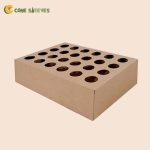 Ice Cream Cone Holder
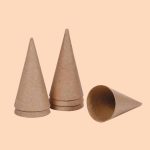 Paper Mache Cones
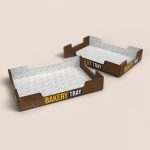 Custom Bakery Trays
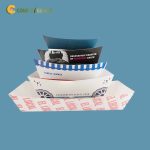 Custom Cardboard Food Trays
 Custom Dessert Trays
 Custom Hot Dog Trays
 Ice Cream Cone Tray
 Custom Burger Trays
 Custom Combo Meal Trays
 Custom Fries Trays
 Custom Crepe Trays
 Burger Sleeves
 Custom Burrito Sleeves
 Custom Crepe Sleeves
 Custom Dessert Sleeves
 Custom Donut Sleeves
 Custom Tray And Sleeves
 Food Sleeves
 Chocolate Bar Sleeve Packaging
 Custom Bento Sleeves
 Custom Cupcake Sleeves
 Custom Die-Cut Sleeves
 Custom Hot Dog Sleeves
 Custom Cold Drink Sleeves