Open scoop cup or lidded cup: which one you need
This range comes down to one practical question: does the ice cream get eaten at your counter, or does it leave the building? An open scoop cup is built for the next ten minutes. The customer takes it to a bench or a table, eats it with a spoon and throws the cup away. A cup with a lid is built for the car ride, the walk home or the freezer, so it has to seal, stack and survive a drop of a few degrees in temperature without the print smudging.
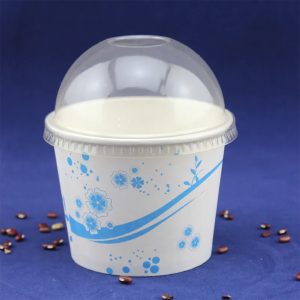
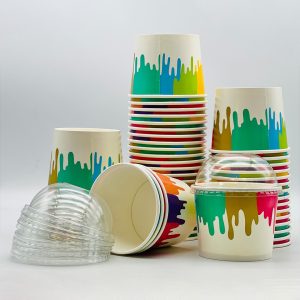
Most scoop shops need both. Open cups handle single and double scoops served on the spot. Ice cream paper cups with lids handle hand-packed pints, takeout orders and anything going into a delivery bag. If you only sell at events or from a cart, open cups may be all you need. If you sell pints to take home, lids are not optional, because a loose cup in a grocery bag is a mess on the car seat.
Sizing cups to your scoop
Match the cup to the scoop you actually serve. A small cup with a generous scoop looks abundant. The same scoop in a large cup looks stingy, even though the portion is identical. Many shops run a kids size, a single, a double and a take-home pint. In US terms a pint is 16 oz and a quart is 32 oz, which is why those are the two sizes customers recognize for hand-packed ice cream. Sizes can be made to order, so you can match a scoop you have already priced.
Ice cream cup options compared
| Option | Best for | Usual sizes | Things to plan |
|---|
| Open scoop cup | Scoop shops, gelato counters, fairs | Kids, single and double scoop sizes | Rim strength for a heaped scoop, spoon fit |
| Cup with lid | Takeout, delivery, hand-packed pints | Pint and quart, plus smaller takeaway sizes | Lid fit, freezer storage, labeling flavors |
| Small tasting or sample cup | Flavor tastings, sundae toppings, events | Very small portion sizes | Short print area, high quantities |
| Wide, shallow bowl-style cup | Sundaes, frozen yogurt with toppings | Medium to large | Room for toppings above the rim |
For topping bars and tasting flights, small portion cups often sit alongside the main range. Our printed paper portion cups are a good fit for sprinkles, sauces and sample spoons of a new flavor.
What cold does to the cup and the print
Ice cream is hard on paper in a quiet way. The cup comes out of a dipping cabinet or freezer, meets warm air and starts to sweat. Melting ice cream runs down the inside wall. A hand-packed pint sits in a home freezer for weeks. So the board has to have a moisture barrier on the inside and stay stiff when it is cold and damp, and the outside print needs a coating that won't scuff when cups rub against each other in a freezer.
Paperboard is the standard stock, with FDA-compliant food-contact linings on the inside. A gloss finish shrugs off condensation a little better and makes bright flavor colors look rich. Matte looks more upmarket and is popular with gelato shops, though it can show water marks briefly when the cup is wet. Spot UV on a matte cup gives you both: a soft cup with a shiny logo. Foil is possible for a premium pint, but keep it to the logo rather than large areas that get handled with cold, wet fingers.
If you care about disposal, recyclable and biodegradable options are available, and the print can use soy- or vegetable-based inks.
Design ideas for scoop shops and frozen dessert brands
- Print around the full wall. Customers turn a cup as they eat. A pattern that wraps the whole cup looks good from every angle, and the logo should repeat at least twice.
- Keep the top band clear. The first half inch under the rim gets covered by the scoop, drips and the customer's thumb. Put your logo lower down.
- Add a flavor checklist to pint cups. A printed list of flavors with tick boxes lets staff mark what's inside without a separate sticker. It helps in the freezer at home too.
- Print the lid as well. Pints are stored lid-up in a freezer, so the lid is what people see when they open the door.
- Use colors that look like your flavors. Pastel pinks, mint greens and creamy yellows feel like ice cream. Dark heavy colors can look out of place on a summer counter.
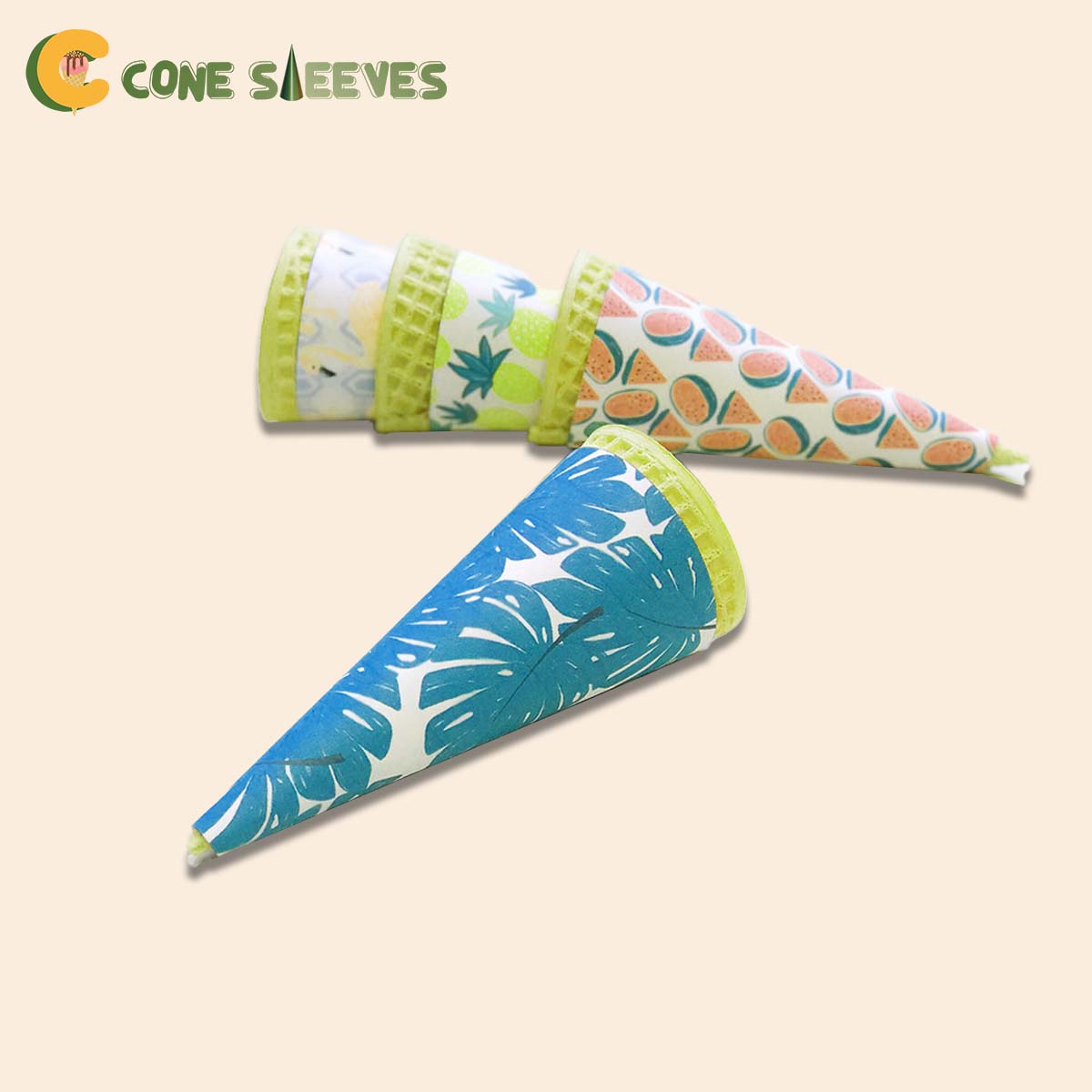
- Match your cones. Shops that serve both often use the same pattern on cups and cone sleeves so the counter looks like one brand. The current ice cream cone sleeve trends are a useful source of pattern ideas that carry over to cups.
Planning an ice cream cup order
- List your servings. Write down every size you sell in a cup, and how many of each you go through on a busy weekend.
- Decide which sizes need lids. Usually that is takeout pints and anything sent out for delivery.
- Prepare your artwork or send a logo and color ideas. Design help is free, and the step-by-step order form on this page lets you set size, finish and print area.
- Test a free sample in your freezer. Fill it, freeze it overnight and check the lid fit, the stiffness and the print the next day.
- Approve the proof. Turnaround is 4–6 business days after approval, with rush options if the weather turns early.
- Order ahead of the season. Ice cream is seasonal, so most shops place their big run in spring. The minimum is 100 cups and volume discounts make larger seasonal orders cheaper per cup. Shipping is free to the USA, Canada, the UK and Australia.
Shops that keep running out mid-summer often split orders: a large run of their best-selling single cup in spring and a smaller top-up order of our standard ice cream paper cups in July.
Who orders printed ice cream cups
Ice cream parlors and gelato shops are the obvious buyers, but they're not the only ones. Frozen yogurt bars use wider cups for toppings. Dessert cafes and creperies add a scoop cup to the menu as a side. Ice cream trucks and carts use small open cups for kids who can't manage a cone. Schools, summer camps and church fairs order a short run with the event name for a single afternoon. Restaurants that make their own ice cream use printed pint cups as a take-home product at the register, which turns a dessert into a retail item.
If you serve cones too, custom waffle cone sleeves in the same design give customers a consistent look whichever way they order. Shaved ice and snow cone stands are a related case, and many of them use cone-shaped or small paper cups from the wider cup range.



 Ice Cream Cone Sleeves
 Waffle Cone Sleeves
 Ice Cream Cone Wrappers
 Crepe Cone Packaging
 Sugar Cone Sleeves
 Custom Printed Coffee Sleeves
 Cake Cone Sleeves
 Cardboard Cone Sleeves
 Black Cone Sleeve
 Child Size Waffle Cone Sleeves
 Paper Cone Sleeves
 Small Cone Sleeves
 Eco-Friendly Cone Sleeves
 Aluminum Foil Cone Sleeves
 Two Color Cone Sleeves
 White Cone Sleeve
 Polka Cone Sleeves
 Abstract Cone Sleeves
 Rolled Cone Sleeves
 Chicken Cone Sleeves
 Custom Waffle Trays
 Ice Cream Cone Holder
 Paper Mache Cones
 Custom Bakery Trays
 Custom Cardboard Food Trays
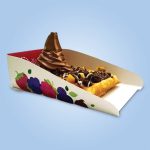 Custom Dessert Trays
 Custom Hot Dog Trays
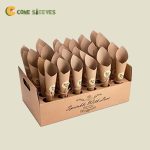 Ice Cream Cone Tray
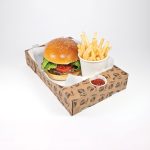 Custom Burger Trays
 Custom Combo Meal Trays
 Custom Fries Trays
 Custom Crepe Trays
 Burger Sleeves
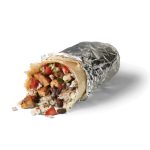 Custom Burrito Sleeves
 Custom Crepe Sleeves
 Custom Dessert Sleeves
 Custom Donut Sleeves
 Custom Tray And Sleeves
 Food Sleeves
 Chocolate Bar Sleeve Packaging
 Custom Bento Sleeves
 Custom Cupcake Sleeves
 Custom Die-Cut Sleeves
 Custom Hot Dog Sleeves
 Custom Cold Drink Sleeves