Think in sets: cup, lid, sleeve, holder
A café rarely buys just a cup. Every to-go coffee leaves the counter as a small kit: the cup, a lid that snaps on, often a sleeve so the customer can hold it, and sometimes a holder when the order is for the whole office. If any one piece doesn't fit, the customer notices. A lid that pops off in a car cup holder or a sleeve that slides down to the base does more harm to your brand than a plain cup would.
That is why this collection groups the pieces together. Choose your cup sizes first, then add lids, sleeves and holders that are made for those sizes, and print them from one set of artwork so the colors line up on the first proof.
The six products and what each one does
Cups for coffee and chocolate
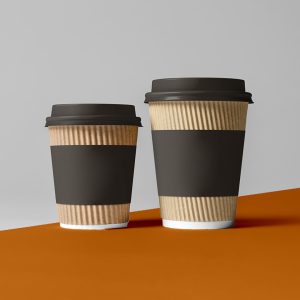
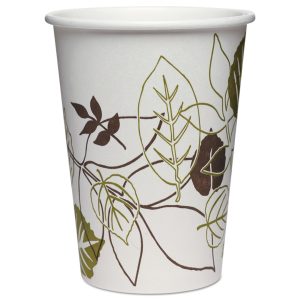
The custom paper coffee cup is the everyday white cup for espresso drinks, drip coffee and tea. Kraft paper coffee cups use brown board for a natural, roasted look that suits specialty roasters, farm stands and bakeries that lean rustic. Hot chocolate cups are the same family with a winter angle: they are often printed in deeper colors or a seasonal pattern and served at holiday markets, ski lodges and school events.
Lids
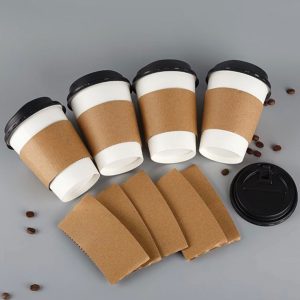
The paper coffee cup lids snap onto standard cups from 8 oz to 20 oz. They are paperboard with a moisture-resistant coating, which suits brands trying to move away from plastic tops. Lid fit is about the rim diameter, not the cup's volume, so always order lids against the exact cups you are buying.
Sleeves and holders
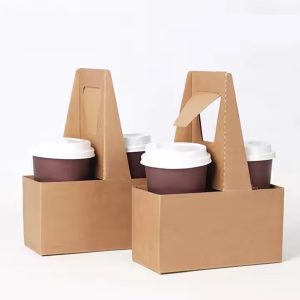
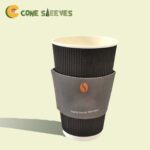
Sleeves wrap the middle of the cup, protect hands from heat and give you a second printed surface. Holders keep cups steady and also protect hands, and they fit standard sizes from 8 oz to 20 oz. Many cafés print the logo on the cup and use the sleeve for something that changes: a seasonal drink, a loyalty offer or a QR code.
Cup sizes and how cafés use them
| Size | Common drinks | Who orders it | Accessories to match |
|---|
| 8 oz | Cappuccino, flat white, kids' hot chocolate | Espresso bars, bakeries | 8 oz lid; sleeve optional |
| 12 oz | Latte, drip coffee, tea | Most coffee shops, offices | 12 oz lid and sleeve |
| 16 oz | Large latte, mocha, chai | Drive-thru and grab-and-go | 16 oz lid, sleeve, holder for group orders |
| 20 oz | Extra-large coffee, seasonal drinks | Gas stations, convenience stores, drive-thrus | 20 oz lid and sleeve |
In the US, a 12 oz cup is the usual medium, so if you only stock one size, start there. Two sizes, 12 oz and 16 oz, cover most cafés. If you need sizes outside this range for espresso shots or tasting flights, see the full range of cup sizes.
Single wall, double wall and sleeves
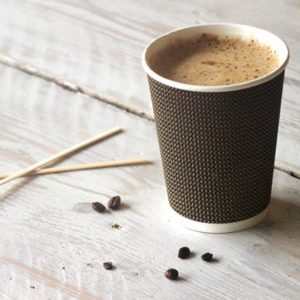
A single-wall cup is one layer of paperboard with a lining. It is lighter, cheaper per unit and fine for drinks that are handed over and sipped quickly, but it gets hot to hold. That's where a sleeve comes in. A double-wall cup has an outer layer with a small air gap, so the hand stays cooler without a sleeve, and the outer wall gives a smooth, full print area.
Which is better depends on how you serve. A busy espresso bar that wants a clean look and fewer pieces at the hand-off often goes double wall. A café that wants to change its message every few months keeps a single-wall cup with a fixed logo and prints new sleeves instead, which is a cheaper way to refresh. Our article on why cafés use coffee sleeves covers that trade-off in more detail.
Which setup suits which kind of coffee business
A neighborhood espresso bar with a few tables usually wants an 8 oz and a 12 oz cup, matching lids and a short run of sleeves, with the money going into a nice finish like matte with a spot UV logo. A drive-thru stand lives on 16 oz and 20 oz drinks, so it needs lids that stay put through a car window and holders for orders of four drinks. Bakeries and farm stands that sell coffee as a side item tend to do best with kraft cups, which match paper bags and boxes on the same counter.
Offices and catering companies are different again. Their cups sit on a coffee station for an hour, so a double-wall cup that needs no sleeve keeps the table tidy. Mobile coffee carts at weddings and corporate events often print the client's name or the event on the sleeve and keep a plain branded cup underneath, so leftover cups are still usable at the next booking.
Printing coffee cups well
- Mind the seam. Paper cups have a vertical glue line. Keep logos and text away from it, or let a pattern run across it.
- Leave the sleeve zone clear on single-wall cups. If you will use sleeves, the middle third of the cup gets covered. Put the logo higher, near the rim, where it shows with the sleeve on.
- Kraft changes your colors. Ink on brown board looks darker and less saturated. Bold, dark designs read best; pale pastels can disappear.
- Use PMS for brand colors. CMYK is fine for photos and illustrations, but a signature color matches better across cup, lid and sleeve when it is printed as a Pantone spot.
- Keep the lid simple. A lid has little room. An embossed or one-color logo is usually enough.
Use the step-by-step order form on this page to choose the cup, print and finish and attach your artwork with the quote request. Our designers will build the file for free if you send a logo and colors.
Ordering a matched coffee setup
- Pick your sizes. Look at your sales mix. Most shops need two or three sizes, not five.
- Choose wall type and finish. Single or double wall, white or kraft, gloss or matte.
- Add lids, sleeves and holders. Order them against the same cup sizes so the fit is right.
- Request free samples. Fill a cup with hot coffee, snap the lid on, tip it slightly and carry it around the block.
- Approve one proof for the whole set. Matching artwork across items keeps the color consistent.
- Production and delivery. Expect 4–6 business days after proof approval, with rush options. Shipping is free to the USA, Canada, the UK and Australia.
The minimum is 100 units per item and design, so a café can test a new sleeve or a hot chocolate cup without overcommitting. Volume discounts apply as quantities grow. For anything you are unsure about, call (503) 358-0443.
Materials and disposal
Cups, lids and sleeves are made from FDA-compliant food-contact materials. Recyclable and biodegradable options are available, and we print with soy- or vegetable-based inks on request. If you want customers to know about it, a short line printed on the sleeve or near the base of the cup is enough; there's no need to fill the whole design with it.



 Ice Cream Cone Sleeves
 Waffle Cone Sleeves
 Ice Cream Cone Wrappers
 Crepe Cone Packaging
 Sugar Cone Sleeves
 Custom Printed Coffee Sleeves
 Cake Cone Sleeves
 Cardboard Cone Sleeves
 Black Cone Sleeve
 Child Size Waffle Cone Sleeves
 Paper Cone Sleeves
 Small Cone Sleeves
 Eco-Friendly Cone Sleeves
 Aluminum Foil Cone Sleeves
 Two Color Cone Sleeves
 White Cone Sleeve
 Polka Cone Sleeves
 Abstract Cone Sleeves
 Rolled Cone Sleeves
 Chicken Cone Sleeves
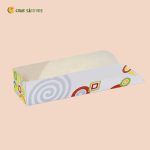 Custom Waffle Trays
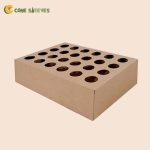 Ice Cream Cone Holder
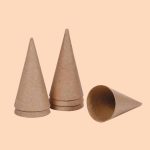 Paper Mache Cones
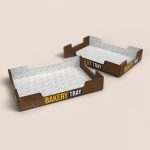 Custom Bakery Trays
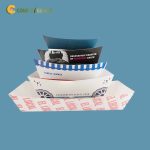 Custom Cardboard Food Trays
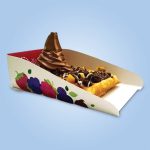 Custom Dessert Trays
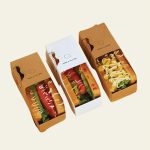 Custom Hot Dog Trays
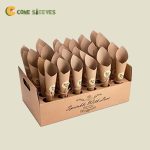 Ice Cream Cone Tray
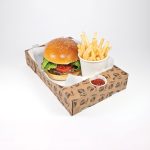 Custom Burger Trays
 Custom Combo Meal Trays
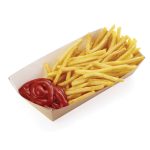 Custom Fries Trays
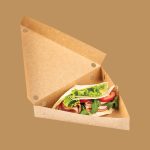 Custom Crepe Trays
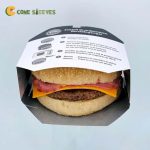 Burger Sleeves
 Custom Burrito Sleeves
 Custom Crepe Sleeves
 Custom Dessert Sleeves
 Custom Donut Sleeves
 Custom Tray And Sleeves
 Food Sleeves
 Chocolate Bar Sleeve Packaging
 Custom Bento Sleeves
 Custom Cupcake Sleeves
 Custom Die-Cut Sleeves
 Custom Hot Dog Sleeves
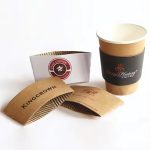 Custom Cold Drink Sleeves