


 Ice Cream Cone Sleeves
 Waffle Cone Sleeves
 Ice Cream Cone Wrappers
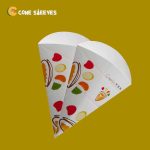 Crepe Cone Packaging
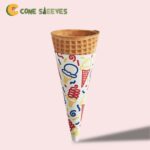 Sugar Cone Sleeves
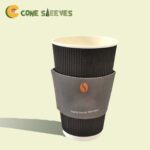 Custom Printed Coffee Sleeves
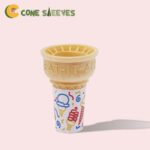 Cake Cone Sleeves
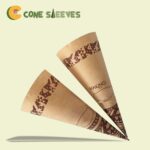 Cardboard Cone Sleeves
 Black Cone Sleeve
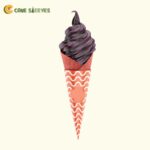 Child Size Waffle Cone Sleeves
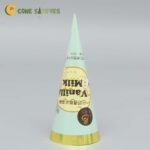 Paper Cone Sleeves
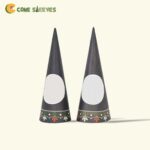 Small Cone Sleeves
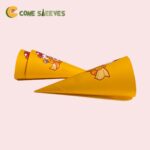 Eco-Friendly Cone Sleeves
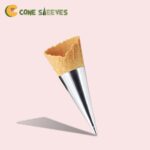 Aluminum Foil Cone Sleeves
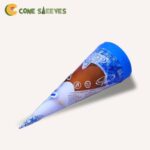 Two Color Cone Sleeves
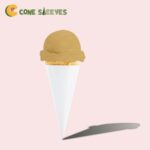 White Cone Sleeve
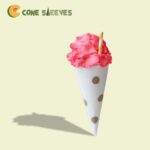 Polka Cone Sleeves
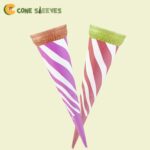 Abstract Cone Sleeves
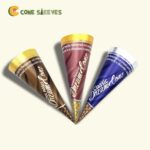 Rolled Cone Sleeves
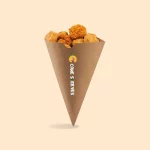 Chicken Cone Sleeves
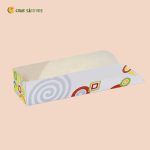 Custom Waffle Trays
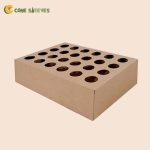 Ice Cream Cone Holder
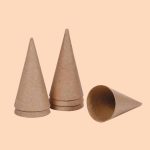 Paper Mache Cones
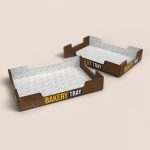 Custom Bakery Trays
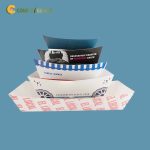 Custom Cardboard Food Trays
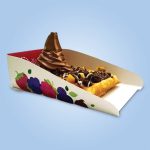 Custom Dessert Trays
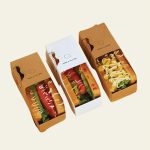 Custom Hot Dog Trays
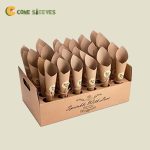 Ice Cream Cone Tray
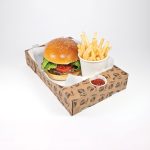 Custom Burger Trays
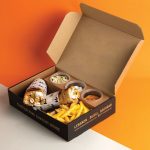 Custom Combo Meal Trays
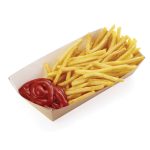 Custom Fries Trays
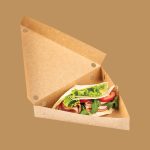 Custom Crepe Trays
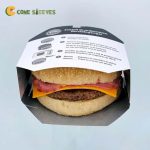 Burger Sleeves
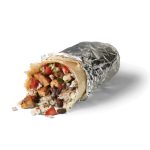 Custom Burrito Sleeves
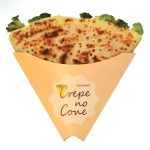 Custom Crepe Sleeves
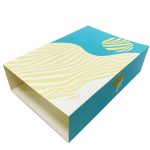 Custom Dessert Sleeves
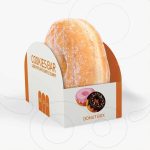 Custom Donut Sleeves
 Custom Tray And Sleeves
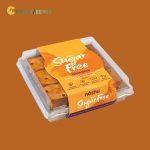 Food Sleeves
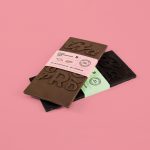 Chocolate Bar Sleeve Packaging
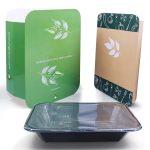 Custom Bento Sleeves
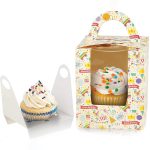 Custom Cupcake Sleeves
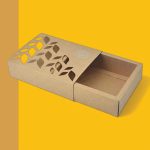 Custom Die-Cut Sleeves
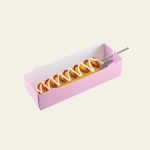 Custom Hot Dog Sleeves
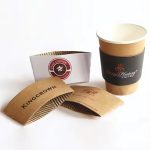 Custom Cold Drink Sleeves


A Cup Shape Built for Food You Eat With a Spoon or Fork
A bowl paper cup sits between a drinking cup and a takeout box. It is wider than it is tall, so a fork can reach the bottom and a ladle can fill it without splashing the rim. That shape is the reason poke shops, ramen counters, acai bars and frozen yogurt stores reach for it. Food sits low and spread out, toppings stay on top where the customer can see them, and the bowl does not tip when someone sets it on a park bench.
Think about what goes in it first. A rice bowl with chicken, pickled vegetables and sauce needs a flat, stable base and enough width for three or four components to sit side by side. Noodles in broth need depth and a lid that holds steam without letting it drip back down the sides. A scoop of gelato with a wafer needs a shallow bowl so the garnish shows over the rim. One shape rarely does all three well, which is why we make bowls in standard, deep and shallow profiles.
If your menu is mostly brothy soups, chili or stew sold by the cup and the pint, take a look at our soup paper cups with vented lids. Those are taller and narrower, which keeps liquid hotter for longer and fits a delivery bag better. Bowls win when the food is chunky, layered or meant to be eaten on the spot.
Picking the Size, Profile and Board
Bowls are made to order from 8 oz to 32 oz, and custom sizes are available if you already have a portion you want to match. Use the table below as a starting point, then ask for a sample of the two sizes you are torn between. Filling a real bowl with your real recipe settles the question faster than any chart.
| Capacity | Profile that usually fits | Typical menu use |
|---|---|---|
| 8 oz | Shallow | Side of mac and cheese, a single scoop of ice cream, fruit cup, kids' portion |
| 12 oz | Standard | Acai or smoothie bowl, frozen yogurt with toppings, side salad |
| 16 oz | Standard or deep | Rice bowl, burrito bowl, pasta, lunch-size noodles |
| 24 oz | Deep | Ramen or pho with broth, grain bowl with several toppings |
| 32 oz | Deep | Family side, large salad, shareable portions at events |
For the board itself, white SBS gives the cleanest print surface and the brightest colors. Brown kraft looks natural and hides small scuffs from stacking, which suits farm-to-table menus and salad concepts. Single wall bowls are fine for cold food and for warm food eaten within a few minutes. Choose double wall when the bowl holds hot broth or fresh rice and the customer will carry it, because the outer layer keeps fingers comfortable.
The inside coating matters more on a bowl than on a cup. Rice, dressing and chili oil sit against the wall for the whole meal, so a PE or PLA lining keeps grease and moisture from soaking through. Ask for the PLA lining if you want the biodegradable route and your local waste stream accepts it.
Printing on a Wide, Short Surface
A bowl gives you a short, wide band to print on instead of the tall panel you get on a coffee cup. That changes how a design should be laid out:
- Run your logo horizontally. A stacked logo shrinks to fit the height and becomes hard to read from across a counter.
- Repeat the mark two or three times around the band so it shows no matter which way the bowl is set down.
- Keep fine text off the bottom third, where the wall curves in toward the base and type looks distorted.
- Inside printing is an option. A pattern or short message on the inner wall shows up as the customer finishes their food, which works well for dessert and kids' bowls.
- Bright colors read well on white SBS. On kraft, choose one or two deep colors like black, navy or forest green, since pastels get muddy on brown board.
CMYK suits photo-style artwork and multicolor patterns. PMS (Pantone) matching is the better pick when your brand color has to look identical on bowls, bags and signage. Gloss makes colors pop under bright counter lights, matte gives a calmer, upscale look, and spot UV lets you pick out a logo or a single graphic with shine against a matte background.
Day-to-Day Use on the Line and at Events
Bowls ship flat-packed or pre-formed. Pre-formed bowls nest in sleeves and go straight to the line, so they suit busy lunch services. Flat-packed bowls take far less storage room, which helps a food truck or a pop-up with a tight back area. Keep either kind off the floor and away from the dish pit, since damp board loses its shape.
Lids are where most bowl orders go wrong. Match the lid to the food: a flat paper lid for cold salads and stacking in a delivery bag, a vented lid for anything steaming, and a clear dome for desserts and acai bowls where the toppings sell the item. Order lids and bowls together so the rim and lid diameter are made to fit.
For catering and festivals, nest filled bowls in a carrier or tray so runners can move six or eight at a time. A guide to choosing food tray types walks through the common carrier and tray styles if you need one.
How to Order Custom Bowl Paper Cups
- Decide on the capacity and profile for each menu item, and note whether the food is served hot, cold or both.
- Send your logo as an AI, EPS or PDF file, plus any brand colors as Pantone numbers if you have them.
- Tell us the quantity per size. The minimum is 100 units, and larger runs get volume discounts.
- Pick lids, wall type and coating, or ask our designers to recommend a setup at no charge.
- Review the digital proof. Production takes 4 to 6 business days after you approve it, with rush options when you need them sooner.
Shipping is free to the USA, Canada, the UK and Australia. If you are building out a full takeout range, you can see every shape in our food paper cups collection and order matching designs in one go.

Reviews
There are no reviews yet.