



 Ice Cream Cone Sleeves
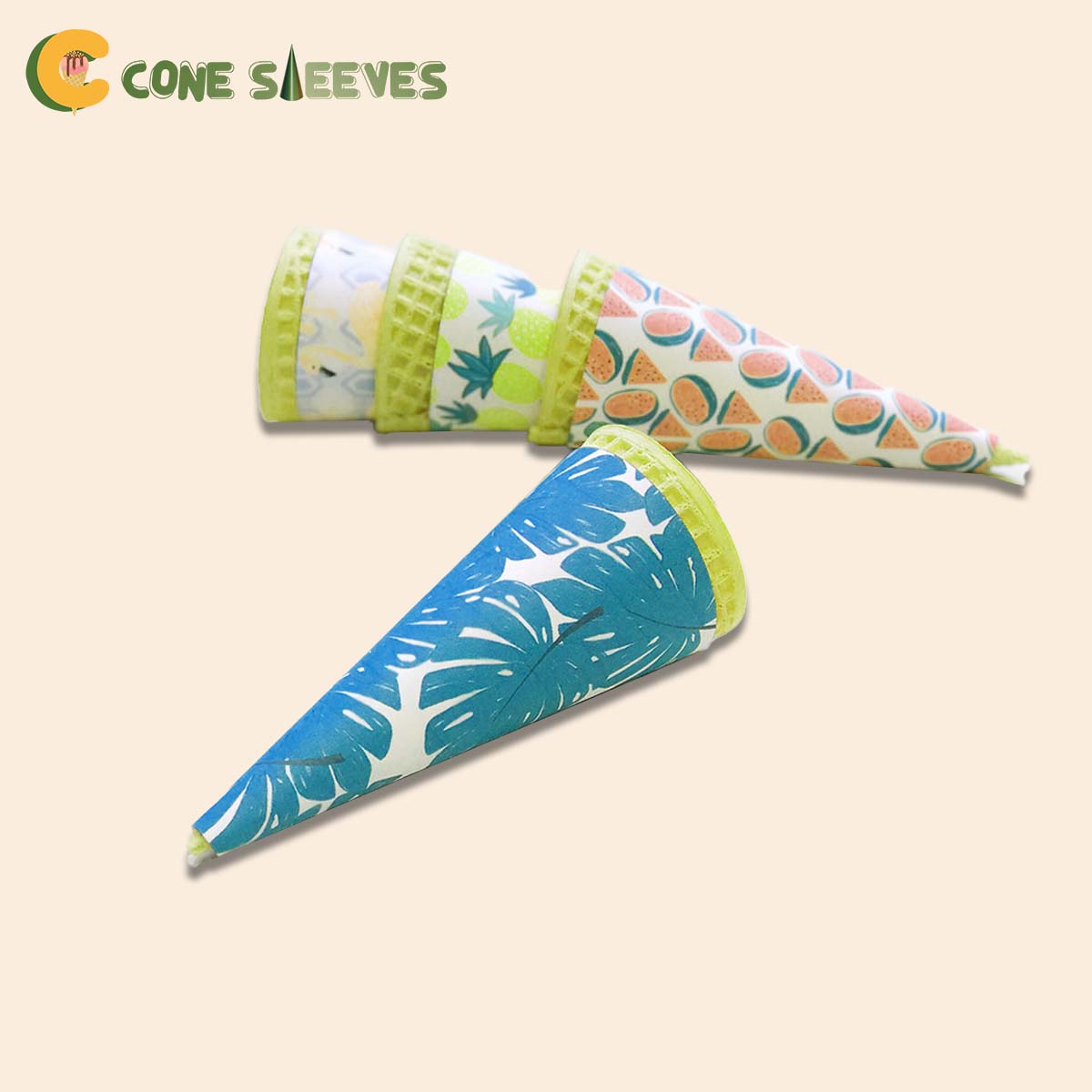
 Waffle Cone Sleeves
 Ice Cream Cone Wrappers
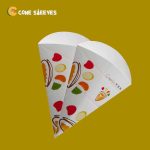 Crepe Cone Packaging
 Sugar Cone Sleeves
 Custom Printed Coffee Sleeves
 Cake Cone Sleeves
 Cardboard Cone Sleeves
 Black Cone Sleeve
 Child Size Waffle Cone Sleeves
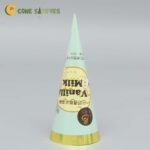 Paper Cone Sleeves
 Small Cone Sleeves
 Eco-Friendly Cone Sleeves
 Aluminum Foil Cone Sleeves
 Two Color Cone Sleeves
 White Cone Sleeve
 Polka Cone Sleeves
 Abstract Cone Sleeves
 Rolled Cone Sleeves
 Chicken Cone Sleeves
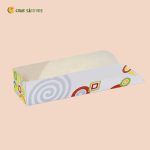 Custom Waffle Trays
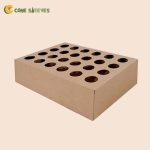 Ice Cream Cone Holder
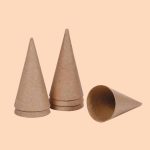 Paper Mache Cones
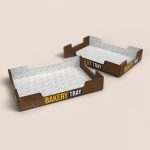 Custom Bakery Trays
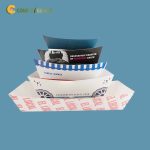 Custom Cardboard Food Trays
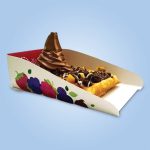 Custom Dessert Trays
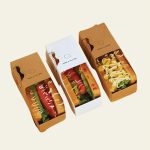 Custom Hot Dog Trays
 Ice Cream Cone Tray
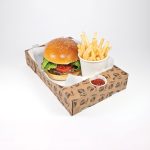 Custom Burger Trays
 Custom Combo Meal Trays
 Custom Fries Trays
 Custom Crepe Trays
 Burger Sleeves
 Custom Burrito Sleeves
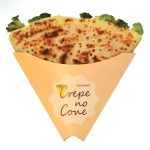 Custom Crepe Sleeves
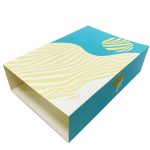 Custom Dessert Sleeves
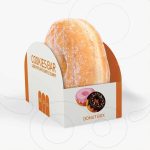 Custom Donut Sleeves
 Custom Tray And Sleeves
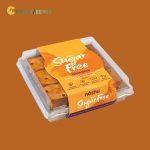 Food Sleeves
 Chocolate Bar Sleeve Packaging
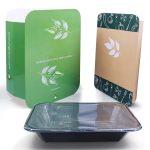 Custom Bento Sleeves
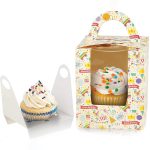 Custom Cupcake Sleeves
 Custom Die-Cut Sleeves
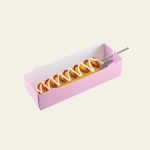 Custom Hot Dog Sleeves
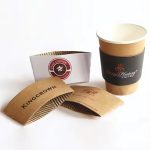 Custom Cold Drink Sleeves


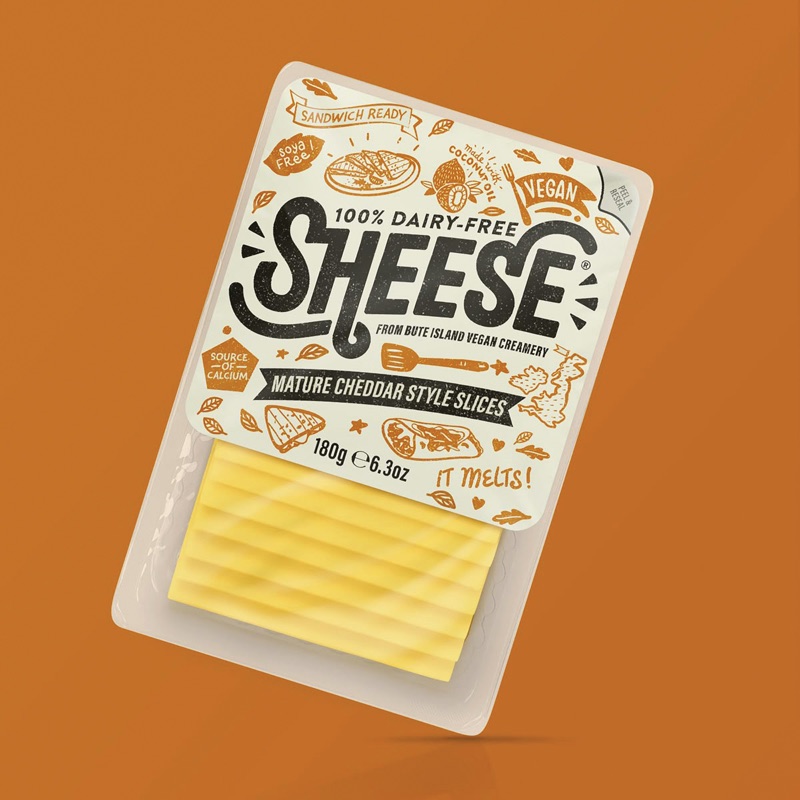



Cheese Packaging That Works From Cave to Fridge Door
Cheese is alive in a way most packaged food is not. A wedge of aged cheddar sweats when it warms up, a soft bloomy rind wants to breathe, and shredded mozzarella clumps the moment moisture gets into the bag. Custom cheese packaging bags have to deal with all of that while still carrying your name, your milk type, your aging time and the "best by" date a shopper looks for first.
The buyers for these bags range widely. Small farmstead creameries sell at weekend markets and need a bag that looks handmade but closes properly. Specialty cheese shops cut to order and want a branded bag for the wedge they just wrapped. Pizza shops buy shredded cheese in bulk and resell some of it. Delis bag sliced provolone and Swiss by the half pound, and online sellers ship curds, cubes and gift assortments to customers who expect the bag to match the price.
Picking a Material for the Cheese You Make
This product is offered in several builds, and the choice depends on how wet, how oily and how long-lived your cheese is. Paper on its own suits a wedge that is already wrapped in cheese paper or film and only needs an outer bag for carrying. For cheese that goes straight into the bag and sits in a refrigerated case, a laminated or film-lined bag is the practical option. We list the materials below; tell us your cheese and storage, and we will recommend a build rather than leave you to guess.
| Bag build | Where it fits | Closure that pairs well |
|---|---|---|
| Food-grade kraft paper | Outer carry bag for wrapped wedges at a cheese counter | Fold-over top with a sticker |
| Kraft laminated film | Market cheese with a handmade look and an inner film | Zip lock or resealable strip |
| Barrier film | Shredded, sliced or cubed cheese in a dairy case | Heat seal with a tear notch |
| Foil-lined film | Strong-smelling or long-aged cheese sold as gifts | Heat seal, then slider seal for reuse |
| Multi-layer pouch | Vacuum-packed blocks and portions for shipping | Vacuum seal |
All food-contact materials meet FDA requirements. If recyclable or biodegradable packaging matters to your customers, say so at the quote stage, as it narrows which builds suit your cheese.
Labeling and Print on a Cheese Bag
A cheese bag carries more information than most food bags. Shoppers want the cheese name, the milk (cow, goat, sheep), whether it is raw or pasteurized, the age, the weight and a date. Plan for that on day one. Put brand and cheese name on the front in large type, and leave a clean panel on the back for a weight-and-date label printed in-store. That way one printed bag serves several cheeses and batches.
- Use a matte finish on a bag that sits under bright dairy-case lights; gloss reflects and hides the label.
- Pick a window if your cheese has a beautiful rind or marbling; a die-cut or PVC window shows it without opening the bag.
- Print allergen and milk information in solid black, not a pale brand color, so it is readable at arm's length.
- Choose PMS (Pantone) colors for a creamery brand that appears on cups, signs and bags, so every piece matches.
- Keep a soft-touch or matte gloss finish for gift bags sold over the holidays.
If you also wrap wedges at the counter, consider pairing the bag with custom printed cheese wrapping paper. The paper goes directly around the cut face, and the bag carries the brand and the label on the outside.
Handling Bags in a Cold Room and at Market
Condensation is the main enemy. When a cold block comes out of a walk-in and is bagged in a warm room, water forms on the surface and can loosen a paper label or smudge a hand-written date. Bag cheese in the cold room when you can, wipe blocks dry, and apply stickers before the bag goes back into the case. Store unused bags at room temperature, away from the brine tank and the washing area.
At markets, a cooler is a must, and a printed bag that sits in a cooler all day should be film-lined so it doesn't soften. Arrange filled bags label-out in a shallow tray so customers can read the cheese name without lifting each one. For a deli selling cold cuts alongside cheese, matching custom meat packaging bags keep the counter looking like one shop rather than two suppliers.
Steps to Order Printed Cheese Bags
- List the cheeses you will pack, their usual weights and whether they are shredded, sliced, cubed or whole.
- Tell us how they are stored: dairy case, cooler box, shipped by mail or carried home the same day.
- Choose a closure from the table above, or ask us to suggest one.
- Send your logo in vector form and the label wording you want printed permanently.
- Request a free sample and test it with your own cheese in your own fridge.
- Approve the proof; production takes 4 to 6 business days after approval.
The minimum is 100 bags, a sensible size for a creamery trying a new aged line, and larger runs get volume pricing. Free design help, free samples and free shipping to the USA, Canada, the UK and Australia are included. When you are ready, send your details through our free packaging quote form.



Reviews
There are no reviews yet.