



 Ice Cream Cone Sleeves
 Waffle Cone Sleeves
 Ice Cream Cone Wrappers
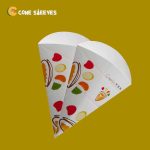 Crepe Cone Packaging
 Sugar Cone Sleeves
 Custom Printed Coffee Sleeves
 Cake Cone Sleeves
 Cardboard Cone Sleeves
 Black Cone Sleeve
 Child Size Waffle Cone Sleeves
 Paper Cone Sleeves
 Small Cone Sleeves
 Eco-Friendly Cone Sleeves
 Aluminum Foil Cone Sleeves
 Two Color Cone Sleeves
 White Cone Sleeve
 Polka Cone Sleeves
 Abstract Cone Sleeves
 Rolled Cone Sleeves
 Chicken Cone Sleeves
 Custom Waffle Trays
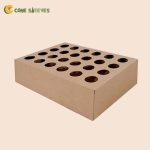 Ice Cream Cone Holder
 Paper Mache Cones
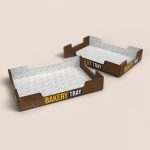 Custom Bakery Trays
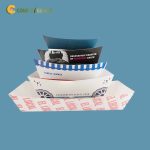 Custom Cardboard Food Trays
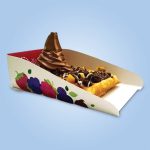 Custom Dessert Trays
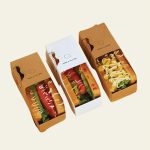 Custom Hot Dog Trays
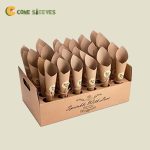 Ice Cream Cone Tray
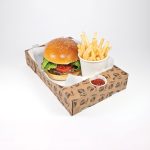 Custom Burger Trays
 Custom Combo Meal Trays
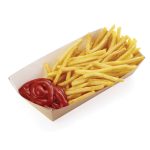 Custom Fries Trays
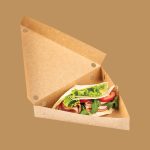 Custom Crepe Trays
 Burger Sleeves
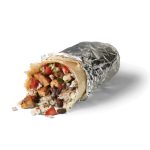 Custom Burrito Sleeves
 Custom Crepe Sleeves
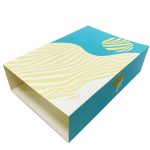 Custom Dessert Sleeves
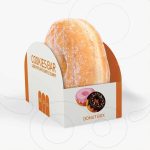 Custom Donut Sleeves
 Custom Tray And Sleeves
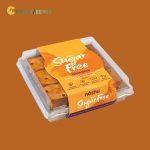 Food Sleeves
 Chocolate Bar Sleeve Packaging
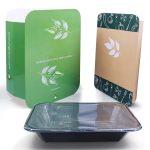 Custom Bento Sleeves
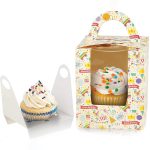 Custom Cupcake Sleeves
 Custom Die-Cut Sleeves
 Custom Hot Dog Sleeves
 Custom Cold Drink Sleeves


Where a Paper Meat Bag Fits in the Shop
Meat packaging has layers. Raw steaks, chops and ground beef are wrapped first, in butcher paper, freezer paper or a sealed film, because they are wet and need a tight wrap against the meat. The bag comes after that. Custom meat packaging bags are the printed outer layer: the bag a butcher hands across the counter with three wrapped parcels inside, the bag a deli fills with sliced turkey and salami, the bag a smokehouse uses for sausages and bacon sold at a market.
That outer layer matters more than people expect. Meat is often a planned purchase from a shop people return to every week, and a printed bag with your name, your farm or your cuts makes your shop the one they remember. It also keeps several wrapped packages together in a neat bundle instead of loose parcels sliding around a shopping cart.
The buyers include independent butcher shops, meat markets, delis and charcuterie counters, ranches and farms selling direct, sausage makers, barbecue restaurants selling smoked meat by the pound, and specialty grocers with a meat counter. Some meal-kit and farm-box companies use them for the meat portion of a weekly delivery.
Paper Choices and How to Pack Them
This product is paper, in kraft or white stock, so it is not meant to touch raw, wet meat directly. Wrap first, then bag. Cured and smoked products such as summer sausage, jerky sticks and whole salami can often go straight into the bag, as can deli meats already wrapped in paper. All food-contact papers meet FDA requirements.
| Product | Inner wrap | Outer bag choice |
|---|---|---|
| Fresh steaks, chops, roasts | Butcher or freezer paper | Thick kraft bag, square base |
| Ground meat and sausage links | Film or freezer paper, then tape | Medium kraft bag |
| Sliced deli meats | Deli paper | White bag with your counter branding |
| Smoked and cured sausages | Often none needed | Kraft bag with a window |
| Barbecue sold by the pound | Butcher paper | Thick kraft, wrapped tight before bagging |
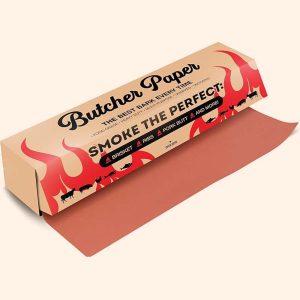
For a counter that cuts to order, the inner wrap is where most of the protection comes from. Custom printed butcher paper rolls carry your logo on the parcel itself, and the bag carries it on the outside. If customers will freeze the meat at home, freezer paper is the better inner wrap.
Print and Label Layout for Meat
A meat bag doesn't need to list every cut; the wrapped parcels carry their own labels. Use the bag for the shop name, your sourcing story and a short message, such as where the beef is raised or how long you have been in business. Butchers who sell from a farm often print the farm name and a simple illustration of the animal or the landscape.
- Deep red, black and dark green print strongly on kraft and suit butcher shops.
- Print a safe-handling reminder on the side; a short line about refrigerating promptly is useful.
- A window works for smoked sausages and charcuterie, not for wrapped fresh cuts.
- Matte finishes look right with kraft and stay readable under counter lights.
- Keep the back plain if you plan to stamp or sticker weights and dates there.
Barbecue restaurants selling brisket, pulled pork and ribs by the pound have a slightly different routine. The meat is wrapped hot in butcher paper and needs to stay warm until the customer gets home, so the bag should be roomy enough that the parcel sits flat and isn't squeezed, and the top should fold rather than seal. A thick kraft bag with a bold logo looks right at a smokehouse counter, and it hides the odd mark from the juices that seep through the wrap.
Handling in a Cold Shop
Meat counters are cold and sometimes wet. Keep bag stock away from the cutting area, the sink and the walk-in door, where condensation can soften paper. Bag meat at the register rather than at the block, so the bag stays clean and dry. If wrapped parcels are cold and wet on the outside, pat them dry with a paper towel before they go in.
When a customer buys a lot, split heavy roasts and ground meat across two bags instead of overfilling one. For markets, keep bagged meat in a cooler and hand it over just before the customer leaves. Delis that sell cheese next to their cold cuts can match the look with custom printed cheese packaging bags from the same artwork.
Ordering Meat Packaging Bags
- Count how many orders leave your counter each week and how many parcels a typical order holds.
- Choose one or two bag sizes in kraft or white paper.
- Decide on your inner wrap if you don't already have one.
- Send your logo, any farm or sourcing details and your preferred colors.
- Request a free sample and pack a real weekend order in it.
- Approve the proof; production takes 4 to 6 business days after approval.
Orders start at 100 bags per design with volume discounts on larger quantities, so a new butcher shop can start small. Design help and shipping to the USA, Canada, the UK and Australia are free. Send your sizes and artwork through our free meat bag quote request.




Reviews
There are no reviews yet.