


 Ice Cream Cone Sleeves
 Waffle Cone Sleeves
 Ice Cream Cone Wrappers
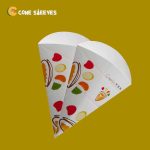 Crepe Cone Packaging
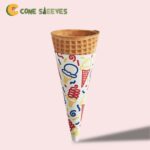 Sugar Cone Sleeves
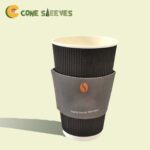 Custom Printed Coffee Sleeves
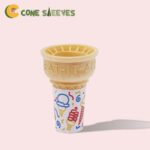 Cake Cone Sleeves
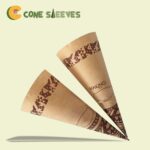 Cardboard Cone Sleeves
 Black Cone Sleeve
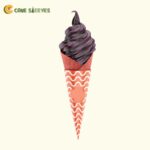 Child Size Waffle Cone Sleeves
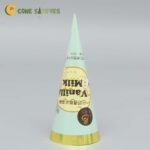 Paper Cone Sleeves
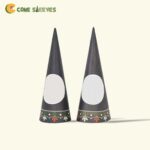 Small Cone Sleeves
 Eco-Friendly Cone Sleeves
 Aluminum Foil Cone Sleeves
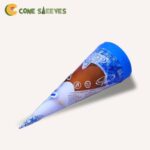 Two Color Cone Sleeves
 White Cone Sleeve
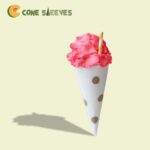 Polka Cone Sleeves
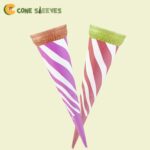 Abstract Cone Sleeves
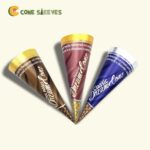 Rolled Cone Sleeves
 Chicken Cone Sleeves
 Custom Waffle Trays
 Ice Cream Cone Holder
 Paper Mache Cones
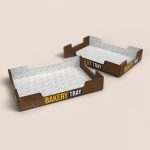 Custom Bakery Trays
 Custom Cardboard Food Trays
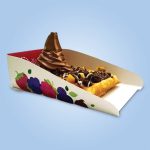 Custom Dessert Trays
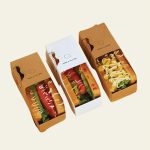 Custom Hot Dog Trays
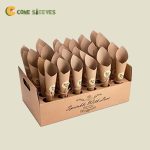 Ice Cream Cone Tray
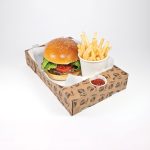 Custom Burger Trays
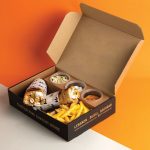 Custom Combo Meal Trays
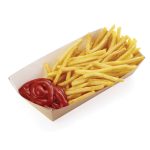 Custom Fries Trays
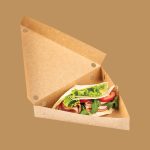 Custom Crepe Trays
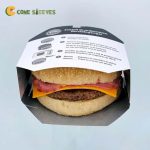 Burger Sleeves
 Custom Burrito Sleeves
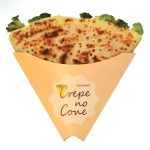 Custom Crepe Sleeves
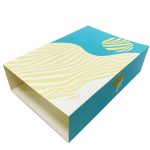 Custom Dessert Sleeves
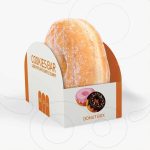 Custom Donut Sleeves
 Custom Tray And Sleeves
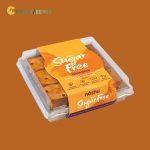 Food Sleeves
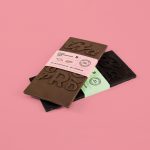 Chocolate Bar Sleeve Packaging
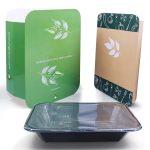 Custom Bento Sleeves
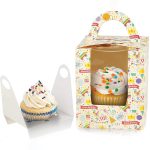 Custom Cupcake Sleeves
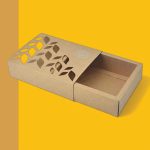 Custom Die-Cut Sleeves
 Custom Hot Dog Sleeves
 Custom Cold Drink Sleeves


Green Cups and the Brands That Suit Them
Green is the color people connect with plants, freshness and health, so it shows up first on the menus that sell those ideas: cold-pressed juice bars, matcha cafes, salad chains, smoothie counters at gyms, garden centers with a coffee kiosk, and organic grocers with a hot bar. It also has a strong second life in sport and seasonal events. Golf clubhouses, soccer clubs with green kits, college game days and St. Patrick's Day pub nights all run through green cups by the case.
The shade does most of the talking. A bright lime says energy and fruit. Sage and eucalyptus feel calm and grown-up, which suits tea rooms and spa cafes. Forest and bottle green look traditional, the kind of tone you find on an old pub sign or a country club scorecard. Mint reads as fresh and a little playful, a good fit for ice cream parlors and frozen yogurt bars. Picking the shade carefully matters more than adding extra graphics.
Matching the Shade to Your Business
| Shade | Feel | Typical buyers |
|---|---|---|
| Lime and apple green | Energetic, fruity, loud | Smoothie bars, sports drinks, summer festivals |
| Sage and eucalyptus | Calm, natural, modern | Matcha and tea cafes, yoga studios, wellness brands |
| Mint | Fresh, light, friendly | Ice cream, frozen yogurt, baby showers |
| Kelly and shamrock green | Bold, celebratory | St. Patrick's Day bars, team events, school spirit nights |
| Forest and bottle green | Classic, established, quiet | Golf clubs, hotel bars, heritage brands |
If the shade you want comes from your existing logo, send the Pantone number. Greens shift more than most colors between screens and printed board, and a PMS match keeps the cup from looking slightly too yellow or too blue next to your signs.
Getting Logos and Text to Read on Green
Green is a middle-value color, so contrast is the main design question. White ink is the strongest choice on medium and dark greens, and it gives that crisp, clean look you see on many coffee chains. On pale greens like mint, a dark green or charcoal logo reads better than white, which can almost disappear. Avoid printing red text on green unless it is large and bold; the two colors vibrate against each other and are hard to read for anyone with red-green color blindness.
Gold foil on forest green looks classic and suits golf clubs and holiday menus. Silver foil on sage feels modern and cool. A small leaf or herb icon printed in a slightly darker green than the cup gives texture without crowding the logo.
One honest note: a green cup is not automatically an eco cup. Color and material are separate choices. If sustainability is part of your message, choose a recycled or kraft base, and look at our page on eco-friendly paper cups for cafes for the material side.
Green Cups on a Busy Day
- Smoothies and juices usually sit in 12 oz to 20 oz cups; matcha lattes run 8 oz to 16 oz.
- Green shows condensation less than white, so iced drinks still look clean after a while on the table.
- White lids look fresh on mint and lime; black or dark green lids suit forest green and sage.
- For St. Patrick's Day or a match day, order early. Those dates are fixed, and green cups are popular at the same time.
- If you also sell soups or grain bowls, our printed paper soup cups can run in the same shade for a matching lunch counter.
Sizes and Wall Builds
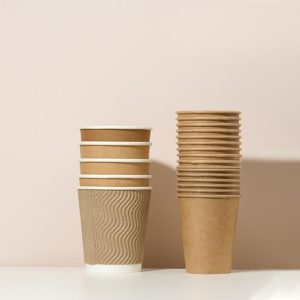
Green cups come from 4 oz up to 32 oz. Tasting cups at a juice bar or wellness fair are usually 2 oz to 4 oz, and they can carry a small logo or a single word. Coffee and matcha sit in 8 to 16 oz double-wall cups. For big smoothies and iced teas, 20 oz and 32 oz single-wall cups with a flat or dome lid are standard. Ripple wall adds grip and a ribbed texture that looks especially good in deeper greens.
Coatings matter more with darker shades. Matte green feels natural and soft but can show scuffs when cups rub in transit. Gloss hides scuffs and makes lime and kelly greens look brighter. Soft-touch suits premium tea brands.
Green Across a Whole Season or Event
Some buyers want green all year; others need it for a few weeks. A golf club might run forest green cups from spring to fall and switch to a plain cup in winter. A college bookstore cafe might print green and gold for football season only. A pub orders a short run of shamrock cups in late February and is done by March 18th. Because orders start at 100 units, a seasonal green cup does not tie you to a warehouse of stock.
If you run green cups for a sports team, ask about two-color designs with the team's second color as a band or stripe. Fans recognize team colors faster than logos, especially from across a stadium concourse. For a full game-day counter, our custom popcorn bags for concessions can carry the same green and the same crest.
Juice bars and smoothie shops can go the other way and run several greens at once: a pale one for cucumber and mint, a bright one for apple and kale, a deep one for wheatgrass shots. Staff know which drink is which at a glance, and the counter looks like a planned set.
How to Order Green Paper Cups
- Choose your shade by name or Pantone number, and say whether you want one green or several.
- Pick sizes and a wall type for each drink on your menu.
- Send your logo and note which parts should print in white, dark ink or foil.
- Check the digital proof and ask for a free sample to see the green in daylight.
- Approve the proof. Cups are produced in 4–6 business days, with rush options.
Orders begin at 100 cups, and unit prices fall with volume. Free design help comes standard, as does free shipping to the USA, Canada, UK and Australia.

Reviews
There are no reviews yet.